BNN Summary
The Trinamool Congress (TMC) faces a significant internal crisis following the high-profile resignation of veteran leader and founding member Sukhendu Ray from both the party and the Rajya Sabha. This defection signals deeper challenges within the TMC and brings into sharp focus the stability and leadership dynamics of the broader INDIA bloc, which recently urged the Congress to assume greater responsibility. The developments prompt speculation on whether Chief Minister Mamata Banerjee can effectively prevent further fragmentation of her party amidst these turbulent times.
In-Depth Analysis
The political landscape in India is witnessing significant upheaval, with the Trinamool Congress (TMC) at the epicenter of a burgeoning crisis that extends beyond mere defections and into the very fabric of opposition unity. In a substantial blow to the West Bengal-based party, veteran leader and founding member Sukhendu Ray tendered his resignation from both the TMC and his seat in the Rajya Sabha on June 8, 2026. This move, confirmed by 'The Indian Awaaz' in an update that day, marks a critical moment for the TMC, raising profound questions about its internal cohesion and future trajectory.
Sukhendu Ray's departure is not an isolated incident but rather a symptom of deeper organizational fissures within the Trinamool Congress. As a founding member, his exit carries symbolic weight, challenging the long-standing loyalty and ideological commitment within the party. His resignation from the Rajya Sabha simultaneously underscores a complete disassociation, indicating a significant breakdown in trust or alignment with the party's current direction. For a party that has largely been built around the charismatic leadership of Mamata Banerjee, such high-profile exits signal a potential erosion of its core strength and a challenge to its hierarchical structure.
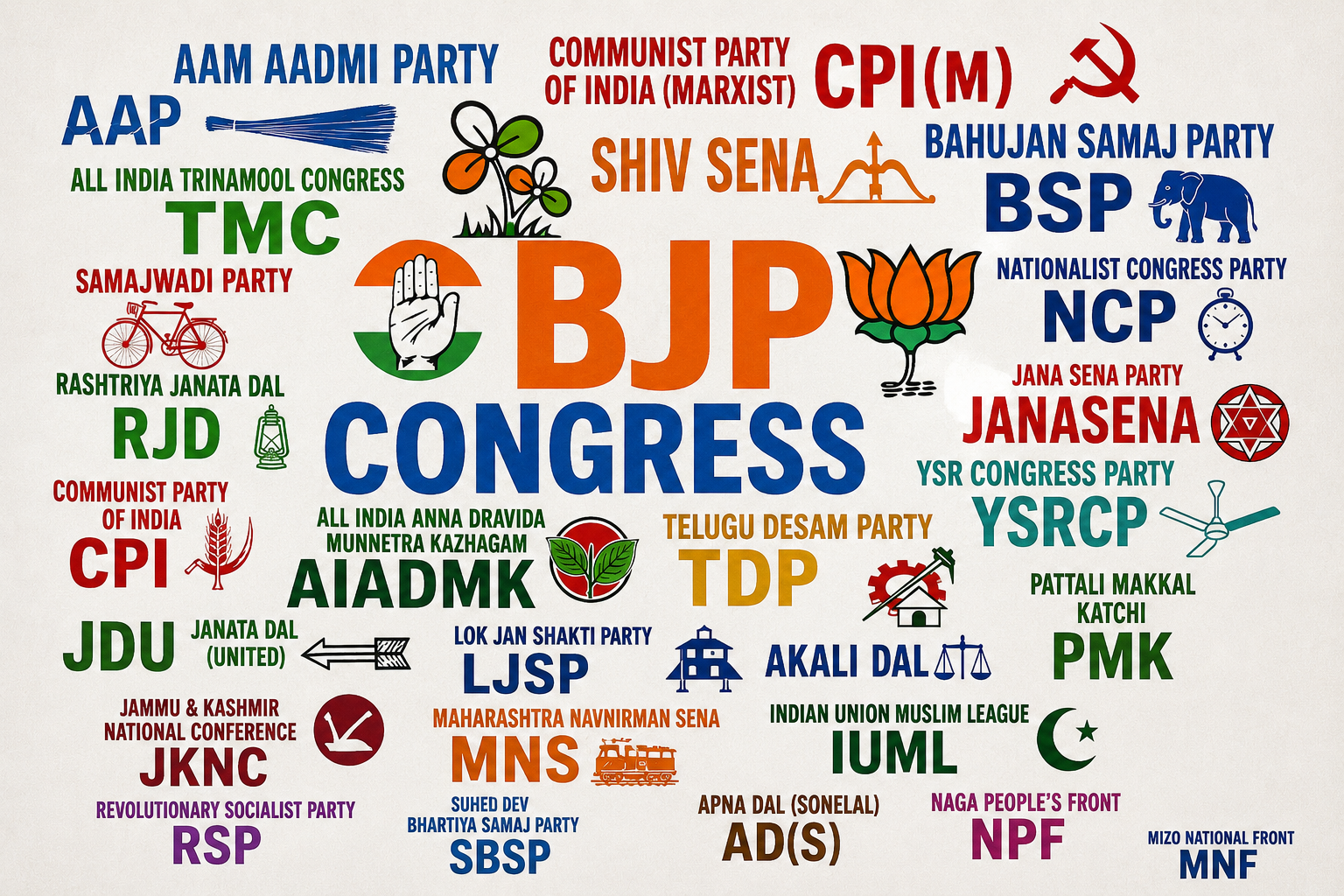
The timing of Ray's resignation is particularly poignant, unfolding amidst broader discussions about the future of the INDIA bloc, a coalition of 25 opposition parties formed to counter the dominant Bharatiya Janata Party (BJP). Just hours after news of Ray's defection, the INDIA bloc convened a crucial meeting on June 8, 2026, where alliance partners reportedly pressed the Congress to assume greater responsibility in steering the coalition. This demand highlights an underlying tension within the bloc regarding leadership and strategy, and the internal turmoil within a key constituent like the TMC could potentially destabilize the alliance further. A weakened TMC, grappling with internal dissent and fragmentation, might struggle to maintain its promised contribution to the INDIA bloc, particularly in a politically crucial state like West Bengal.
The central question now revolves around Chief Minister Mamata Banerjee's ability to 'reinvent' the TMC and prevent its further 'fragmentation,' as suggested by analysts Aafreen Hussain and Andalib Akhter. Banerjee, known for her formidable political acumen and ability to rally grassroots support, faces the daunting task of reasserting control and addressing the grievances that may be prompting these defections. The challenge is multi-faceted: it involves not only stemming the immediate tide of departures but also reinvigorating party morale, clarifying its ideological stance, and ensuring a robust strategy for upcoming electoral battles. Failure to do so could see the TMC's influence wane, not just in West Bengal but also as a significant player in national opposition politics.
The crisis within the TMC, therefore, transcends its state-specific implications, offering critical insights into the broader dynamics of Indian politics. It underscores the perpetual struggle for unity among opposition parties, the delicate balance of power within alliances, and the constant pressure on regional leaders to maintain control amidst shifting political loyalties. As the INDIA bloc seeks to solidify its position and define its leadership, the internal health of its constituent parties, particularly those like the TMC with significant regional clout, becomes paramount. The events surrounding Sukhendu Ray's exit serve as a stark reminder that the path to opposition unity is fraught with internal challenges, and the ability of leaders like Mamata Banerjee to navigate these turbulent waters will ultimately determine the resilience and effectiveness of the anti-establishment front in India.
How do you feel about this story?
Discussion
No comments yet. Be the first to share your thoughts.
Join the discussion
Sign in to share your thoughts on this story.