BNN Summary
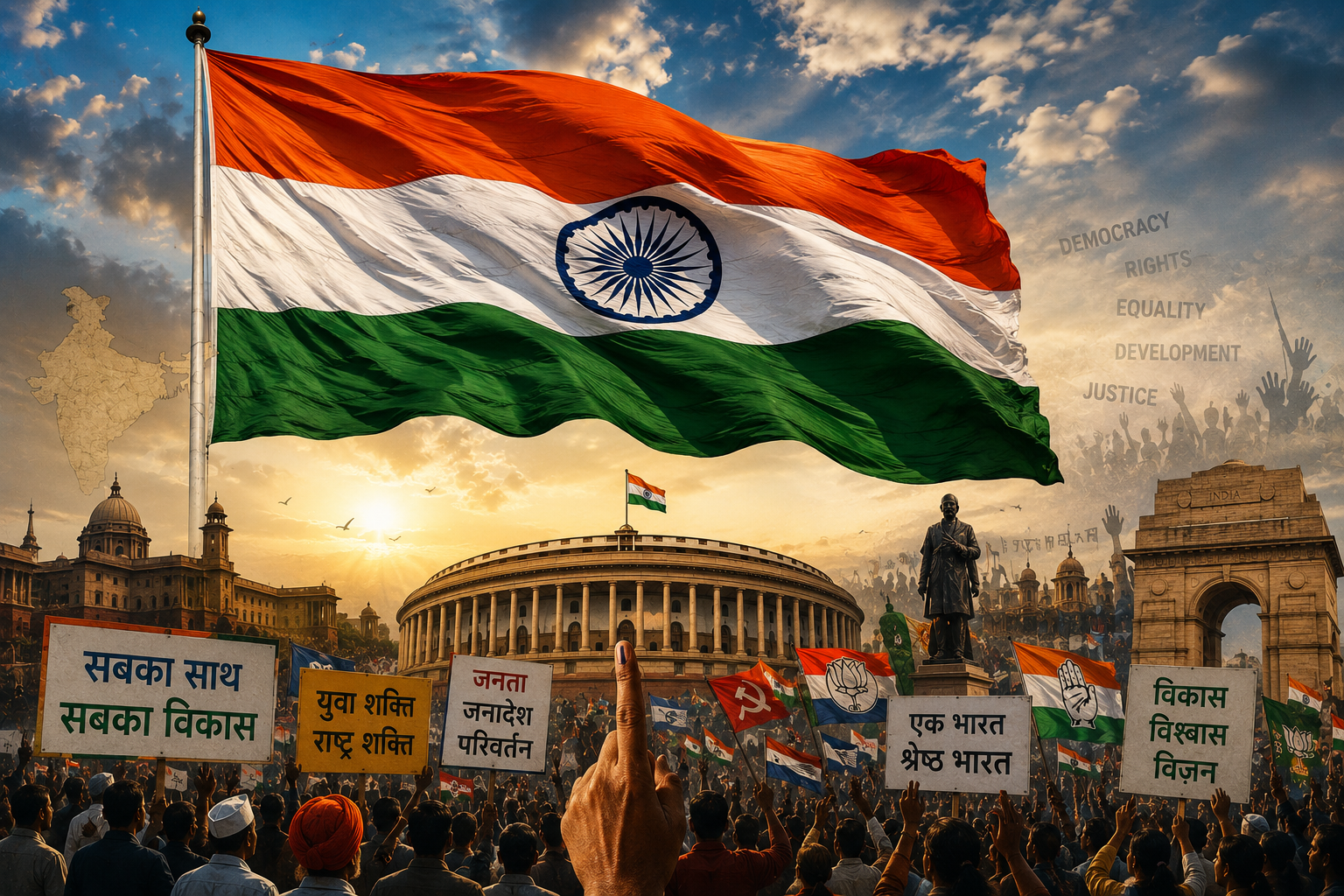
India is moving closer to implementing the 'One Nation One Election' policy, with internal preparations suggesting a potential rollout by the 2029 general elections. Parliamentary committees are actively evaluating the constitutional requirements to synchronize state and national polls.
In-Depth Analysis
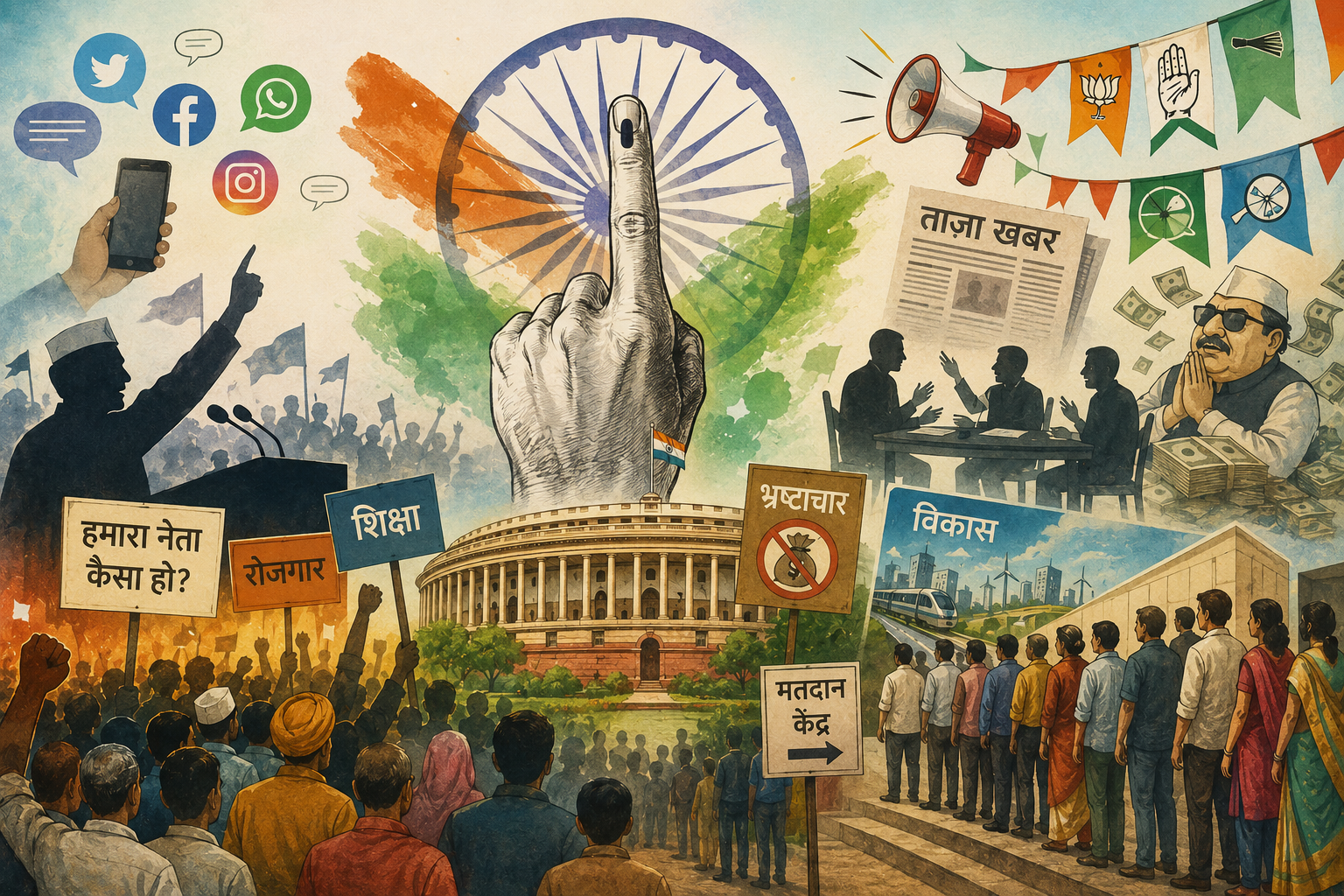
The prospect of the 'One Nation One Election' (ONOE) reform, a landmark initiative aimed at transforming India's electoral cycle, has gained significant momentum. Reports indicate that the government is aiming to operationalize this massive administrative shift by the time the 2029 general elections are held. This initiative seeks to synchronize the Lok Sabha and State Legislative Assembly elections, a move intended to reduce expenditures and minimize the disruptive impact of recurring election cycles on governance.
Parliamentary Oversight and Preparations
The initiative is currently under rigorous scrutiny by a joint parliamentary committee, headed by prominent leaders such as P.P. Chaudhary. The committee is tasked with mapping out the complex constitutional amendments required to unify the election timelines across the country. Constitutional experts have pointed out that Article 83, Article 85, and Article 172 of the Indian Constitution, which govern the duration of houses and their dissolution, would likely require significant modifications to align the tenure of state assemblies with the central government.
Expected Benefits and Challenges
Proponents of the 'One Nation One Election' model argue that the current system leads to a 'perpetual election mode,' where the Model Code of Conduct frequently stalls developmental projects and administrative decision-making at both central and state levels. By holding simultaneous elections, the government believes it can save thousands of crores of rupees in expenditure and allow elected officials to focus on policy implementation for a more consistent period.
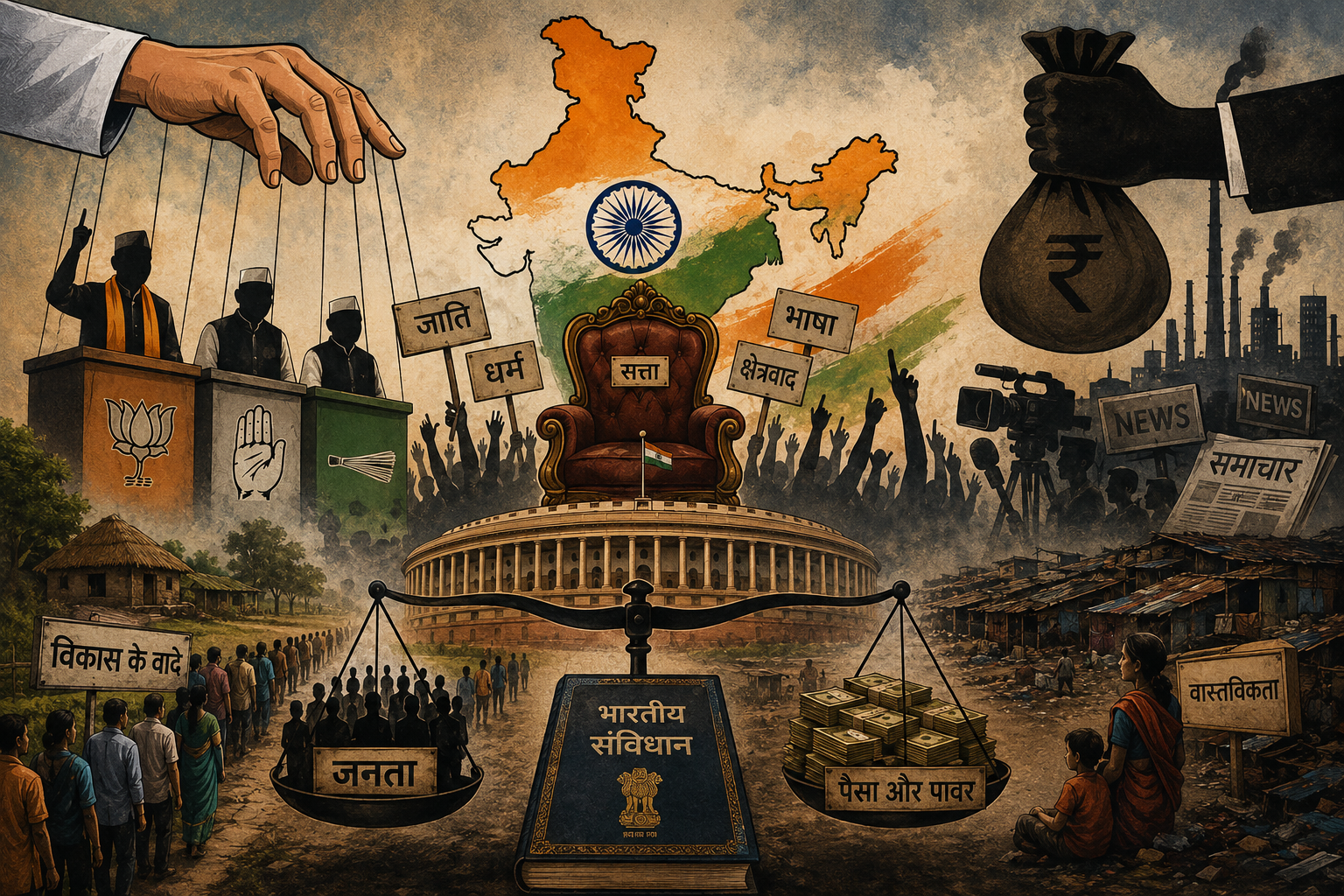
However, the roadmap toward 2029 is not without skepticism. Political analysts argue that the implementation must address federalist concerns. There is significant debate surrounding how states with varying assembly terms will reconcile their timelines with the national cycle. Some legal scholars have expressed concerns that premature dissolution of assemblies to meet the 2029 deadline could compromise the democratic mandate of state governments. The committee is currently engaging with various stakeholders to ensure that the constitutional spirit of the federal structure remains intact while achieving the goal of electoral synchronization.
Looking Ahead
The government is reportedly drafting a comprehensive roadmap that includes consensus-building with opposition parties and state governments. While the legislative framework is still in the nascent stages of refinement, the push toward a 2029 implementation suggests that the administration considers this a top-priority reform. As the nation watches closely, the success of this move will depend on the delicate balance between administrative efficiency and the preservation of India's robust, multi-layered democratic process. For now, all eyes remain on the parliamentary committee's forthcoming report, which is expected to provide the definitive blueprint for this ambitious electoral overhaul.
How do you feel about this story?
Discussion
No comments yet. Be the first to share your thoughts.
Join the discussion
Sign in to share your thoughts on this story.