BNN Summary
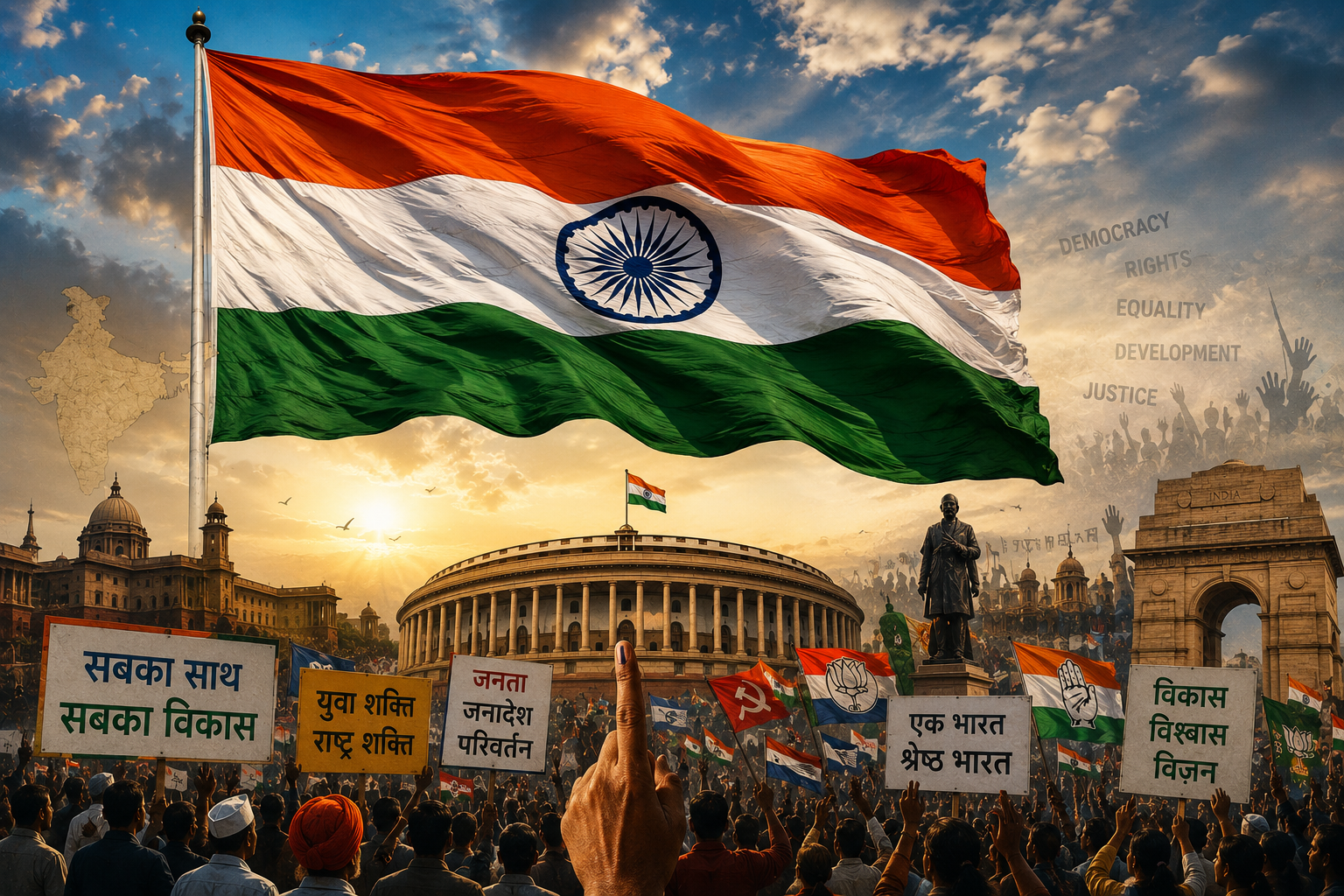
Prime Minister Narendra Modi has declared that the Bharatiya Janata Party has successfully integrated the concept of Nation First as the primary guiding principle in Indian political discourse, marking a shift from identity-based governance to development-oriented administration.
In-Depth Analysis
Prime Minister Narendra Modi recently addressed a gathering of party members and supporters, articulating the profound transformation he believes the Bharatiya Janata Party (BJP) has brought to the landscape of Indian governance. According to the Prime Minister, the party has moved beyond the traditional paradigms of identity politics, caste-based mobilization, and regional favoritism to establish a robust and overarching principle of 'Nation First'.
A Shift in Political Paradigm
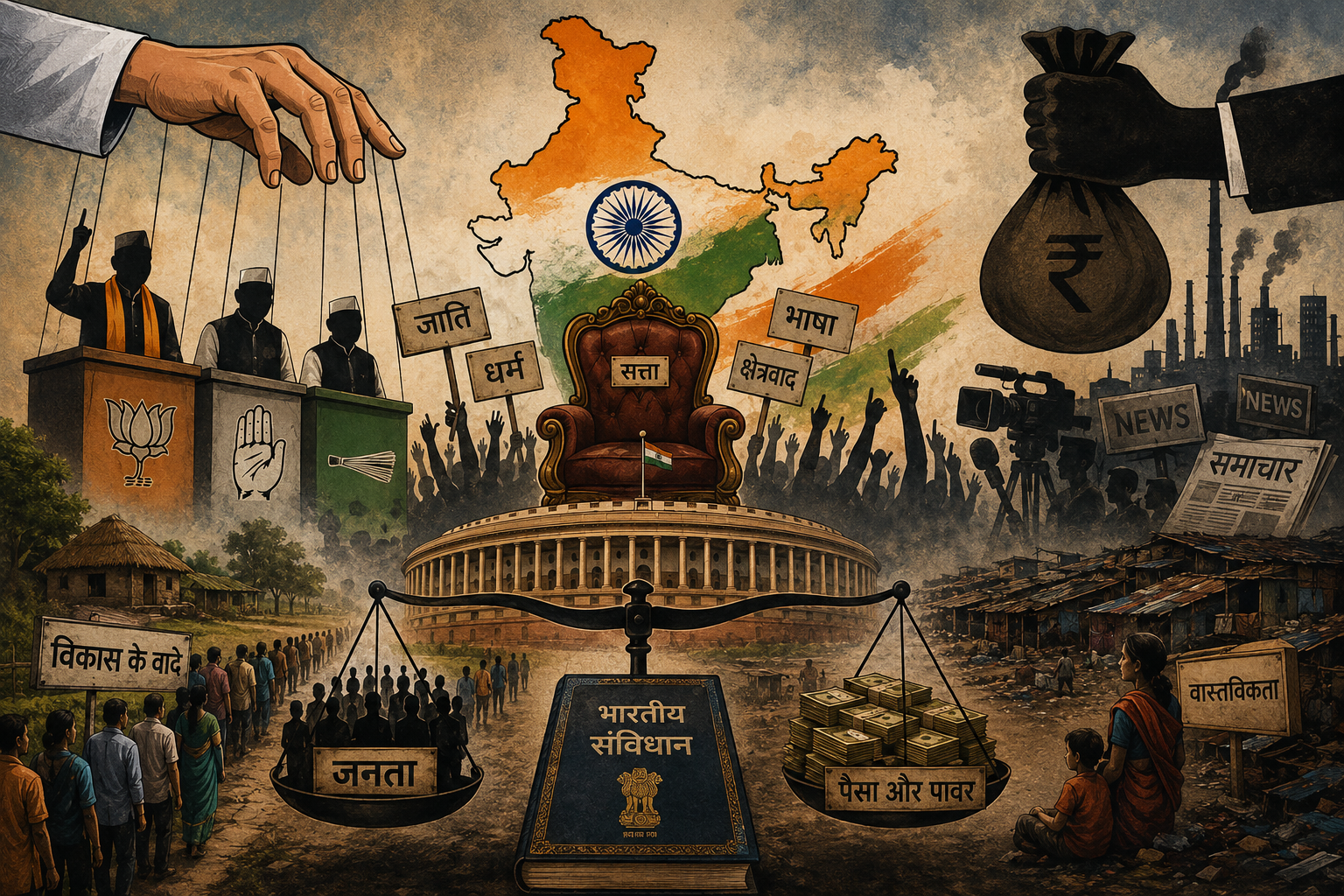
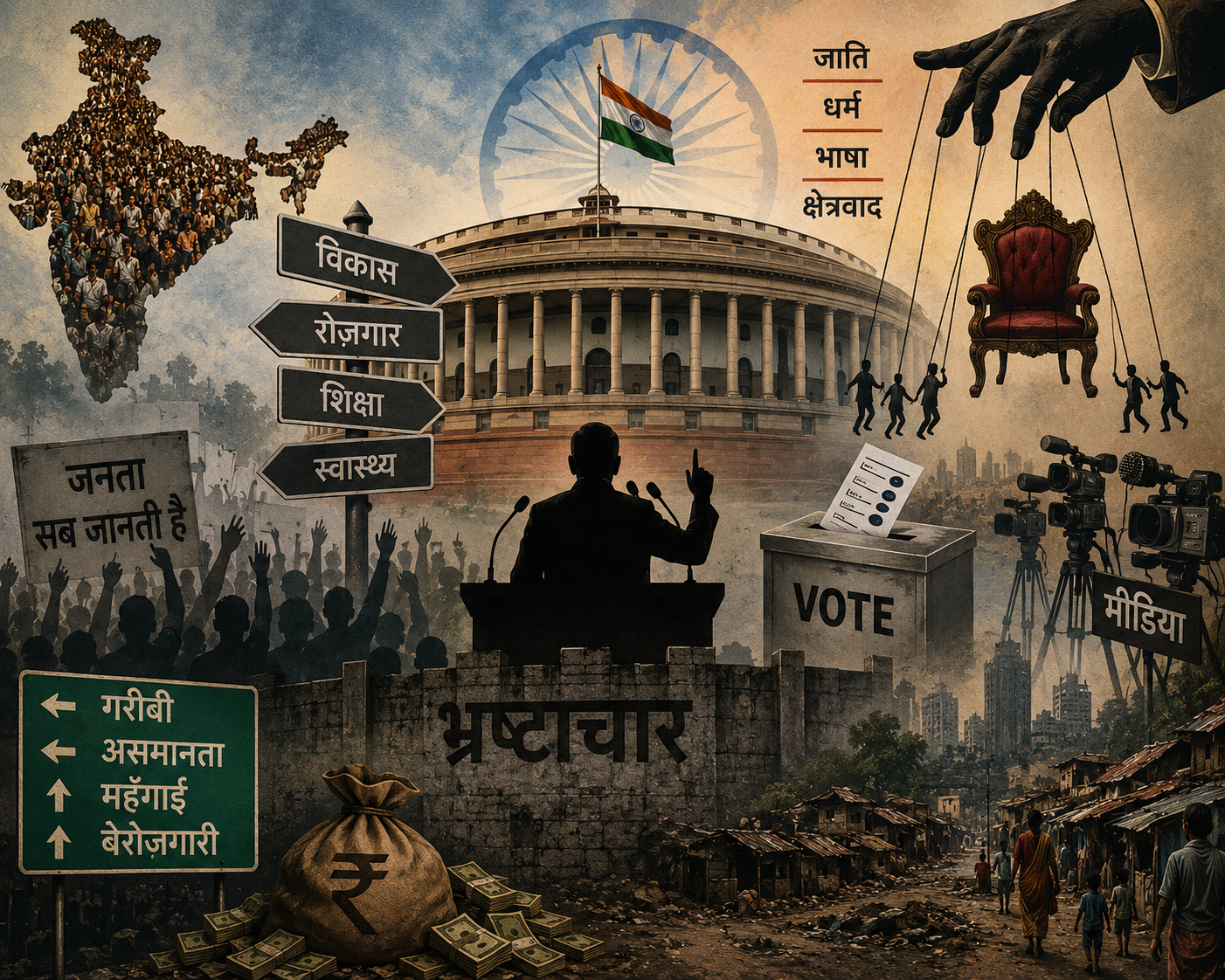
During his address, Prime Minister Modi emphasized that the BJP's evolution over the last decade represents a fundamental change in how political parties relate to the electorate. For years, he argued, Indian political culture was dominated by short-term gains, identity-based agendas, and the prioritization of specific communities over the general welfare of the public. By contrast, the current administration has sought to institutionalize a model where national interest is the primary metric for policy formulation and execution.
The Core of the Nation First Philosophy
This 'Nation First' ideology is not merely a political slogan, the Prime Minister insisted. He detailed how various government initiatives, from infrastructure development to social welfare schemes, have been designed to transcend local barriers.
- Infrastructure Connectivity: The massive expansion of national highways, railways, and airports is aimed at fostering a unified economic geography, effectively binding the country into a single, cohesive market.
- Inclusive Development: By focusing on 'Sabka Saath, Sabka Vikas', the administration aims to ensure that development reaches the last person in the last village, irrespective of their socio-political background.
- Economic Reform: The introduction of nationwide tax reforms and digitalization efforts were highlighted as evidence of a centralized, growth-focused vision that prioritizes the nation's global standing.
Political Accountability and Future Vision
Modi stated that by centering the discourse on national development, the BJP has challenged the opposition to engage in a more meaningful competition. He noted that in the past, political success was often measured by the ability to balance competing interest groups. Under the current framework, however, the administration maintains that the legitimacy of power is derived from the ability to deliver tangible results for the entire populace.
Critics have previously accused the government of promoting a majoritarian agenda, but in this recent address, the Prime Minister framed the 'Nation First' movement as an inclusive umbrella. He asserted that when national interests are prioritized, the historical grievances that once defined Indian political struggles are naturally mitigated through shared prosperity and national pride.
Implications for Indian Democracy
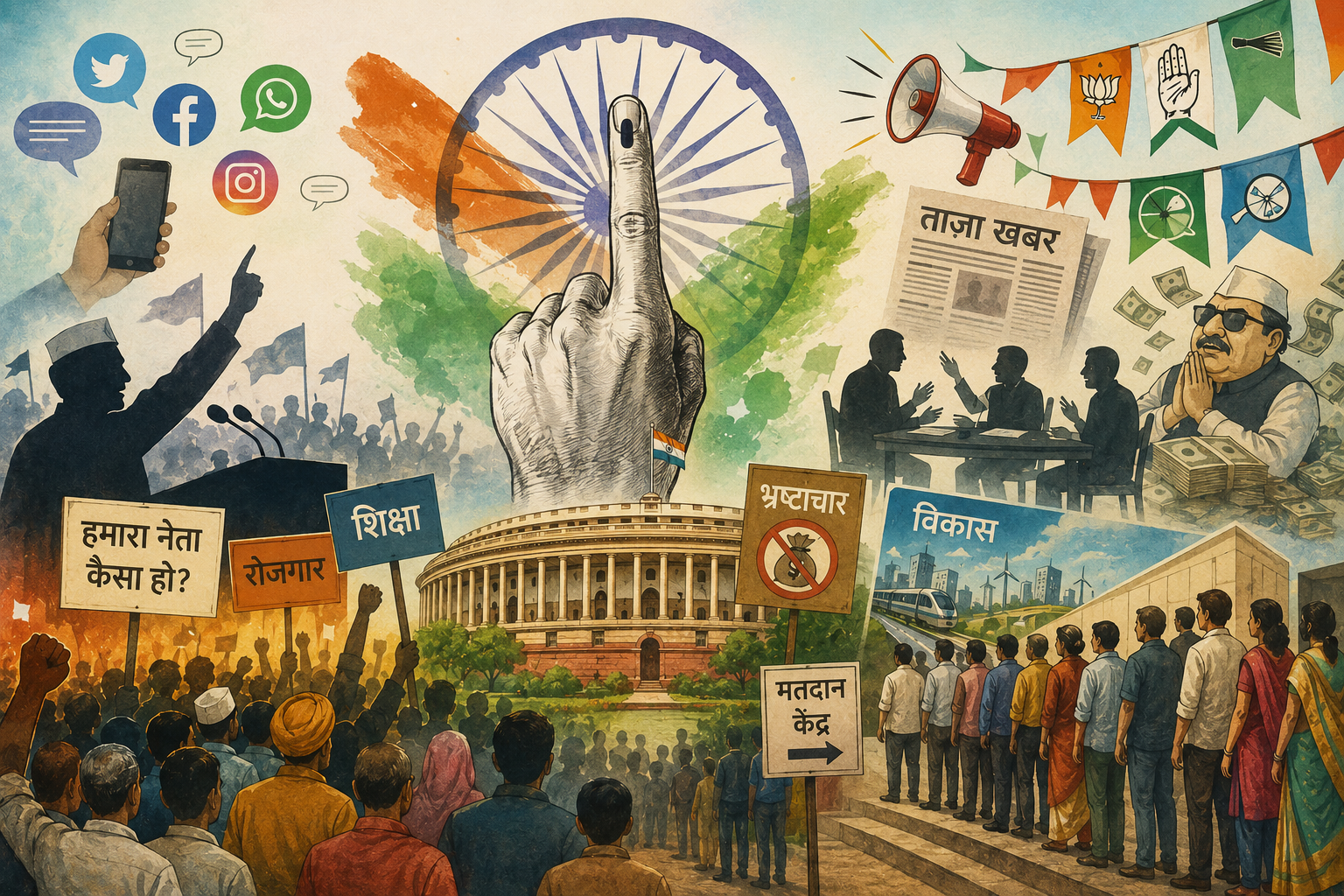
Political analysts watching these developments suggest that this rhetoric is designed to solidify the BJP's base while expanding its reach into states that were once considered outside its traditional strongholds. By positioning the party as the sole guardian of the national interest, the BJP seeks to create a dominant narrative that makes development the primary criterion for voter behavior. As India moves into the next phase of its economic trajectory, the Prime Minister's emphasis on this principle suggests that his administration will continue to lean heavily on the promise of a strong, unified, and self-reliant nation to justify its policy choices and maintain its political momentum.
How do you feel about this story?
Discussion
No comments yet. Be the first to share your thoughts.
Join the discussion
Sign in to share your thoughts on this story.