BNN Summary
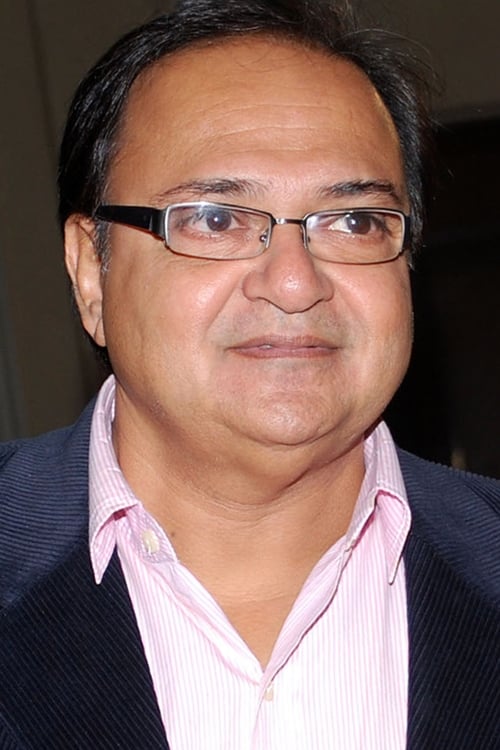
Veteran actor Rakesh Bedi has approached the court to legally protect his personality and publicity rights. Amid ongoing industry disputes and discussions regarding actor bodies, Bedi has also emphasized the critical need for unity within the acting fraternity.
In-Depth Analysis
Veteran actor Rakesh Bedi has officially taken legal action by approaching the court to protect his personality and publicity rights, joining a growing number of Indian celebrities seeking judicial safeguards against unauthorized commercial exploitation. The move comes at a time when the entertainment industry is grappling with various internal conflicts, evolving digital landscapes, and debates surrounding the representation and welfare of artists.
Protecting Identity in the Digital Era
The legal petition filed by Rakesh Bedi highlights the increasing vulnerability of artists in the age of artificial intelligence, deepfakes, and rampant unauthorized merchandising. By seeking a protective order regarding his name, image, likeness, and voice, Bedi aims to prevent third parties from exploiting his persona for commercial gains without explicit consent. Legal experts note that personality rights have become a crucial shield for public figures in India, allowing them to legally challenge unauthorized endorsements, AI-generated clones, and exploitative advertising.
Bedi, who has enjoyed a prolific career spanning decades across television, film, and theater, is a household name known for memorable roles in classic sitcoms like 'Yeh Jo Hai Zindagi' and 'Shrimaan Shrimati', as well as recent appearances in projects like 'Dhurandhar'. Protecting his hard-earned brand and public image has become essential as digital mediums expand the reach of celebrity likenesses without regulatory oversight.
Addressing Industry Disparities and CINTAA
Beyond his legal battle for personality rights, Rakesh Bedi has recently been vocal about various controversies plaguing the acting community. He broke his silence on ongoing disputes concerning actors' bodies and organizational representation, calling the current state of affairs deeply unfortunate. Bedi stressed that internal friction and division within trade bodies weaken the collective bargaining power of artists, leaving many vulnerable to exploitation by producers and casting networks.
In recent interactions, Bedi specifically urged members of the Cine And TV Artists Association (CINTAA) and the broader fraternity to foster unity. He pointed out that historical achievements in securing better working conditions, fair wages, and robust safety norms were accomplished only when actors stood together. Fragmentation within the industry, according to Bedi, diverts attention from pressing issues such as delayed payments, lack of social security, and health insurance for aging artists.
A Call for Collective Strength
The dual developments of seeking legal protection and advocating for organizational harmony underline Bedi's commitment to the welfare of actors. As the entertainment ecosystem undergoes rapid commercial transformation, veterans like Bedi continue to guide the conversation on balancing technological advancement with the fundamental rights and dignity of performing artists. Observers across the film and television sectors are closely watching the legal proceedings, anticipating that a favorable ruling could set a significant precedent for other veteran actors seeking to secure their intellectual and personal legacies.
How do you feel about this story?
Discussion
No comments yet. Be the first to share your thoughts.
Join the discussion
Sign in to share your thoughts on this story.