BNN Summary
The Union Cabinet has approved an increase in the minimum support price for wheat by Rs 25, bringing it to Rs 2,610 per quintal for the 2027-28 marketing season. The decision comes ahead of upcoming state elections, drawing varied reactions from agricultural experts and opposition groups.
In-Depth Analysis
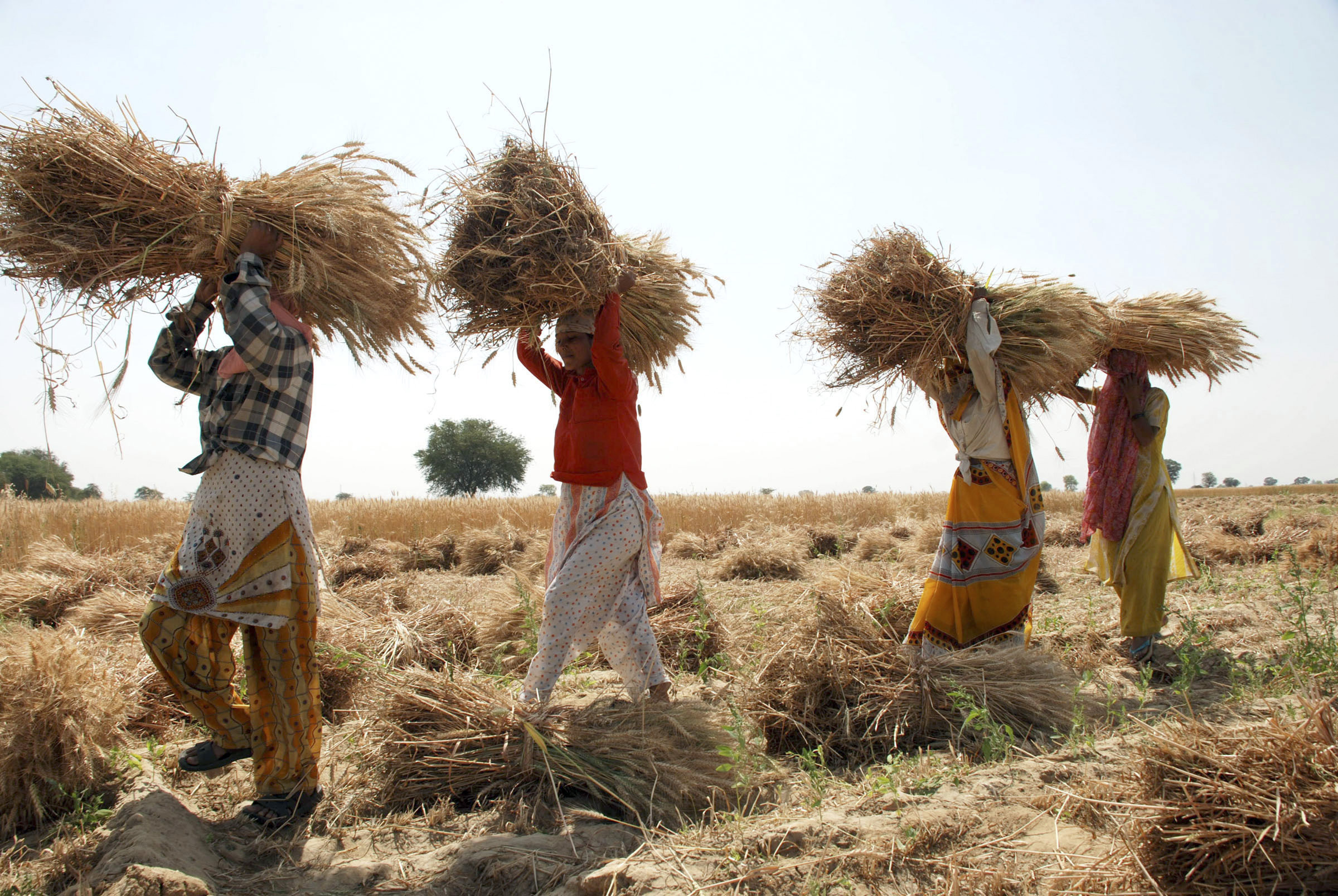
New Delhi: In a significant policy move ahead of upcoming electoral battles, the Union Cabinet has officially approved an increase in the Minimum Support Price (MSP) for wheat by Rs 25 per quintal, fixing the new rate at Rs 2,610 per quintal for the upcoming 2027-28 marketing season. The decision, aimed at balancing grower incentives with food inflation management, has sparked widespread discussions across agricultural sectors and political circles.
Details of the Price Revision
According to official announcements released following the Cabinet meeting, the government has revised the support prices for all mandated Rabi crops for the 2027-28 crop year. While the Rs 25 hike brings the wheat MSP to Rs 2,610 per quintal—up from the previous rate—critics and farm union representatives have termed the increment as modest, arguing that it falls short of comprehensive input cost coverage as previously demanded by protesting farmers under the comprehensive cost formula.
The administration maintains that the pricing strategy is formulated to ensure fair remuneration to cultivators while simultaneously keeping retail food inflation under check for urban and rural consumers. The Commission for Agricultural Costs and Prices (CACP) recommendations formed the foundational basis for these finalized figures.
Political Reactions and Electoral Timing
The announcement arrives at a critical juncture, preceding crucial state legislative assembly elections. Opposition parties have been quick to criticize the administration, characterizing the Rs 25 hike as an inadequate gesture designed merely to manage optics rather than deliver substantial economic relief to the agrarian community.
'Farmers across the country are grappling with escalating input expenses, including fertilizers, diesel, and labor,' stated a spokesperson for an agrarian coalition. 'An increase of merely Rs 25 per quintal fails to address the deep-seated economic distress in rural belts.'
Conversely, ruling coalition representatives defended the decision, highlighting that continuous procurement guarantees and incremental enhancements demonstrate the government's unwavering commitment to the agricultural economy. They emphasized that institutional procurement operations will continue transparently to safeguard the interests of wheat growers across major agricultural states such as Punjab, Haryana, Uttar Pradesh, and Madhya Pradesh.
Broader Implications for Rabi Crops
Beyond wheat, the Cabinet also reviewed pricing structures for other Rabi staples, including barley, gram, lentil, and mustard. Officials stated that differential pricing incentives are being deployed to encourage crop diversification and reduce domestic dependency on edible oil imports by boosting domestic oilseed production.
As the procurement season approaches, agricultural economists will closely monitor market arrivals and open-market prices to determine whether the revised MSP provides sufficient purchasing incentive for farmers to channel their produce through official procurement channels or seek better realizations in private trading networks.
How do you feel about this story?
Discussion
No comments yet. Be the first to share your thoughts.
Join the discussion
Sign in to share your thoughts on this story.