BNN Summary
An in-depth look at Turkiye's persistent calls for sweeping structural reforms within the United Nations Security Council, arguing that the current global governance framework fails to represent modern geopolitical realities and demands urgent restructuring to achieve true international equity and justice.
In-Depth Analysis
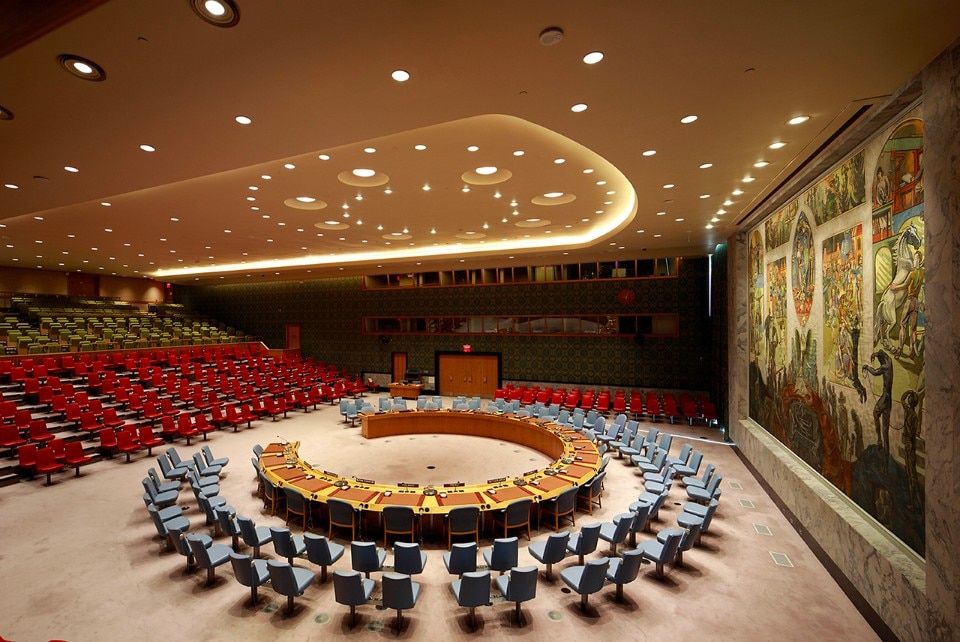
The architectural framework of global governance established in the aftermath of the Second World War is facing unprecedented scrutiny, with nations increasingly demanding structural overhauls to reflect twenty-first-century realities. At the forefront of this diplomatic push is Turkiye, which has consistently championed the philosophy that 'the world is bigger than five'. This resonant phrase underscores the glaring disparity between the current composition of the United Nations Security Council and the expansive, multipolar nature of contemporary international relations.
The Historical Context of the Security Council
When the United Nations was founded in 1945, the international landscape was defined by the victors of a devastating global conflict. The permanent five members of the Security Council—the United States, the United Kingdom, France, Russia, and China—were granted extraordinary powers, most notably the right of veto. This mechanism was ostensibly designed to maintain great power consensus and prevent another catastrophic war among major military powers. However, decades have passed, and the geopolitical center of gravity has shifted dramatically across continents.
Today, billions of people across Africa, Latin America, and the Global South have no permanent voice in the highest executive body of the United Nations. Turkiye has emerged as a leading voice articulating this systemic flaw. Turkish leadership frequently points out that global peace and security cannot be effectively managed by a handful of nations whose privileges are rooted in the mid-twentieth-century balance of power. The persistence of deadlocks in the Security Council during major international crises demonstrates that the current system is frequently paralyzed by conflicting national interests among the permanent five.
The Cost of Paralysis and Inaction
Recent global events have laid bare the limitations of the UN Security Council. Whenever geopolitical rivalries flare up between permanent members, the council routinely fails to pass meaningful resolutions or enforce international law. This institutional paralysis has devastating humanitarian consequences in conflict zones around the world. Civilians bear the brunt of geopolitical posturing while the primary organ tasked with maintaining global peace remains immobilized by the veto threat.
Turkiye's critique goes beyond mere representation; it touches upon the core legitimacy of international institutions. If organizations like the United Nations fail to adapt to a changing world, they risk losing their moral authority and relevance. Ankara argues that genuine multilateralism requires an inclusive structure where decisions are made collectively and transparently, rather than dictated by a privileged few. Comprehensive reform must include expanding both permanent and non-permanent seats, restricting or regulating the use of the veto in cases of mass atrocities, and enhancing the democratic accountability of the Security Council to the broader UN General Assembly.
A Vision for Inclusive Global Governance
Advocating for a fairer international order, Turkish diplomats emphasize that security and prosperity are indivisible. Developing nations and emerging economies contribute immensely to global economic output, peacekeeping missions, and cultural exchange, yet they remain sidelined in strategic decision-making. By calling for a reformed Security Council, Turkiye is not merely seeking status; it is diagnosing a structural malaise that threatens global stability.
The debate over UN reform is gaining momentum, with various coalitions of nations proposing alternative models for expansion. While resistance from the existing permanent members remains a formidable obstacle, the chorus of voices demanding change is growing louder. The realization that global challenges—ranging from climate change and economic instability to pandemics and regional conflicts—cannot be resolved by an outdated hierarchy is becoming universal.
Ultimately, the future of the United Nations depends on its capacity for self-reflection and reform. As Turkiye and other like-minded nations continue to press the issue on international platforms, the international community is forced to confront an uncomfortable truth: the world has indeed outgrown the top five, and the architecture of global peace must evolve to match the aspirations of all humanity.
How do you feel about this story?
Discussion
No comments yet. Be the first to share your thoughts.
Join the discussion
Sign in to share your thoughts on this story.