BNN Summary
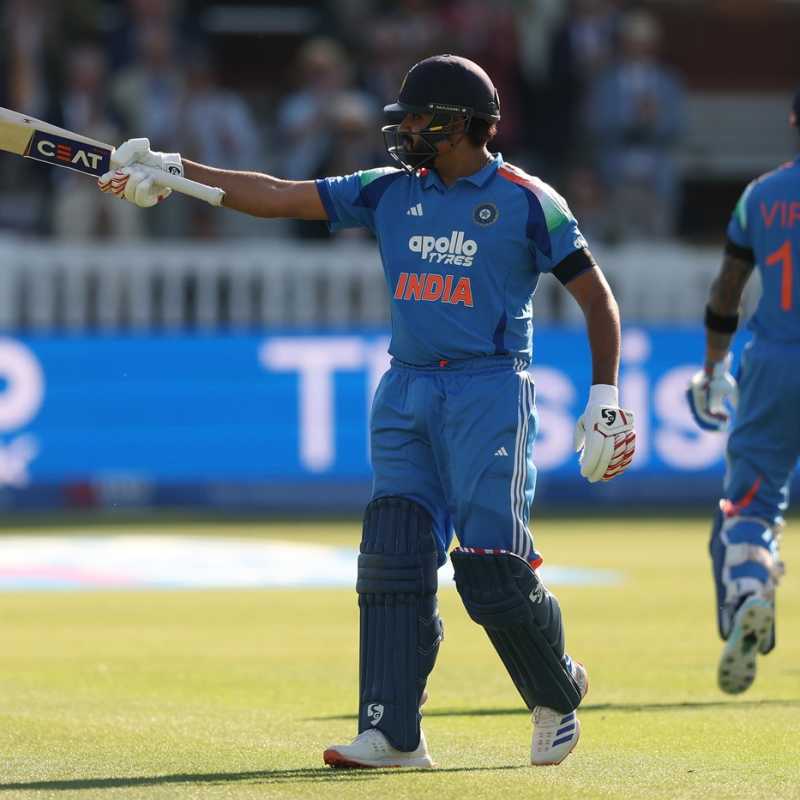
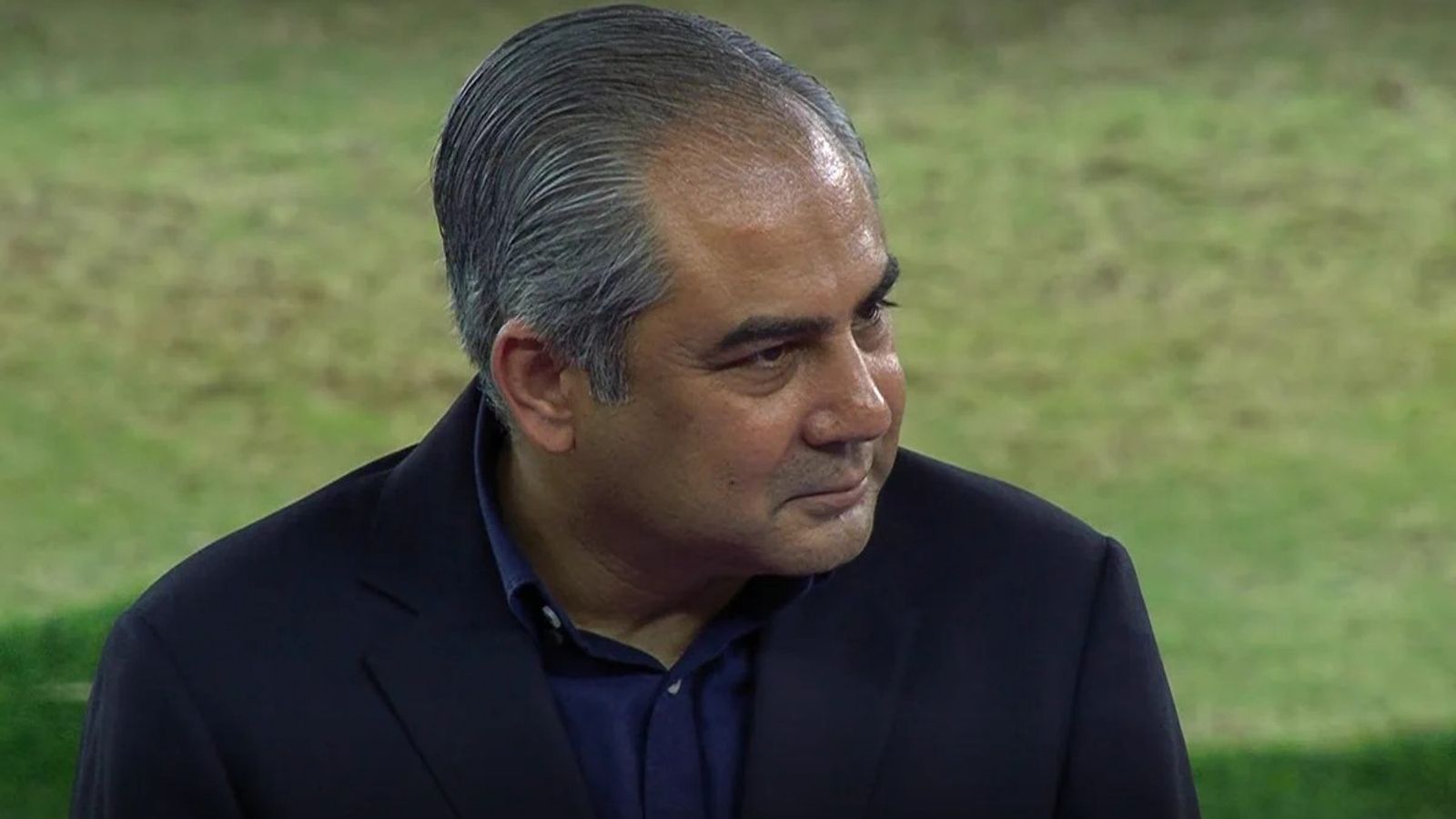
The ongoing cricketing impasse between India and Pakistan deepens as Indian authorities reportedly refuse to accept the Asia Cup trophy from Asian Cricket Council President Mohsin Naqvi. The diplomatic and sporting standoff sparks widespread debates among former international cricketers and administrators, raising questions regarding the future leadership of continental cricket and bilateral tournament logistics.
In-Depth Analysis
The diplomatic and sporting tensions between the Board of Control for Cricket in India and the Pakistan Cricket Board have reached a new flashpoint, plunging continental cricket administration into an unprecedented administrative deadlock. At the heart of the latest controversy is the refusal by the Indian contingent to receive the prestigious Asia Cup trophy from Asian Cricket Council President Mohsin Naqvi, citing ongoing political and logistical disagreements that have plagued bilateral sporting relations for over a decade.
The standoff began during the post-match presentation ceremony of the recent tournament, where customary protocols were bypassed due to objections raised by the visiting delegation. Sources close to the development indicate that the decision not to accept the silverware directly from the current ACC leadership stems from broader reservations regarding cross-border sporting policies and the governance structure of the regional council. This public demonstration of discontent has amplified existing frictions, turning what is typically a celebratory conclusion into a diplomatic talking point.
Adding fuel to the fire, the incident has drawn sharp reactions from former international cricketers, pundits, and administrators across the globe. Several notable former players have weighed in on the controversy, with some expressing extreme viewpoints regarding the viability of future bilateral fixtures. A prominent World Cup-winning cricketer publicly remarked that national sporting bodies should reconsider participating in tournaments involving Pakistan altogether until political climates normalize. Such statements have ignited intense debates on television networks and social media platforms, polarizing fans and analysts alike.
Furthermore, the longevity of Mohsin Naqvi's tenure as the head of the Asian Cricket Council has come under intense scrutiny. Stakeholders are actively questioning whether his leadership will extend through the upcoming cycle, including the preparations and hosting duties for the next edition of the Asia Cup. The uncertainty surrounding the presidency threatens to derail crucial planning phases, sponsorship negotiations, and fixture announcements that require unanimous consensus among member boards.
Neutral cricket observers and international administrators are urging both nations to separate sports from geopolitics, warning that prolonged standoffs could severely damage the commercial and competitive integrity of cricket in the region. The Asian Cricket Council faces a daunting task in mediating the dispute, as failure to reach a diplomatic resolution could lead to boycotts, forfeiture of matches, and a restructuring of regional tournament formats.
As the administrative board prepares for its upcoming annual general meeting, all eyes will be on how leadership addresses the friction between its two most influential members. The resolution of this trophy impasse will not only dictate the immediate future of the Asia Cup but will also set a crucial precedent for how international cricket navigates diplomatic hurdles in an increasingly interconnected sporting world.
How do you feel about this story?
Discussion
No comments yet. Be the first to share your thoughts.
Join the discussion
Sign in to share your thoughts on this story.