Public Reaction Summary
“The Unwinnable War: Why a Conflict with Iran Would Be the Ultimate Foreign Policy Catastrophe”
Analysis based on 10 commentsAnger
Summary
Public sentiment regarding the Iran conflict is deeply polarized, reflecting starkly contrasting geopolitical loyalties and domestic struggles. Supportive voices express admiration for Iran and allege ulterior political motives by foreign leaders driven by external interests. Conversely, critical reactions highlight severe domestic instability, portraying the Iranian government as an oppressive regime on the verge of collapse while mocking its strategic positioning. Citizens appreciate defiance against perceived foreign hegemony, but voice intense concern over regime survival, election-driven warfare, and the true motivations behind diplomatic proposals.
Breakdown of emotional tone across all comments
Key Takeaway
The discourse is fueled by intense skepticism and partisan alignment, advising editors to remain objective and thoroughly contextualize the complex interplay between internal Iranian dissent and external geopolitical maneuvering.
Full Dashboard
Trending Keywords
✅ Top Positive Reactions
“God bless Iran so super power ❤️❤️❤️🇮🇷🇮🇷🇮🇷🇮🇷🇮🇷❤️❤️❤️❤️”
“Sounds like all out war ?/?/ If trump want to win election he will continue in absurd war on behalf of zionist interest.”
⚠️ Critical Perspectives
“What a joke… the IRGC is just barely holding on, struggling to prevent the Iranian people from overthrowing the oppressive regime…”
“Iran is loosing the war,that is why it has come up with a proposal to end the war.😂”
BNN Summary
Escalating Middle East tensions and the specter of an Iran conflict have ignited global alarm, threatening severe economic fallout and regional instability. For India, the crisis poses critical strategic risks to energy security and vital connectivity projects like the Chabahar Port. Public and diplomatic sentiment overwhelmingly urges restraint, viewing direct military confrontation as an unwinnable geopolitical catastrophe.
In-Depth Analysis
Introduction and Core Facts
Over the past week, "Iran war" has emerged as a dominant trending topic in global politics, capturing significant search volume and public attention amid escalating geopolitical tensions in the Middle East. The discourse encompasses a volatile mix of military posturing, diplomatic maneuvers, and domestic upheaval within the Islamic Republic. As reports of direct confrontations, proxy conflicts, and strategic posturing dominate the newswires, the international community watches closely to see whether current hostilities will de-escalate or spiral into a broader regional conflict. The core of the current news cycle revolves around the sustainability of Iran's military and political posture, the economic fallout of prolonged instability, and the shifting calculus of global superpowers as they navigate the crisis.
Context and Implications
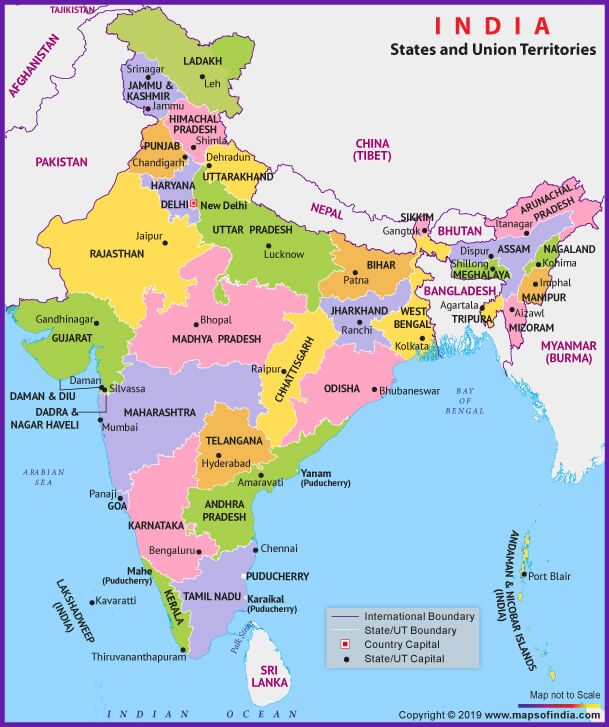
For India, the unfolding situation in Iran carries profound strategic, economic, and diplomatic implications. New Delhi maintains deep civilizational ties with Tehran, alongside critical economic interests, including energy security and regional connectivity projects such as the Chabahar Port. Any sustained military conflict in the region directly threatens energy supplies, disrupts vital trade routes, and places the safety of millions of Indian expatriates working in the Gulf at immediate risk. Systemically, the crisis underscores the fragility of Middle Eastern security architecture and the interconnected nature of global oil markets. Diplomatically, India faces a delicate balancing act: maintaining its strategic partnerships with Western nations and regional allies like Israel while preserving its traditional autonomy and engagement with Iran. The broader geopolitical fallout also touches upon domestic electoral politics in the West, where foreign policy decisions in the Middle East frequently intersect with public sentiment on war, peace, and national interests.
Public Response and Sentiment
Public reaction to the ongoing crisis remains deeply polarized, reflecting a sharp ideological divide across social media platforms and global forums. On one hand, segments of the public express staunch solidarity with the Iranian state, viewing the conflict through an anti-imperialist lens. This sentiment is encapsulated by supportive commentary, with users exclaiming, "God bless Iran so super power ❤️❤️❤️🇮🇷🇮🇷🇮🇷🇮🇷🇮🇷❤️❤️❤️❤️." Others voice deep cynicism regarding the motivations of Western leaders, arguing that external interventions are driven by foreign lobbying rather than democratic values; as one user remarked, "Sounds like all out war ?/?/ If trump want to win election he will continue in absurd war on behalf of zionist interest."
Conversely, a robust counter-narrative highlights the domestic vulnerabilities of the Iranian government and perceives recent diplomatic overtures as signs of weakness rather than strength. Critics of the regime point to internal dissent and economic pressures, asserting that the establishment is failing to maintain internal control. One critical commenter noted, "What a joke… the IRGC is just barely holding on, struggling to prevent the Iranian people from overthrowing the oppressive regime…" Another observer echoed this assessment regarding military exhaustion, writing, "Iran is loosing the war,that is why it has come up with a proposal to end the war.😂" These contrasting viewpoints illustrate a global public sharply divided between skepticism of Western foreign policy and a profound critique of authoritarian governance in Tehran.
How do you feel about this story?
Discussion
No comments yet. Be the first to share your thoughts.
Join the discussion
Sign in to share your thoughts on this story.