BNN Summary
From cinematic wedding productions in China and dramatic cockpit recordings in aviation to viral wellness trends like lymphatic drainage across social media, video continues to shape cultural narratives and consumer behavior worldwide.
In-Depth Analysis
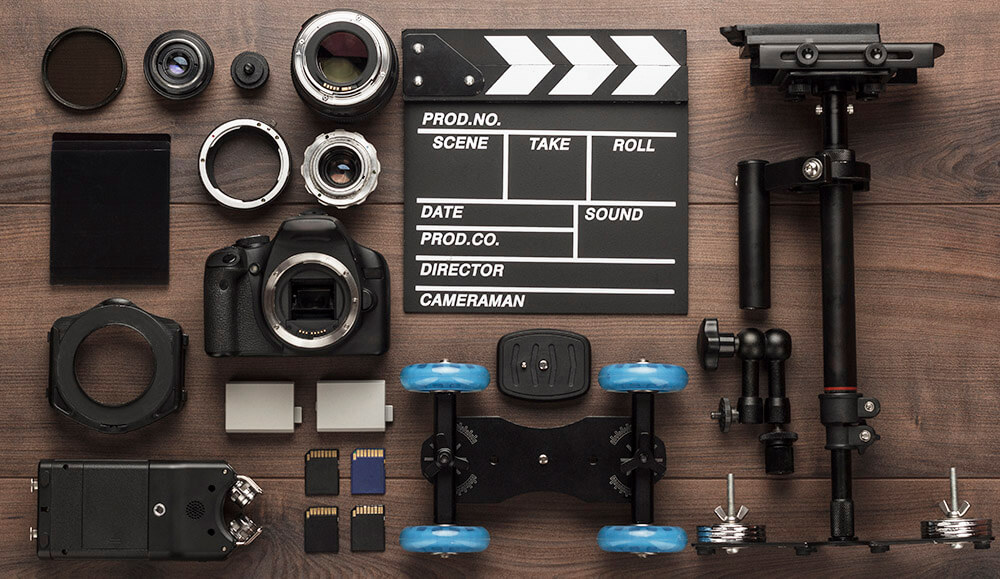
Video content has firmly established itself as the dominant medium for communication, entertainment, and commercial storytelling in the modern digital era. Across diverse sectors—ranging from luxury wedding services and aviation safety to digital wellness and beauty trends—moving images continue to capture public attention and drive significant cultural engagement. A striking example of this evolution is the booming wedding videography industry in China, where couples are increasingly investing in elaborate, movie-grade productions that rival commercial cinema. Rather than opting for traditional, straightforward documentation of their nuptials, modern couples are hiring professional directors, screenwriters, and special effects teams to craft epic narrative films starring themselves. These productions often feature dramatic plotlines, sophisticated costume changes, elaborate set designs, and cinematic drone shots, reflecting a broader cultural shift toward experiential storytelling and the personalization of life milestone celebrations.
At the same time, video serves a critical role in documenting real-world events, safety investigations, and breaking news. Recently released footage from aviation incidents, such as videos capturing a FlyDubai pilot seeking assistance after sustaining injuries during flight operations, underscores the vital importance of onboard cameras and digital recording devices. These visual records provide essential data for aviation safety experts, investigators, and the public, offering transparent insights into emergency situations and pilot responses under extreme pressure. Such videos often spark widespread discussions regarding aviation protocols, cockpit safety, and the psychological resilience of flight crews, demonstrating how digital media can influence public awareness and regulatory scrutiny.
In the realm of lifestyle and wellness, video platforms have become the primary battleground for health trends, beauty tutorials, and self-care advice. A prominent trend capturing millions of views across platforms like TikTok and YouTube focuses on lymphatic drainage beauty videos. These tutorials, often hosted by aestheticians and wellness influencers, promise enhanced facial contouring, reduced inflammation, and improved skin health through specialized massage techniques. While viewers eagerly adopt these routines into their daily skincare regimens, medical professionals and dermatologists frequently weigh in to evaluate the scientific validity of these practices. This dynamic highlights the unique power of video as an educational tool, while also underscoring the challenges of regulating health-related claims in a decentralized digital media ecosystem.
As streaming technologies improve, video production tools become more accessible, and global internet connectivity expands, the societal impact of video will only continue to intensify. Whether transforming private celebrations into cinematic blockbusters, delivering crucial evidence in critical incidents, or shaping global beauty standards through viral tutorials, video remains the most versatile and influential medium of the twenty-first century. Industry analysts predict that emerging technologies, including artificial intelligence-driven editing and immersive augmented reality formats, will further redefine how video content is created, consumed, and interpreted by audiences around the globe in the coming years.
How do you feel about this story?
Discussion
No comments yet. Be the first to share your thoughts.
Join the discussion
Sign in to share your thoughts on this story.