BNN Summary
The historic cricket rivalry between India and Pakistan continues to dictate the global sporting calendar, with major future clashes scheduled at neutral venues including the 2027 ODI World Cup at the Wanderers and the 2026 Asian Games T20I tournament.
In-Depth Analysis
The rivalry between India and Pakistan remains one of the most intense, emotionally charged, and commercially lucrative fixtures in modern global sports. Every clash between these two South Asian cricket giants commands an audience of hundreds of millions, transcending the boundaries of sport into political, cultural, and geopolitical spheres. Recent announcements regarding international cricket fixtures have once again put this blockbuster rivalry at the center stage of world cricket planning.
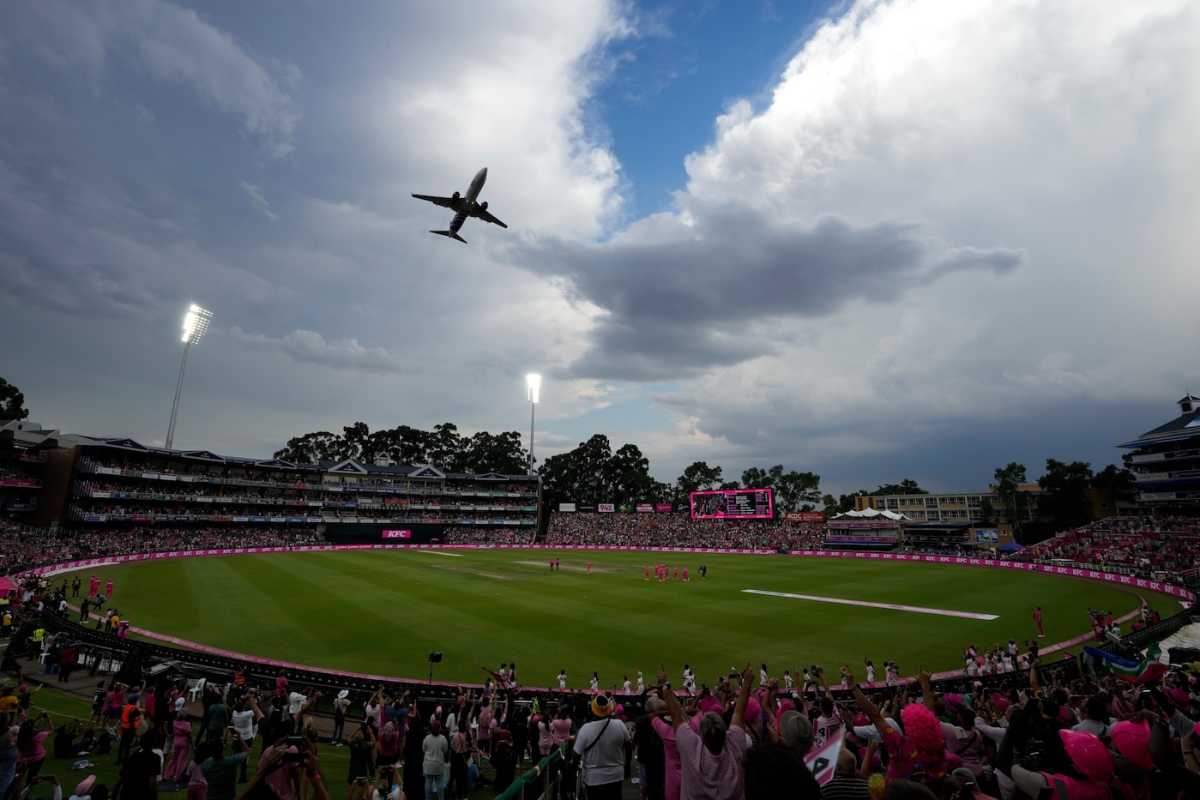
Among the major announcements, Johannesburg's iconic Wanderers Stadium has been named as the venue to host the marquee India versus Pakistan clash during the 2027 ICC Men's ODI World Cup, alongside hosting the grand final of the tournament. The decision to allocate high-stakes matches to historical international venues highlights the International Cricket Council's effort to leverage neutral venues for maximum global reach and security. With bilateral cricket between India and Pakistan remaining suspended due to ongoing diplomatic tensions, multi-nation tournaments hosted at neutral venues remain the sole stage where the two nations lock horns.
Beyond the 50-over format, the rivalry is set to extend across multiple multi-sport and continental events, including the upcoming Asian Games Men's T20I competition scheduled for 2026. The inclusion of top-tier cricket in multi-sport mega events like the Asian Games offers a unique backdrop where political boundaries are temporarily set aside for athletic supremacy. For both boards, the Board of Control for Cricket in India (BCCI) and the Pakistan Cricket Board (PCB), participation in these events brings immense public scrutiny and astronomical viewership ratings.
Sports analysts and historians often describe the India-Pakistan rivalry as cricket's most indispensable yet complicated contest. The financial engine of international cricket relies heavily on the revenue generated from India versus Pakistan matches. Broadcasters pay premium rates for rights to air these encounters, knowing that advertising slots during an India-Pakistan match fetch unprecedented rates. Despite the commercial reliance on this fixture, critics point out the underlying toxicity that frequently surfaces on social media platforms and fan forums, where sporting outcomes are elevated to nationalistic triumphs or bitter embarrassments.
The historical context of this rivalry is rooted in the 1947 partition of India and Pakistan, which created a deep-seated geopolitical divide. On the field, this history translates into unyielding pressure on players. Matches are characterized by intense atmosphere, soaring emotions, and iconic performances that linger in sporting folklore for generations. From legendary World Cup clashes in Australia and England to high-voltage Asia Cup thrillers, every chapter of this rivalry adds to a rich and complex sporting narrative.
As cricket expands into new territories and formats, including its slated return to the Olympic Games, administrators face the delicate task of balancing high-octane rivalries with international diplomacy. While cricket boards navigate political constraints and scheduling hurdles, fans around the world remain captivated by every announcement involving an India-Pakistan encounter. Whether played at the Wanderers in South Africa, at Asian Games venues, or in the Middle East, the clash between India and Pakistan continues to define the emotional heart and financial backbone of world cricket.
How do you feel about this story?
Discussion
No comments yet. Be the first to share your thoughts.
Join the discussion
Sign in to share your thoughts on this story.