BNN Summary
The Supreme Court of India has issued formal notices to prominent opposition figures, including Rahul Gandhi and Akhilesh Yadav, following controversial remarks and protests. The judicial action underscores the court's strict stance against attempts to influence or undermine judicial independence, even as the political opposition rallies against restrictions on public demonstrations at Jantar Mantar.
In-Depth Analysis
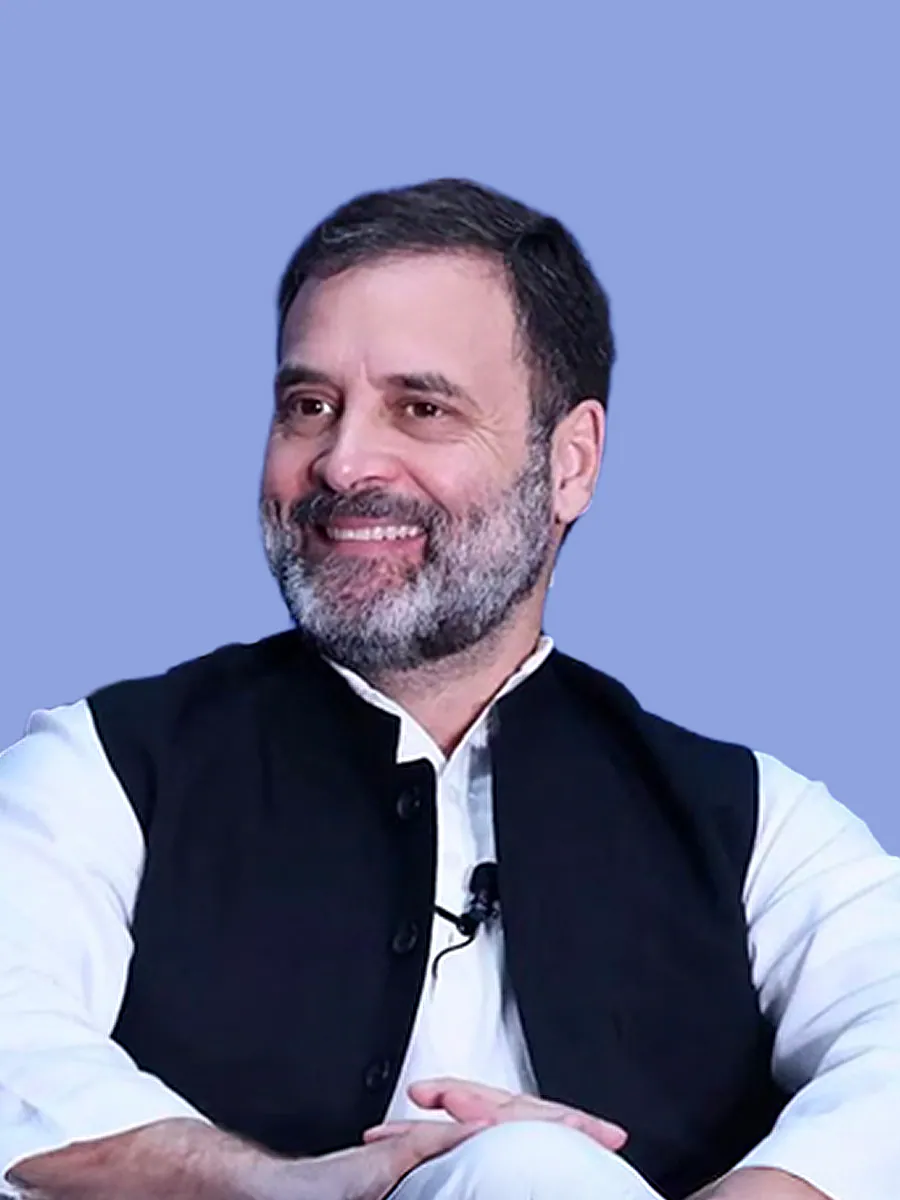
The Supreme Court of India has taken a stern and decisive stance regarding recent political commentary and public demonstrations, issuing formal notices to several high-ranking members of the opposition INDIA bloc. Among those served with notices are senior Congress leader Rahul Gandhi and Samajwadi Party chief Akhilesh Yadav. The apex court's intervention comes in the wake of heated public discourse surrounding judicial independence, protests, and accusations of regime change attempts.
During the proceedings, the bench emphasized that no individual, regardless of their political stature or influence, is permitted to browbeat or pressure the judiciary. The court expressed deep concern over statements made by political leaders that appeared to cast aspersions on the integrity and autonomy of judicial institutions. Justices noted that public debates must respect the constitutional boundaries governing the separation of powers, warning that attempts to politicize judicial outcomes erode public trust in the democratic framework of the nation.
The controversy intensified following a series of events in October, which saw heightened tensions between political activists and law enforcement agencies. The opposition alliance has been vocal in its criticism of local administration policies, particularly regarding strict curbs on public gatherings at New Delhi's historic Jantar Mantar, a traditional hub for protests and demonstrations. Opposition leaders argue that the imposition of severe restrictions on public assembly is a direct assault on the fundamental right to peaceful protest and free speech guaranteed by the Constitution of India.
In response to the arrest of members belonging to the Campaign for Judicial Accountability and Reforms (CJAR), Rahul Gandhi took to social media and public platforms to rally support, declaring a unified 'One Protest' stance. Opposition parties have vowed to 'reclaim' Jantar Mantar as an accessible space for civic dissent and public grievance redressing. The coalition argues that administrative measures are increasingly being weaponized to silence dissenting voices and suppress legitimate political opposition.
Legal experts remain divided on the broader implications of the Supreme Court's notice. While supporters of the judiciary argue that robust action is necessary to protect institutional dignity from politically motivated attacks, critics and civil liberties advocates express apprehension that such notices could further chill free speech and open debate on matters of public interest. As the legal battle unfolds, political analysts anticipate that the standoff between the judiciary, the executive, and the opposition will remain a central fixture of the national political landscape in the coming weeks.
The Supreme Court has directed the respondents to file their formal replies within a stipulated timeframe, setting the stage for a high-stakes legal showdown. The outcome of this case is expected to establish crucial precedents regarding the limits of political rhetoric concerning judicial proceedings and the constitutional parameters of public protest in India.
How do you feel about this story?
Discussion
No comments yet. Be the first to share your thoughts.
Join the discussion
Sign in to share your thoughts on this story.