BNN Summary
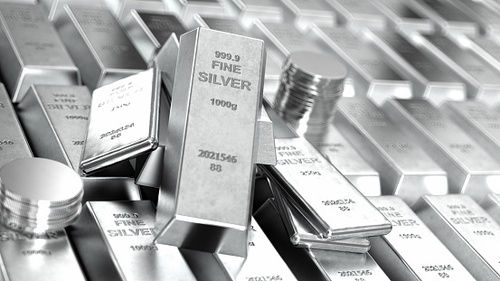
Silver prices remained largely unchanged across major Indian metropolitan areas on September 21. Retail rates for 999 pure silver held steady in cities like Mumbai, Delhi, and Bengaluru, reflecting broader stability in global precious metal markets as domestic investors evaluated recent economic indicators.
In-Depth Analysis
Silver prices demonstrated a steady trajectory across major metropolitan markets in India on September 21, offering a period of consolidation for retail buyers and institutional investors alike. Market participants across key commercial hubs, including Mumbai, Delhi, and Bengaluru, observed that retail rates for 999 purity silver remained broadly unchanged compared to the previous trading sessions.
Market Overview and Regional Trends
The consistency in silver valuations follows a week of fluctuating global commodities data, where industrial demand and currency movements played a pivotal role in shaping precious metal sentiments. In Mumbai, the country's primary financial hub, retail bullion merchants reported stable demand for silver bars and coins. Similarly, in the national capital of Delhi, retail rates for fine silver maintained their baseline levels, providing predictable pricing for both retail consumers and industrial users who depend on the white metal for various manufacturing applications.
In Bengaluru, the tech capital and a major consumption center for precious metals in southern India, the silver rate for one kilogram held firm. Local jewellers and bullion dealers noted that consumer interest remained steady, driven primarily by ongoing wedding season preparations and early inquiries ahead of the upcoming festive calendar. While gold often dominates headlines for its safe-haven appeal, silver continues to attract considerable attention due to its dual characteristic as both a precious asset and an essential industrial raw material.
Economic Drivers and Industrial Demand
Analysts point out that the stability in domestic silver prices is closely tied to international market trends, where spot silver prices have consolidated within a defined trading range. Macroeconomic factors, including inflation expectations, currency exchange rates between the US dollar and the Indian rupee, and interest rate outlooks set by major central banks, continue to dictate the broader direction of bullion markets.
Furthermore, industrial demand remains a critical pillar supporting silver valuations. Sectors such as electronics, green energy technologies—particularly photovoltaic solar panels—and automotive manufacturing require a steady supply of silver. Although near-term industrial consumption has experienced minor adjustments in response to global supply chain updates, long-term structural demand forecasts remain robust, underpinning floor prices for the metal globally.
Retail Guidance for Consumers
For retail buyers looking to purchase silver in quantities ranging from individual grams to 1-kilogram bars, market experts advise monitoring local purity standards and Hallmark certifications. Retail prices quoted across different cities often include local taxes, such as the Goods and Services Tax (GST), along with making charges imposed by individual bullion dealers and jewellers. Consequently, actual purchase prices may vary slightly depending on the specific retail establishment and geographical location.
As the market transitions into the final quarter of the year, bullion analysts anticipate that precious metal prices will remain sensitive to incoming economic data releases, particularly employment figures and inflation reports from major economies. Investors and consumers are encouraged to keep track of daily market updates and consult certified financial advisors before making substantial investment decisions in physical bullion or related financial instruments.
How do you feel about this story?
Discussion
No comments yet. Be the first to share your thoughts.
Join the discussion
Sign in to share your thoughts on this story.