BNN Summary
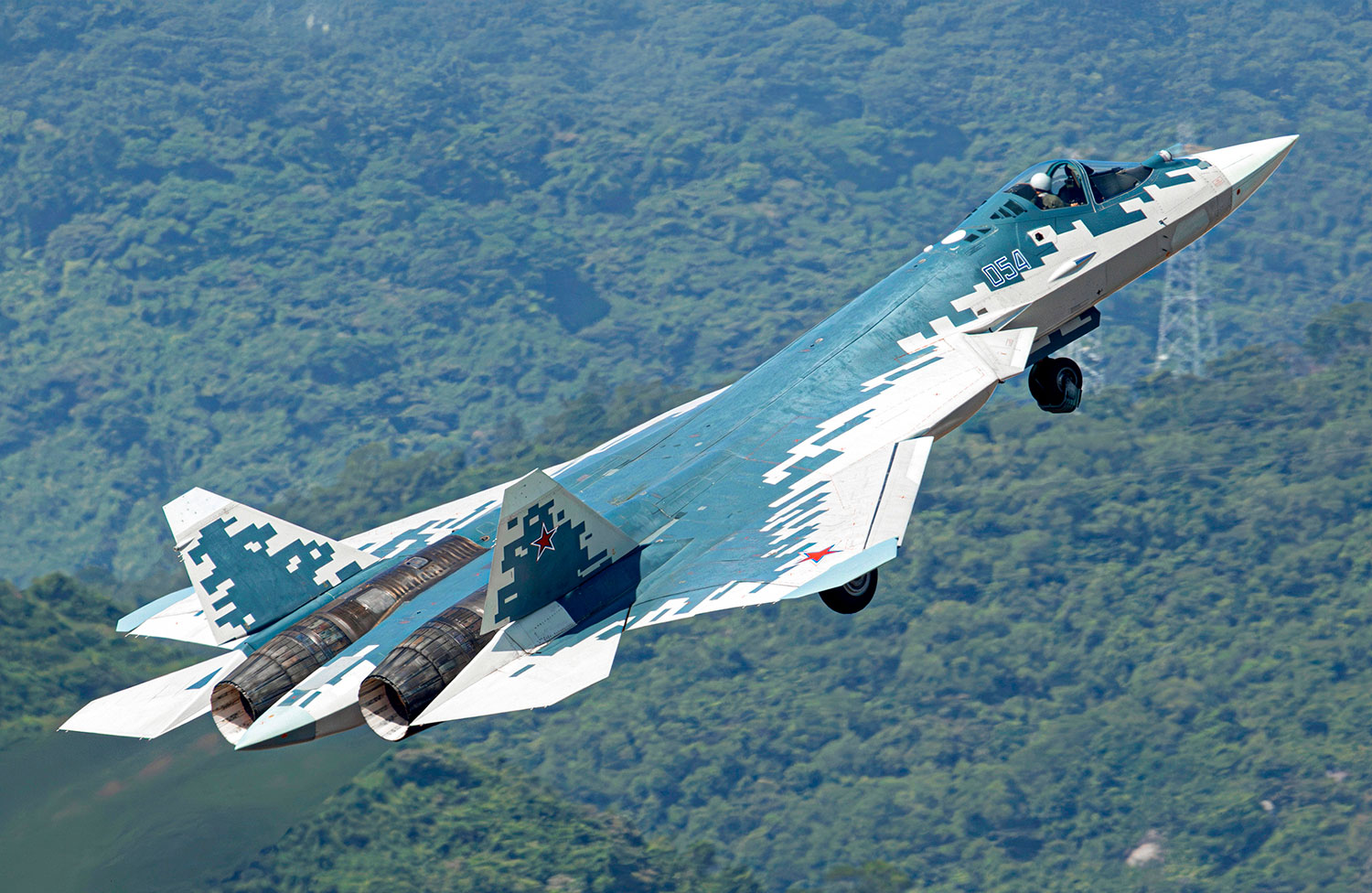
Russia's advanced Su-57 Felon fifth-generation fighter jet has drawn intense global focus, ranging from strategic evaluations against Western aircraft like the F-16 in Ukraine to high-profile offers made to international partners such as the Indian Air Force.
In-Depth Analysis
The Russian fifth-generation stealth fighter, the Su-57 Felon, has increasingly become a focal point of modern military aviation discussions, prompting intense analysis from defense experts across the globe. Recent developments have highlighted the aircraft's evolving role in strategic military drills, its potential combat interactions with Western-supplied fourth-generation platforms like the F-16, and significant export overtures directed toward major global defense partners.
In recent military exercises, the Su-57 has taken center stage within Russian armed forces training regimes. Defense analysts note that these drills are designed to showcase the jet's advanced avionics, supermaneuverability, and complex air-to-air as well as air-to-ground strike capabilities. As Moscow continues to refine the operational parameters of its premier stealth fighter, military observers are closely monitoring how the aircraft integrates into broader network-centric warfare frameworks.
Simultaneously, the geopolitical spotlight remains fixed on the potential operational dynamics between the Su-57 and Western military hardware deployed in conflict zones. Discussions frequently center on whether Russia's advanced stealth platform holds a definitive tactical advantage over aircraft such as the F-16 Falcon. While the Su-57 boasts low-observable characteristics, internal weapon bays, and advanced sensor fusion, military strategists caution that actual combat effectiveness depends heavily on pilot training, electronic warfare support, and robust command-and-control infrastructure. The ongoing conflict has thus transformed these technical comparisons into high-stakes subjects of international security assessments.
Beyond immediate tactical debates, the Su-57 has also emerged as a significant player in the global defense export market. Recent remarks from international military leadership, including hints from the Indian Air Force chief regarding foreign fifth-generation options in the event of domestic development delays, have brought the Russian offer back into the spotlight. India, which maintains a long-standing defense partnership with Moscow, has periodically evaluated advanced aerospace proposals as part of its ongoing modernization strategy for its air fleet. While domestic initiatives like the Advanced Medium Combat Aircraft remain the primary focus, the prospect of acquiring a proven fifth-generation platform continues to generate considerable strategic debate.
Defense economists and aerospace analysts point out that international interest in the Su-57 is balanced against complex geopolitical realities, including potential sanctions, technology transfer agreements, and the logistical challenges of maintaining advanced stealth platforms. Furthermore, competing offers from other global defense manufacturers mean that any potential acquisition must be weighed carefully against long-term national security and industrial capability goals.
Ultimately, the Su-57 Felon remains a symbol of Russia's continued investment in high-end military technology. Whether it is dominating headlines through tactical drills, being weighed against Western counterparts in modern air combat scenarios, or being actively pitched to foreign buyers seeking next-generation air superiority, the aircraft occupies a critical and contentious space in contemporary military aviation.
How do you feel about this story?
Discussion
No comments yet. Be the first to share your thoughts.
Join the discussion
Sign in to share your thoughts on this story.