BNN Summary
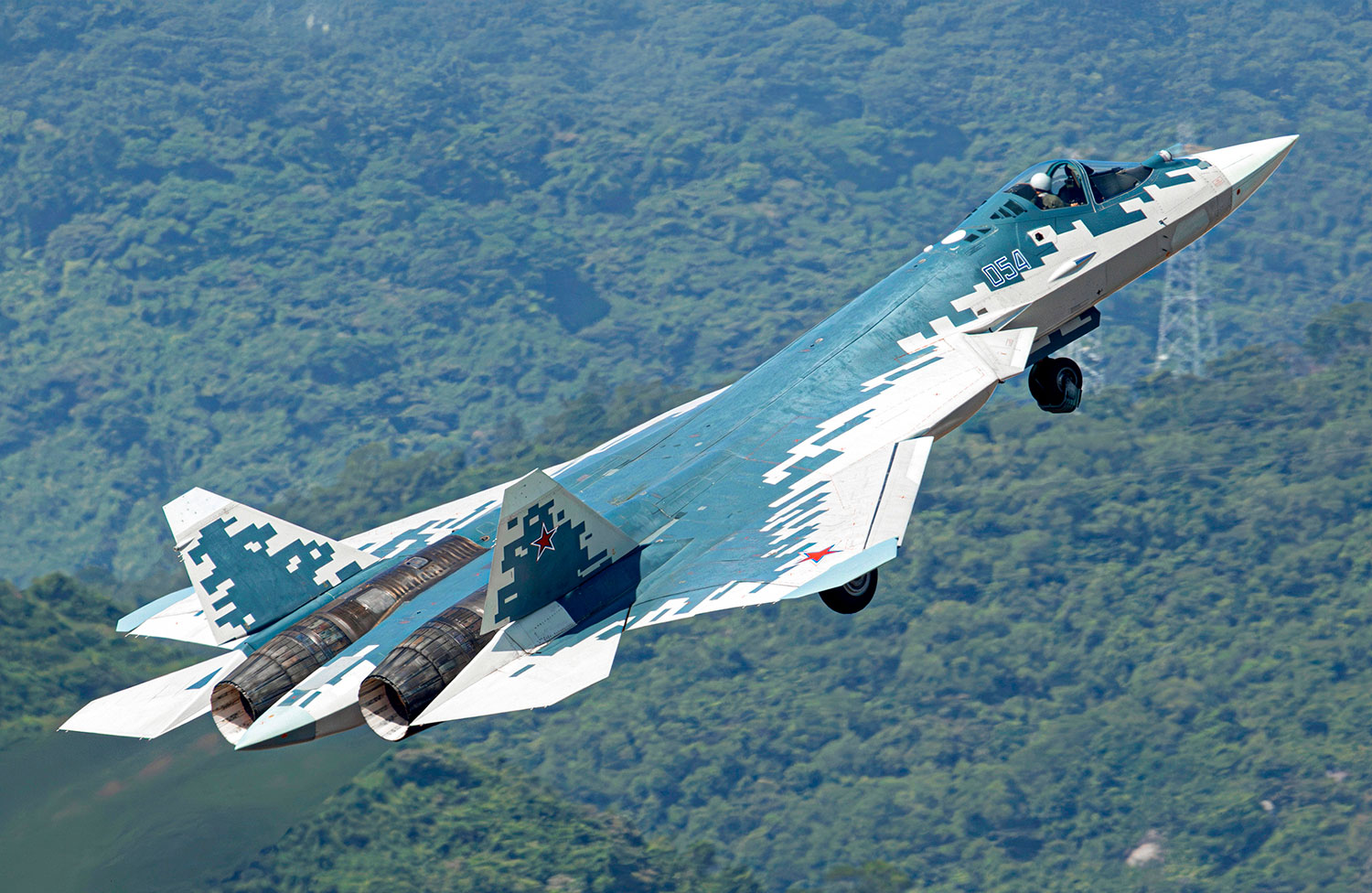
Russia has presented a sweetened proposal to India regarding the Su-57 stealth fighter jet, featuring technology transfer and domestic production options. This pitch arrives as New Delhi navigates its complex defence procurement roadmap, balancing indigenous development like the AMCA with acquisitions such as the Rafale, all while addressing growing fifth-generation aerial threats in the region.
In-Depth Analysis
The global defence landscape is witnessing a strategic recalibration as Moscow formally renews its push for the Su-57 stealth fighter aircraft within the Indian market. Industry observers note that the renewed overture comes complete with enhanced technology transfer provisions, local manufacturing incentives, and co-development opportunities tailored to meet New Delhi's stringent 'Make in India' mandates. This aggressive pitch is designed to test India's long-term military-aviation roadmap, which currently balances multi-role procurements like the Rafale, light combat aircraft development through the Tejas program, and the ambitious fifth-generation Advanced Medium Combat Aircraft (AMCA) initiative.
For decades, India and Russia have shared a robust military-technical partnership, with the South Asian nation operating significant volumes of Russian-origin hardware, including the Su-30MKI. However, the modern geopolitical environment presents unprecedented challenges. The rapid proliferation of fifth-generation stealth platforms across regional adversaries, particularly China's J-20 deployments, has added a sense of urgency to the Indian Air Force (IAF) capability enhancement plans. Defence analysts point out that while the IAF maintains a diverse fleet, the absence of an operational domestic fifth-generation fighter leaves a critical capability window open.
The Russian proposal for the Su-57 attempts to address this gap by offering a mature fifth-generation platform with proven avionics, supermaneuverability, and advanced radar-evading capabilities. Unlike previous iterations of military sales, Moscow has reportedly indicated a willingness to allow extensive domestic maintenance, repair, and overhaul (MRO) facilities on Indian soil, alongside potential partial source code integration. Such concessions are aimed at mitigating long-standing Indian concerns regarding lifecycle support, spare parts availability, and strategic autonomy in operational deployments.
Yet, the decision is far from straightforward for Indian military planners. The country is deeply invested in domestic aerospace development. The indigenous Tejas Light Combat Aircraft variants continue to form the backbone of near-term fleet replacement strategies, while the Advanced Medium Combat Aircraft (AMCA) represents the pinnacle of India's indigenous stealth ambitions. Introducing a foreign fifth-generation platform like the Su-57 could potentially divert financial resources, engineering talent, and institutional focus away from the state-backed AMCA project. Critics of the Russian acquisition argue that pouring capital into a foreign airframe might undermine India's goal of achieving complete self-reliance in military manufacturing.
Simultaneously, India's multi-role fighter aircraft requirements remain heavily contested. The ongoing operational integration of French-origin Rafale jets has proven exceptionally successful, leading to discussions about additional squadrons to bridge immediate numerical deficits in the air force. Introducing another heavy fifth-generation platform from a different technological ecosystem would increase logistical complexity, training overheads, and supply chain management challenges for the Indian Air Force, which already operates a notoriously diverse mix of Western, Russian, and domestic aircraft.
Furthermore, broader geopolitical considerations play a decisive role. India's evolving strategic alignment with Western democracies, combined with existing defence trade frameworks, means that major military acquisitions are no longer evaluated purely on technical merits and cost. Potential regulatory hurdles, international sanctions frameworks, and the imperative to maintain diversified strategic partnerships heavily influence New Delhi's calculus.
As discussions continue behind closed doors, military experts emphasize that any final decision will depend heavily on a rigorous evaluation of actual stealth signatures, radar performance, engine reliability, and the genuine feasibility of technology transfers. Whether India chooses to bypass an interim foreign fifth-generation fighter to focus exclusively on accelerating its indigenous AMCA program, or decides to leverage the Russian Su-57 offer to bolster its immediate aerial deterrence, remains one of the most critical strategic questions facing the nation's defence establishment in the coming decade.
How do you feel about this story?
Discussion
No comments yet. Be the first to share your thoughts.
Join the discussion
Sign in to share your thoughts on this story.