
BNN Summary
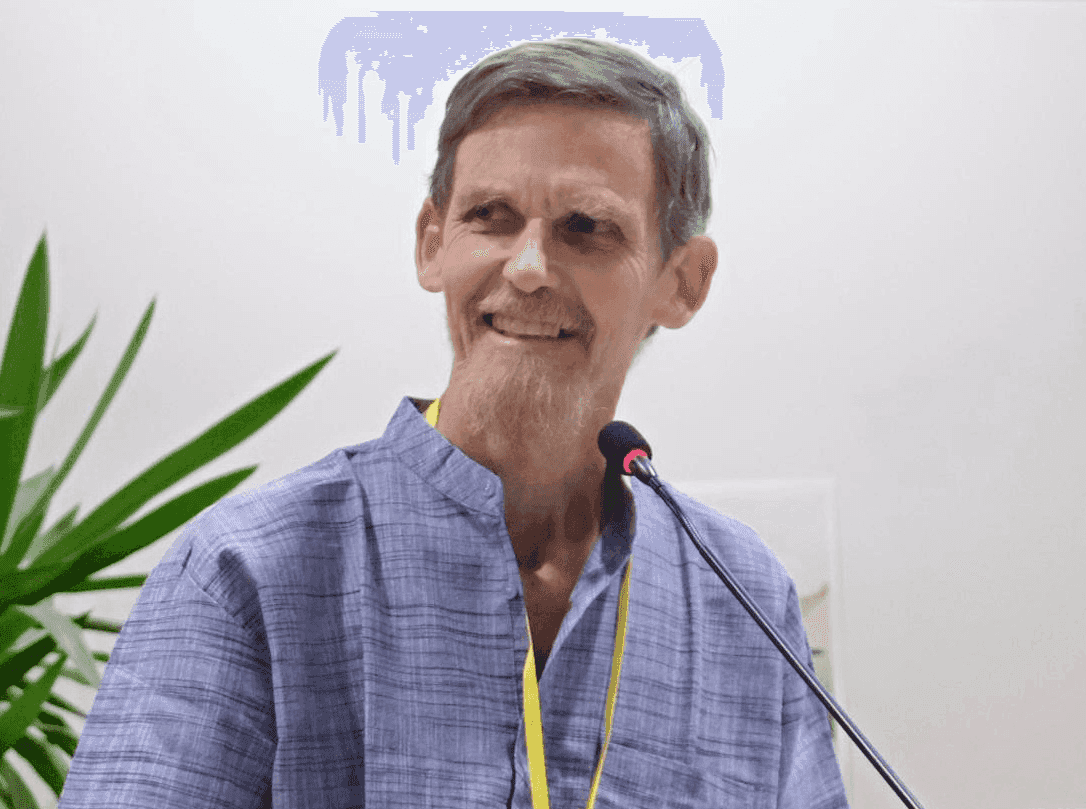
Prominent Belgian-born Indian economist and activist Jean Drèze was recently detained by Delhi Police during a demonstration at Jantar Mantar in New Delhi. Drèze, along with other activists supporting a Citizens for Justice and Peace protest against the Chief Election Commissioner, was held by law enforcement. Demonstrating solidarity with his fellow protesters, Drèze reportedly refused an early release, insisting he would only leave when everyone else detained alongside him was also freed.
In-Depth Analysis
Renowned economist and activist Jean Drèze found himself at the center of a tense situation in New Delhi when he was detained by Delhi Police during a public demonstration at Jantar Mantar. The protest, organized to voice opposition against the Chief Election Commissioner, drew a large gathering of civil rights activists, concerned citizens, and academics who sought to raise questions regarding institutional transparency and electoral integrity.
Drèze, who is widely recognized for his extensive academic work on development economics, poverty, and social security in India, had joined the gathering in solidarity. According to eyewitness accounts and reports from fellow demonstrators, law enforcement personnel moved in swiftly to clear the area, detaining several key figures without immediate formal explanation. Protesters on the ground expressed frustration, stating that police picked them up without providing clear reasons or prior warnings before transporting them to a local police station.
What drew significant public and media attention, however, was Drèze's steadfast stance following the detention. When authorities offered a prompt and selective release to the prominent economist—acknowledging his academic stature and foreign origins—Drèze firmly declined the offer. Insisting on collective accountability, he declared that he would remain in custody alongside the other detained activists. He reportedly stated that they had arrived together and would leave together, refusing to accept preferential treatment while lesser-known students, workers, and grassroots campaigners remained behind bars.
This incident highlights Drèze's long-standing commitment to social justice and grassroots solidarity, a hallmark of his decades-long engagement with Indian civil society. Born in Belgium, Drèze has lived and worked in India for many years, acquiring Indian citizenship and contributing profoundly to public policy discussions. He has previously been a key architect behind foundational social welfare legislations, including the Mahatma Gandhi National Rural Employment Guarantee Act (MGNREGA) and the Right to Food campaign, working closely with rural communities, marginalized populations, and labor unions.
The detention at Jantar Mantar sparked widespread condemnation from various opposition leaders, academic institutions, and human rights organizations across the country. Critics argued that the police action was a direct infringement on the fundamental democratic right to peaceful assembly and dissent. Civil society groups have repeatedly emphasized that peaceful protests form the bedrock of a healthy democracy, and targeting academics and activists who raise legitimate concerns sets a dangerous precedent for free speech.
As the debate surrounding the protection of democratic freedoms and the treatment of dissenting voices continues to intensify in India, the actions of individuals like Jean Drèze serve as a powerful reminder of principled resistance. His refusal to accept selective exemption underscores a deep-rooted belief in egalitarianism, reinforcing the notion that justice must apply equally to all citizens, regardless of their social standing or public recognition.
How do you feel about this story?
Discussion
No comments yet. Be the first to share your thoughts.
Join the discussion
Sign in to share your thoughts on this story.


