BNN Summary
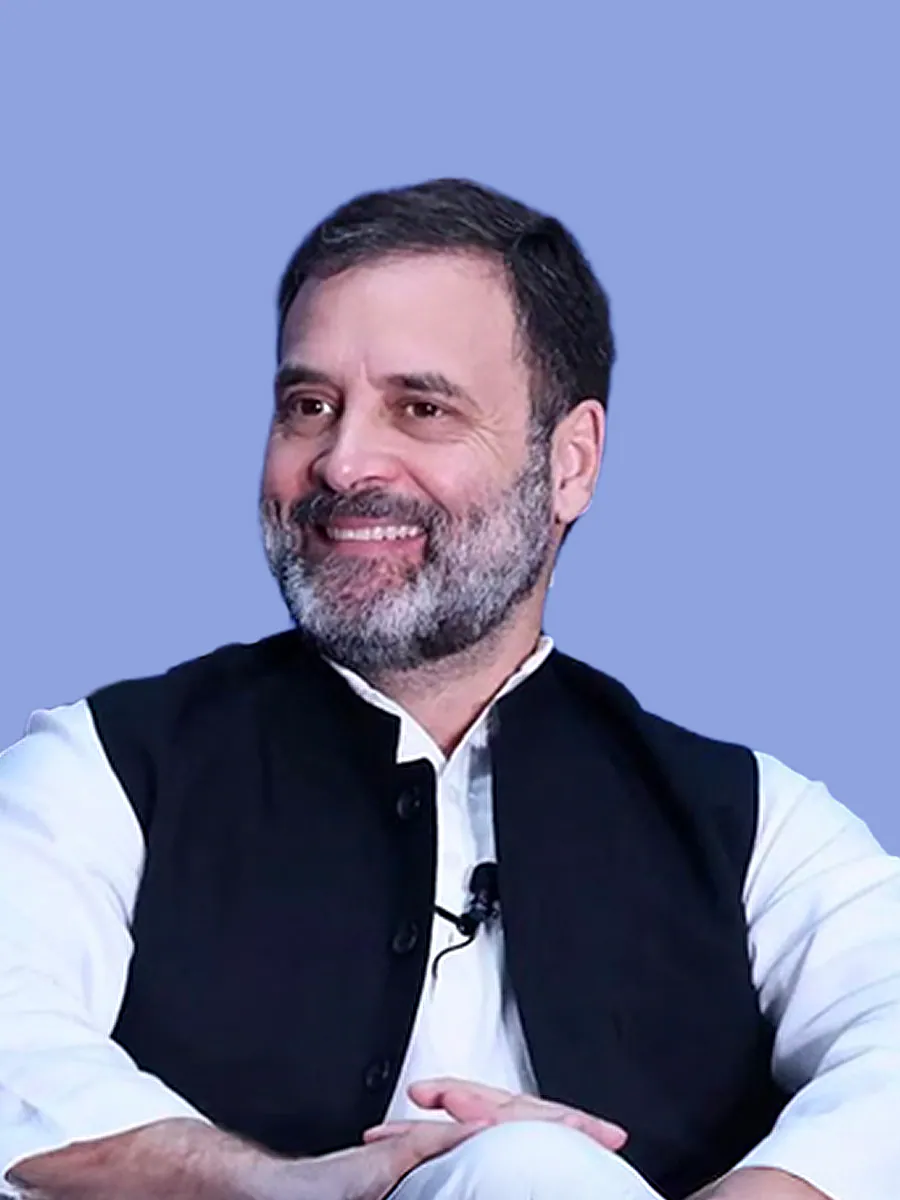
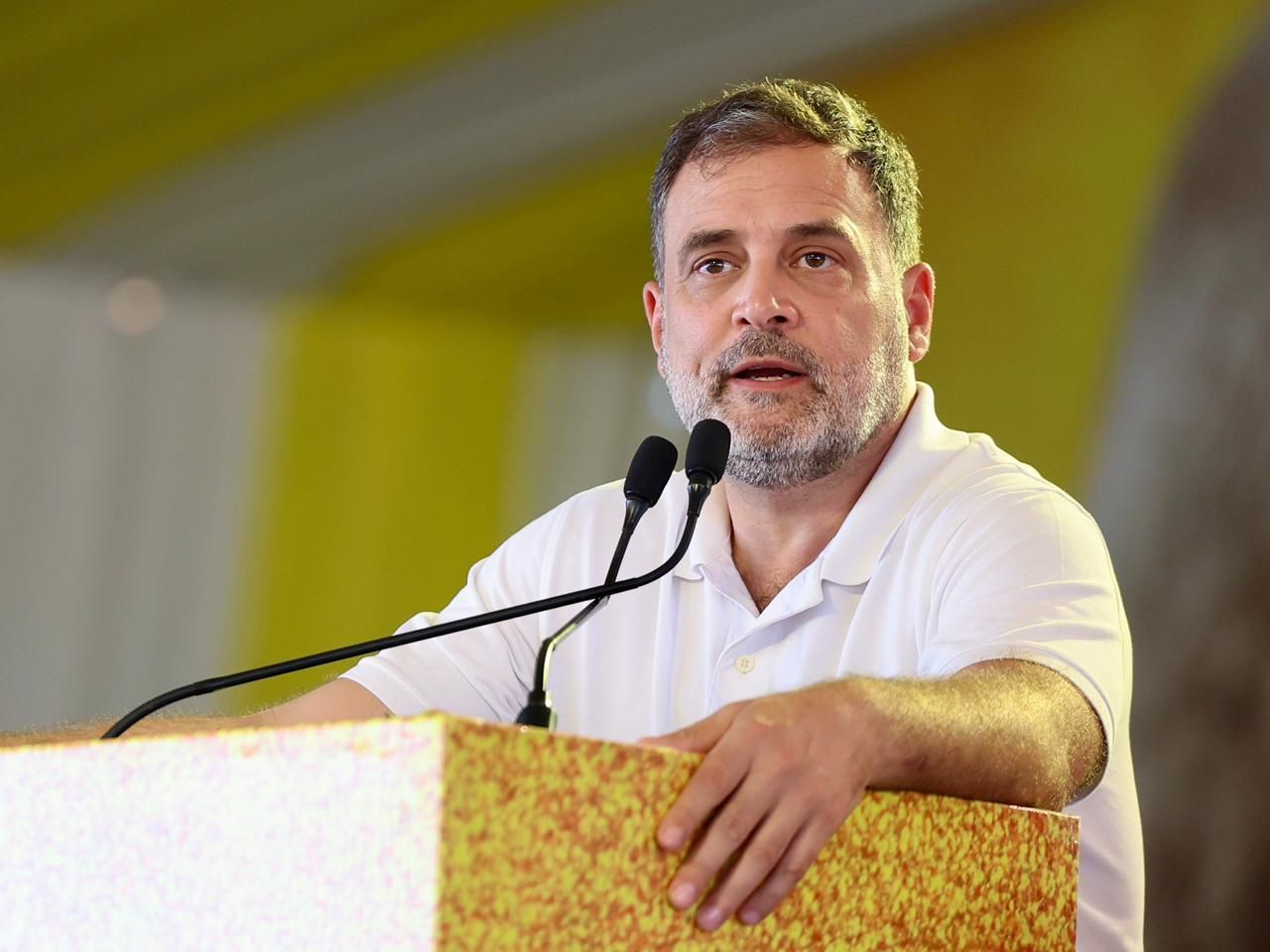
Opposition leaders from the INDIA bloc, led by Rahul Gandhi, staged a protest march towards the Supreme Court of India in New Delhi. The march followed the Chief Justice of India's decision to decline a meeting with political leaders regarding grievances against Chief Election Commissioner Gyanesh Kumar and concerns over institutional integrity.
In-Depth Analysis
High-voltage political drama unfolded in the national capital as senior leaders of the opposition INDIA bloc, led by Indian National Congress leader Rahul Gandhi, orchestrated a major protest march towards the Supreme Court of India in New Delhi. The demonstration was organized to express deep-seated dissatisfaction with the functioning of the Election Commission of India, specifically targeting Chief Election Commissioner Gyanesh Kumar over operational and procedural concerns regarding upcoming electoral exercises and institutional transparency.
The public demonstration gained momentum following reports that the Chief Justice of India had declined to grant an audience to a delegation of opposition political leaders. Opposition figures had formally sought an official meeting with the head of the judiciary to submit a detailed legal and administrative memorandum outlining their grievances regarding constitutional safeguards, voter roll integrity, and electoral fairness. However, citing standard judicial protocols, institutional decorum, and the constitutional separation of powers, the apex court leadership opted against receiving the political delegation, prompting opposition leaders to take their dissent directly to the streets.
Demonstrators gathered in large numbers along major avenues in central Delhi, carrying placards, waving party flags, and shouting slogans against institutional bias and democratic erosion. Senior parliamentarians from across various regional parties within the alliance joined Rahul Gandhi in leading the procession through the heart of the capital. Heavy security arrangements were deployed throughout the central administrative district, with Delhi Police setting up multi-tiered barricades, deploying riot control units, and reinforcing personnel to intercept the marchers before they could reach the immediate high-security perimeter of the Supreme Court premises.
Addressing party workers, media personnel, and legal observers on the ground, opposition leaders articulated severe criticism regarding recent regulatory decisions and the overall administration of electoral procedures under Chief Election Commissioner Gyanesh Kumar. The INDIA bloc reiterated its firm stance that neutral constitutional bodies must function without executive influence, arguing that institutional independence and complete transparency are vital for maintaining public confidence in democratic electoral outcomes.
The march drew swift and sharp reactions from ruling coalition representatives and political commentators. Government spokespersons dismissed the opposition rally as an ill-advised political stunt designed to pressure sovereign administrative institutions and mislead the public. They emphasized that procedural grievances ought to be addressed through designated constitutional and statutory channels rather than street protests aimed at judicial headquarters.
Legal experts and constitutional analysts noted that while political rallies are routine in the national capital, directing a march toward the Supreme Court highlights a rare tactical escalation in political strategy. The apex court's decision to maintain strict distance from the political delegation underscores the judiciary's commitment to avoiding partisan entanglements, even as political friction between the opposition and statutory authorities continues to escalate across the country.
How do you feel about this story?
Discussion
No comments yet. Be the first to share your thoughts.
Join the discussion
Sign in to share your thoughts on this story.