BNN Summary
Gold and silver prices have recorded a noticeable upward movement across various markets, including major metropolitan areas and tier-two cities. Market analysts attribute this recent appreciation in precious metal values to shifting domestic demand and evolving international market dynamics. Consumers and investors are closely monitoring these rate fluctuations as festive and wedding seasons approach, which traditionally drive physical buying trends across the country.
In-Depth Analysis
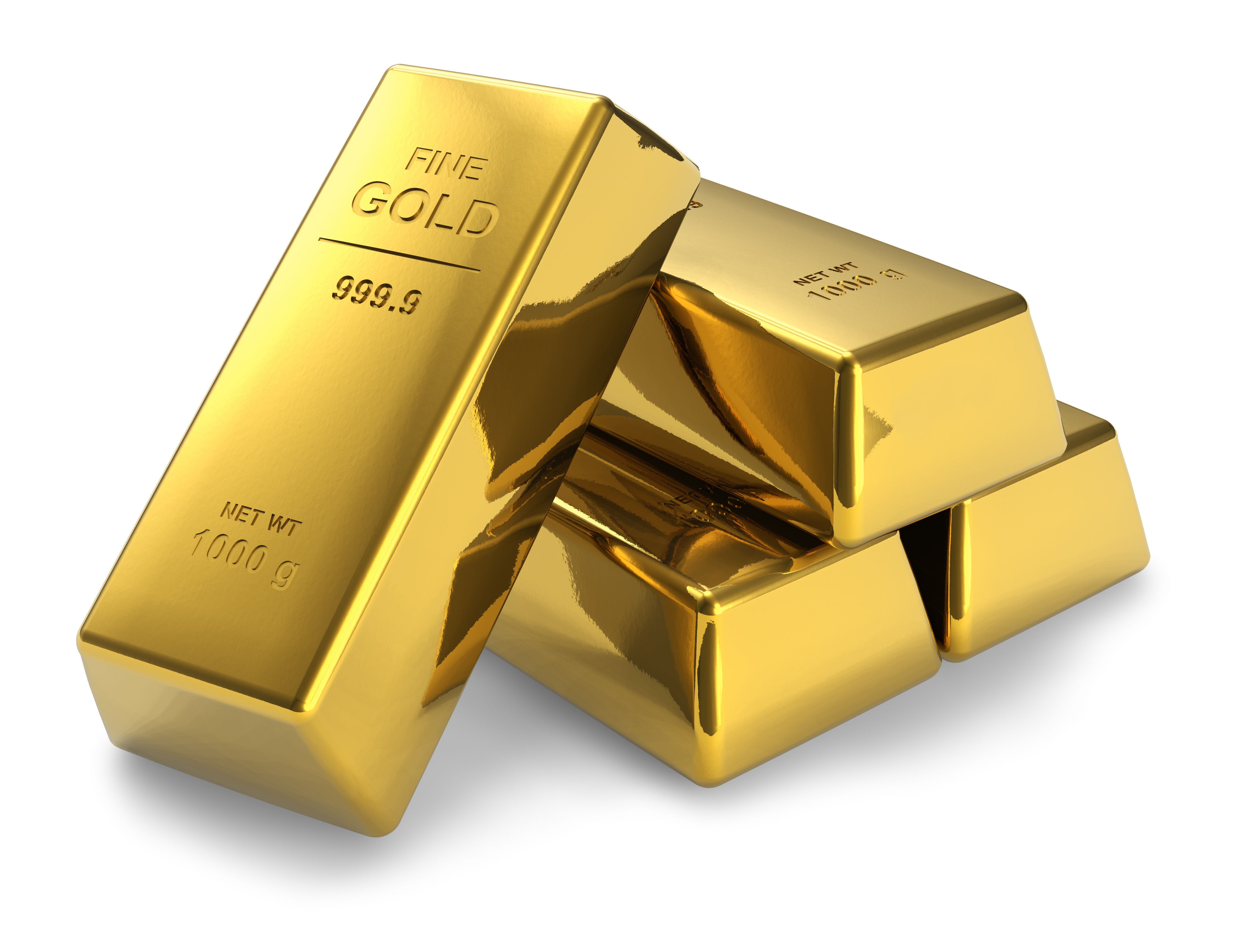
Gold and silver prices have registered a notable upward trend across domestic markets, drawing the attention of both retail consumers and institutional investors. Market monitors reported gains in the value of both precious metals, reflecting sustained demand and broader economic influences shaping the bullion sector.
In various regional markets and urban centers, including major commercial hubs as well as smaller cities like Kanpur and Tikamgarh, retail buyers are observing closely adjusted rates for both 22-carat and 24-carat gold. The continuous tracking of these daily price movements has become a routine for households preparing for upcoming festive occasions, traditional ceremonies, and wedding seasons, which historically witness a surge in physical gold and silver acquisitions.
Industry experts note that several interconnected factors contribute to the ongoing price momentum in the bullion market. International market trends, currency fluctuations, and shifting investor sentiment toward safe-haven assets play a pivotal role in determining daily gold and silver valuations. When global economic uncertainties rise, investors frequently pivot toward precious metals to hedge against inflation and currency volatility, thereby exerting upward pressure on spot prices.
Furthermore, domestic demand dynamics remain a powerful catalyst within the Indian market. Physical gold continues to hold profound cultural and financial significance, serving not only as an ornament but also as a reliable long-term store of value. Even during periods of elevated pricing, consumer appetite for lightweight jewellery, coins, and bullion bars remains relatively resilient, supported by structured buying plans offered by major jewelers and financial institutions.
Silver has similarly experienced positive price movements alongside gold. Industrial demand for silver, driven by its essential applications in electronics, green energy technologies, and photovoltaic cells, adds a distinct layer of demand compared to gold, which is primarily held for investment and adornment. This dual utility of silver often leads to pronounced price volatility, making it a closely watched commodity for short-term traders and industrial manufacturers alike.
Financial advisors recommend that retail investors maintain a balanced approach when purchasing gold or silver during periods of price appreciation. While physical possession of the yellow metal remains a traditional favorite, digital gold, sovereign gold bonds, and exchange-traded funds offer alternative avenues for participation without the associated storage and security concerns of physical bullion. As market conditions continue to evolve, stakeholders across the precious metals ecosystem will remain vigilant, tracking both global macroeconomic indicators and local consumer trends to gauge the trajectory of gold and silver prices in the near future.
How do you feel about this story?
Discussion
No comments yet. Be the first to share your thoughts.
Join the discussion
Sign in to share your thoughts on this story.