BNN Summary
India and China are witnessing a renewed phase of diplomatic communication, underscored by high-level interactions and discussions on economic cooperation. The Ministry of External Affairs has highlighted sustained bilateral talks, while Commerce and Industry Minister Piyush Goyal has pointed toward potential avenues for renewed commercial engagement, suggesting a balanced approach to managing diplomatic differences alongside economic opportunities.
In-Depth Analysis
The diplomatic and economic landscape between India and New Delhi's northern neighbor has entered a notable phase of active discussion and strategic recalibration. Recent developments indicate a concerted effort by both nations to maintain regular communication channels, balancing security concerns with pragmatic economic considerations. The Ministry of External Affairs has consistently emphasized the importance of sustained diplomatic dialogue, pointing to recent high-level contacts that have provided a platform for leaders to address critical bilateral issues.
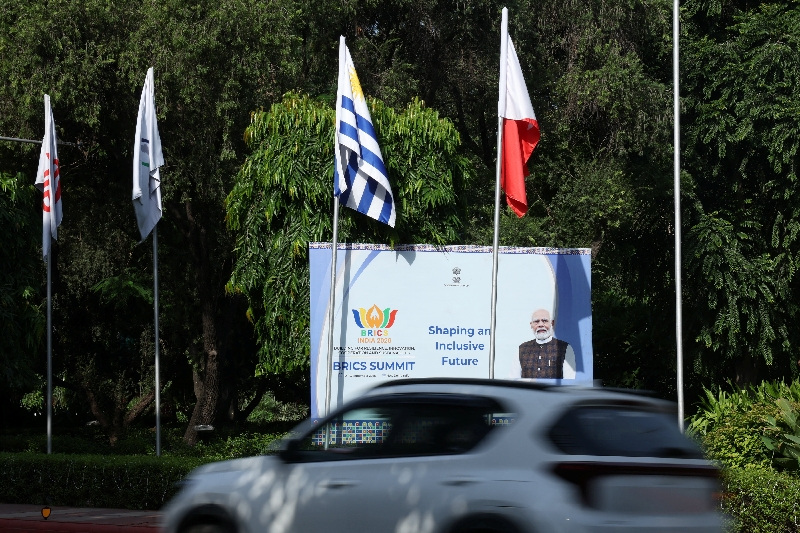
At the core of these diplomatic maneuvers is a recognition that maintaining open channels of communication is vital for regional stability. Highlighting recent high-level diplomatic contact, officials noted that critical summit-level meetings have taken place, including encounters during major multilateral forums such as the BRICS Summit. During these engagements, leadership from both sides has had the opportunity to discuss pressing geopolitical matters, territorial stability, and the broader framework of international cooperation.
Concurrently, the economic dimension of the bilateral relationship has drawn significant attention from trade policymakers. Union Commerce and Industry Minister Piyush Goyal recently signaled that there is measurable scope for renewed economic and commercial engagement under appropriate conditions. While India remains cautious regarding strategic sectors and trade deficits, the prospect of targeted economic cooperation highlights a pragmatic willingness to explore mutual benefits where interests align.
Observers note that the trajectory of India-China relations continues to be defined by a complex interplay of strategic competition and economic interdependence. Trade volumes between the two nations have remained robust despite political headwinds, underscoring the deep integration of supply chains in specific industrial sectors. However, New Delhi has maintained a firm stance that normalization of broader ties is contingent upon the restoration of peace and tranquility along the Line of Actual Control.
The Ministry of External Affairs has reiterated that ongoing diplomatic and military talks serve as the primary mechanism for resolving outstanding border friction. Both sides have utilized existing bilateral consultation frameworks to discuss disengagement and de-escalation strategies. While progress has been incremental, the continuity of these discussions reflects a shared understanding that prolonged stalemate serves no strategic or economic purpose.
Looking ahead, policymakers in both capitals face the challenge of navigating domestic political expectations while managing a vital bilateral relationship. The signals from trade leadership, combined with ongoing diplomatic engagement, suggest a calculated move toward stabilizing ties. As both nations participate in upcoming regional and global summits, the international community will be closely watching whether these sustained conversations translate into tangible breakthroughs in border management and economic partnership.
How do you feel about this story?
Discussion
No comments yet. Be the first to share your thoughts.
Join the discussion
Sign in to share your thoughts on this story.