BNN Summary
Natarajan Chandrasekaran has agreed to stay on as the head of the Tata Group, bringing a measure of stability to the sprawling conglomerate amid a severe boardroom clash. While his extension has provided a welcome boost to several Tata group stocks, challenges remain as markets grapple with underlying governance complexities.
In-Depth Analysis
Natarajan Chandrasekaran has agreed to continue his leadership role at the helm of the Tata Group, a decision that comes at a critical juncture for India's largest and most influential multinational conglomerate. The announcement follows weeks of intense boardroom deliberations and escalating corporate friction that threatened to destabilize executive oversight across the group's diverse business verticals. By choosing to stay, Chandrasekaran provides vital continuity, though the broader corporate ecosystem continues to navigate complex governance and operational hurdles.
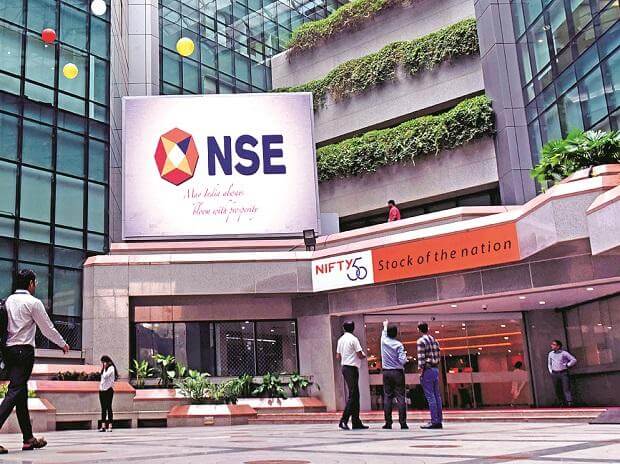
The confirmation of his extended tenure immediately reverberated through the financial markets. Investors reacted with a wave of buying across several Tata group entities, driving up stock valuations as market participants welcomed the reassurance of experienced leadership at the top. However, the market response was notably bifurcated. While legacy holding companies and select manufacturing firms saw a positive lift in share prices, shares of Tata Consultancy Services (TCS), the group's crown jewel IT services arm, remained relatively subdued. Financial analysts attribute this divergence to distinct macroeconomic headwinds facing the technology sector, alongside lingering investor caution regarding the deeper strategic implications of the recent boardroom friction.
Corporate watchers and financial commentators note that the ongoing tensions within the upper echelons of the conglomerate highlight the formidable challenges involved in managing such a vast empire. The Tata Group spans a dizzying array of industries, ranging from steel production, automotive manufacturing, and aviation to consumer retail, chemicals, and digital software services. Maintaining strategic alignment, financial discipline, and a unified corporate culture across these disparate sectors requires immense diplomatic skill and administrative acumen. Chandrasekaran has long been regarded as a steady hand capable of balancing traditional values with aggressive modern expansion, making his continued leadership a cornerstone of the group's stabilization strategy.
Market experts suggest that while Chandrasekaran's decision to remain temporarily defuses immediate leadership uncertainty, the underlying complexities within the boardroom will require sustained diplomatic engagement and structural clarity. Global markets and institutional investors are expected to monitor the conglomerate closely in the coming quarters to gauge how effectively executive leadership addresses internal dissent and steers upcoming strategic initiatives. As the Tata Group embarks on its next phase of growth, particularly in capital-intensive sectors like green energy, semiconductor manufacturing, and advanced technology, the ability of Chandrasekaran and his management team to maintain investor confidence will remain paramount.
The resolution of this immediate leadership crisis underscores the critical importance of robust corporate governance in major global enterprises. Stakeholders across the financial landscape will be watching intently to see whether this extension translates into long-term stability and renewed shareholder value creation across all group companies.
How do you feel about this story?
Discussion
No comments yet. Be the first to share your thoughts.
Join the discussion
Sign in to share your thoughts on this story.
:max_bytes(150000):strip_icc()/National_Stock_exchange_Mumbai-7f589a0d7ae248408ad1c8f9ffd97584.jpg)