BNN Summary
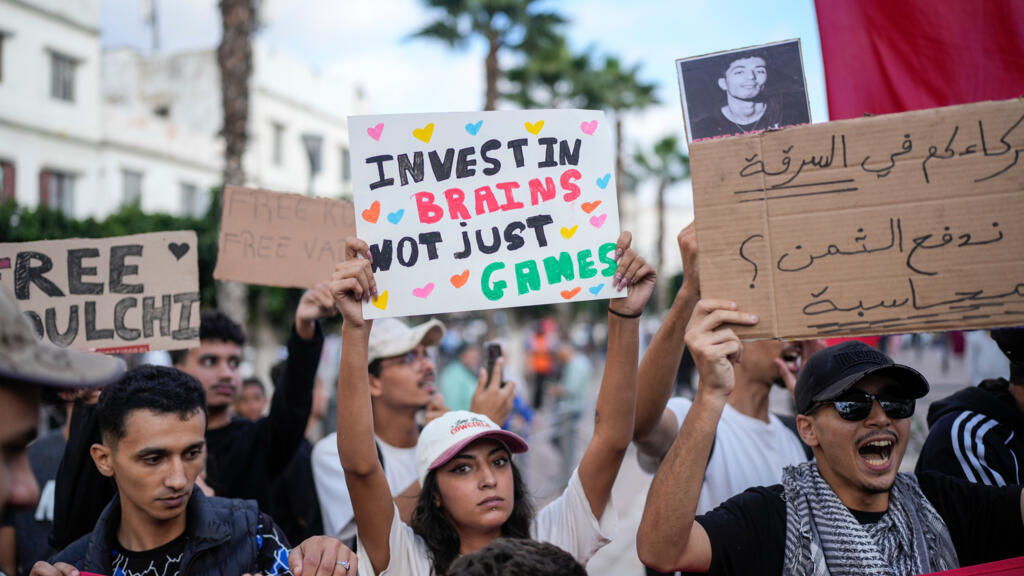
As Morocco prepares for upcoming parliamentary elections, the political landscape faces a defining moment regarding the engagement and faith of its younger population. Observers and analysts are closely monitoring whether young voters will participate or continue to show apathy toward traditional political institutions amid socio-economic challenges.
In-Depth Analysis
Morocco is currently bracing for a significant political test as upcoming parliamentary elections approach, with the primary focus centered on the country's youth and their shifting perceptions of the political process. For years, policymakers, political analysts, and international observers have expressed growing concern over a widening gap between the younger demographic and traditional governance structures. This impending electoral cycle is widely viewed as a critical barometer to measure whether young Moroccans are willing to engage with institutional politics or if deep-seated disillusionment will prevail.
Demographically, Morocco boasts a substantial youth population, with a significant percentage of citizens under the age of thirty. This demographic weight possesses the theoretical capacity to completely reshape the country's political dynamics, influence policy formulation, and dictate the electoral fortunes of major political parties. However, despite their numerical strength, youth voter turnout has historically lagged behind older demographics. Many young citizens cite persistent socio-economic hurdles, including high youth unemployment rates, regional economic disparities, and a perceived disconnect between elected officials and grassroots realities, as primary drivers of their political detachment.
Political parties across the spectrum have recognized this challenge and are attempting to recalibrate their outreach strategies to appeal to younger voters. Traditional campaign rallies and lengthy manifestos are increasingly being supplemented by digital campaigns, social media engagement, and promises of economic reform, job creation, and enhanced educational opportunities. Despite these efforts, skepticism remains deeply entrenched. Numerous young Moroccans argue that successive governments have failed to deliver tangible improvements in their daily lives, leading to a cynical view that electoral outcomes do little to alter systemic socio-economic constraints.
Civil society organizations and independent watchdogs are playing a vital role in encouraging civic participation through voter education programs and grassroots awareness campaigns. These initiatives emphasize that political disengagement only perpetuates the status quo and that active participation is essential for driving meaningful policy changes. Furthermore, recent regional developments and global economic pressures have heightened the urgency for young people to make their voices heard on critical issues such as climate change, digital transformation, and sustainable economic development.
As election day draws closer, the central question remains whether political parties can successfully bridge the trust deficit and convince the youth that their votes hold genuine transformative power. The turnout rates and the level of active involvement from the younger demographic will not only determine the composition of the next parliament but will also set the tone for Morocco's political stability and democratic maturation for years to come. The outcome will serve as a definitive indicator of the evolving relationship between the state and its youngest citizens, highlighting whether institutional politics can successfully adapt to the demands of a modernizing society.
How do you feel about this story?
Discussion
No comments yet. Be the first to share your thoughts.
Join the discussion
Sign in to share your thoughts on this story.