BNN Summary
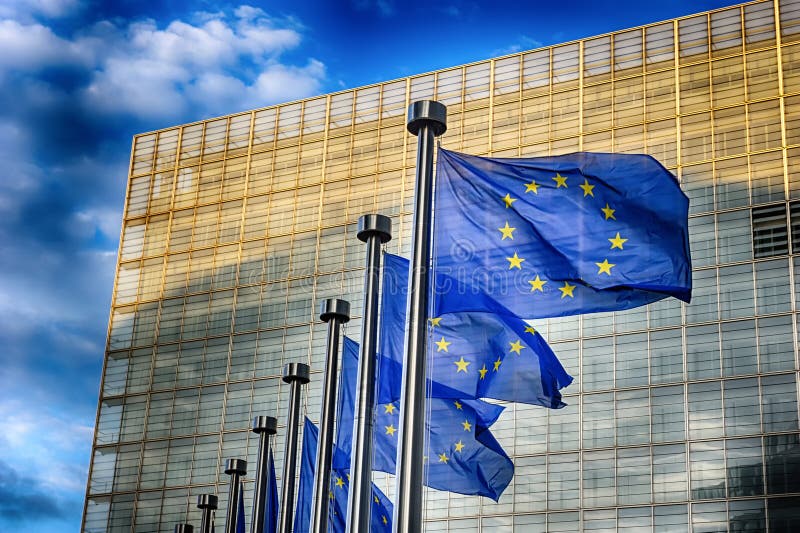
Montenegro is advancing rapidly in its European Union accession negotiations, setting an ambitious target to finalize reforms and become the 28th member state by 2028. Officials in Podgorica are intensifying legislative efforts to meet remaining integration benchmarks.
In-Depth Analysis
Montenegro has officially entered the crucial final stretch of its long-standing journey toward European Union accession, setting an ambitious and highly anticipated goal to become the bloc's twenty-eighth member state by the year 2028. Political leaders and institutional representatives in Podgorica are working tirelessly to accelerate structural reforms, align national legislation with the rigorous acquis communautaire, and satisfy all remaining benchmarks required for full integration.
Over the past several months, the government of Montenegro has renewed its commitment to meeting the criteria set forth by Brussels. The renewed momentum is seen as a vital opportunity not only for Montenegro but for the entire Western Balkans region, which has experienced a prolonged period of stagnation regarding EU enlargement. By demonstrating tangible progress in critical areas such as the rule of law, the fight against corruption, and the strengthening of democratic institutions, Podgorica hopes to serve as a frontrunner and a reliable partner in the enlargement process.
At the heart of Montenegro's strategy is the successful closure of remaining negotiating chapters. European Commission officials have repeatedly praised the small Balkan nation for its steadfast alignment with the EU's common foreign and security policy, including full adherence to restrictive measures and sanctions. This consistent geopolitical alignment has earned Podgorica significant political capital in Brussels, reinforcing the narrative that the country is ready to take the final steps toward full membership.
However, significant challenges remain on the horizon. Observers and policy analysts note that while legislative frameworks have seen substantial improvements, effective implementation and enforcement on the ground remain the ultimate test. Judicial reforms, freedom of the press, and the enhancement of administrative capacities are subjects of constant scrutiny by European monitors. The upcoming reporting cycles will be critical in determining whether Montenegro can maintain its current pace without compromising the quality of its governance reforms.
Public sentiment within Montenegro continues to be overwhelmingly supportive of European integration. Opinion polls consistently show that a vast majority of citizens view EU membership as the primary anchor for economic stability, modernization, and democratic consolidation. Civil society organizations are also playing an active role, holding public debates, monitoring government actions, and ensuring transparency throughout the accession process.
As the target year of 2028 approaches, European diplomats are watching closely to see if Podgorica can sustain this reform-driven momentum. If successful, Montenegro's accession could breathe new life into the EU enlargement agenda, proving that rigorous reforms combined with political will can yield historic results for aspiring candidate countries.
How do you feel about this story?
Discussion
No comments yet. Be the first to share your thoughts.
Join the discussion
Sign in to share your thoughts on this story.