
BNN Summary
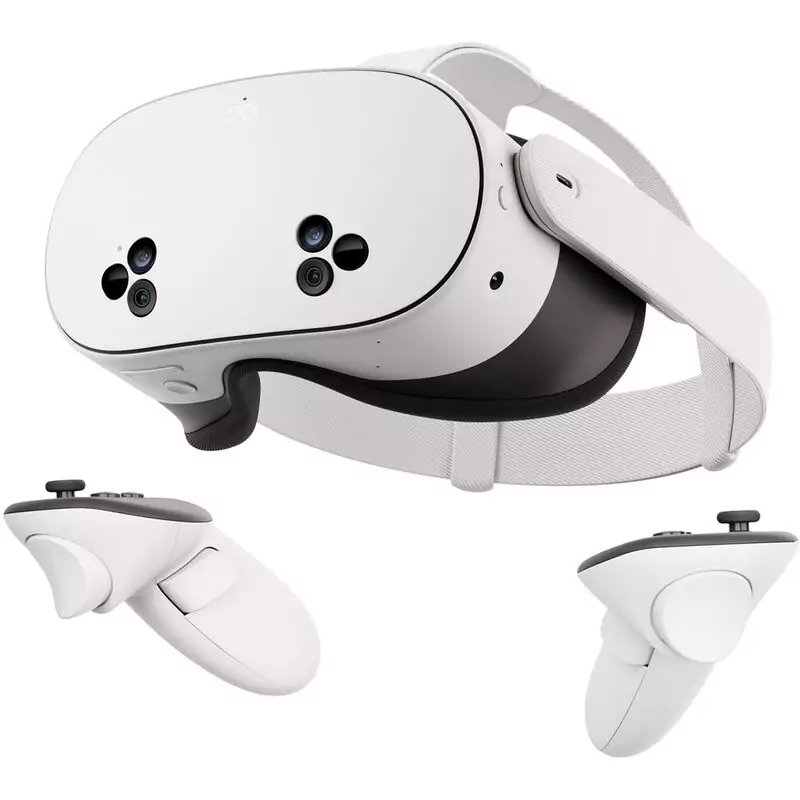
Meta has announced its latest hardware innovation, introducing advanced lightweight virtual reality glasses priced at $1,299. Industry experts and early testers have praised the device as a major leap forward for immersive computing, marking the most significant headset development since the Oculus Quest 2.
In-Depth Analysis
Meta has officially shaken up the extended reality market by revealing its highly anticipated virtual reality glasses during the annual Connect event. Priced at $1,299, this cutting-edge device represents a massive paradigm shift in how consumers and enterprise professionals interact with digital environments. Unlike previous bulky iterations that often caused user fatigue during extended sessions, Meta's new engineering marvel focuses heavily on ergonomics, aesthetic appeal, and extreme portability without sacrificing raw computational power.
Industry insiders and early reviewers who managed to get hands-on time with the headset have lauded its incredible display fidelity and lightweight frame. Many are already calling it the most remarkable virtual reality headset to launch since the groundbreaking Oculus Quest 2 redefined the market years ago. The sleek profile allows users to wear the glasses for hours on end, bridging the gap between traditional eyewear and high-performance spatial computing hardware.
Breakthrough Design And Ergonomics
The engineering team behind the project tackled one of the most persistent challenges in virtual reality development: weight distribution and thermal management. By utilizing advanced material sciences and custom micro-displays, Meta successfully reduced the overall footprint of the device. The arms of the glasses are slim, housing sophisticated audio drivers that deliver spatial sound without the need for cumbersome over-ear headphones. The face cushion utilizes breathable, modular fabrics that adapt to various facial structures, ensuring a comfortable fit for diverse user bases.
Display Technology And Performance
At the core of the new virtual reality glasses are state-of-the-art pancake lenses paired with high-resolution micro-OLED panels. This combination effectively eliminates the screen-door effect that plagued earlier generations of VR hardware, offering crystal-clear text rendering and vibrant color reproduction. The field of view has been significantly widened, drawing users deeper into virtual workspaces, interactive simulations, and immersive entertainment experiences.
Powered by a custom-designed silicon chipset optimized for spatial computing, the glasses handle complex graphical rendering with minimal latency. Eye-tracking and hand-tracking sensors are seamlessly integrated into the inner bezel, allowing for intuitive, controller-free navigation. Users can simply look and pinch to interact with floating UI elements, transforming any physical room into an infinite digital canvas.
Market Position And Future Outlook
With a price tag of $1,299, Meta is targeting early adopters, tech enthusiasts, and professionals who require high-end spatial computing tools for design, collaboration, and productivity. While the price point places it firmly in the premium category, the technological advancements packed into the lightweight chassis justify the investment for those seeking the absolute pinnacle of current VR engineering.
As developer kits roll out and software ecosystems expand to fully leverage the new hardware capabilities, Meta's latest offering is poised to redefine consumer expectations. The device signals a mature turning point for the industry, moving away from experimental bulkiness toward sleek, everyday wearable technology that seamlessly integrates into modern digital lifestyles.
How do you feel about this story?
Discussion
No comments yet. Be the first to share your thoughts.
Join the discussion
Sign in to share your thoughts on this story.


