BNN Summary
Greenland faces severe environmental changes as the Qaanaaq Ice Cap experiences massive ice loss, triggering international scientific alarm. Concurrently, the region has drawn significant geopolitical attention following high-stakes diplomatic maneuvers involving former US President Donald Trump and transatlantic allies, highlighting the island's growing strategic and ecological importance on the global stage.
In-Depth Analysis
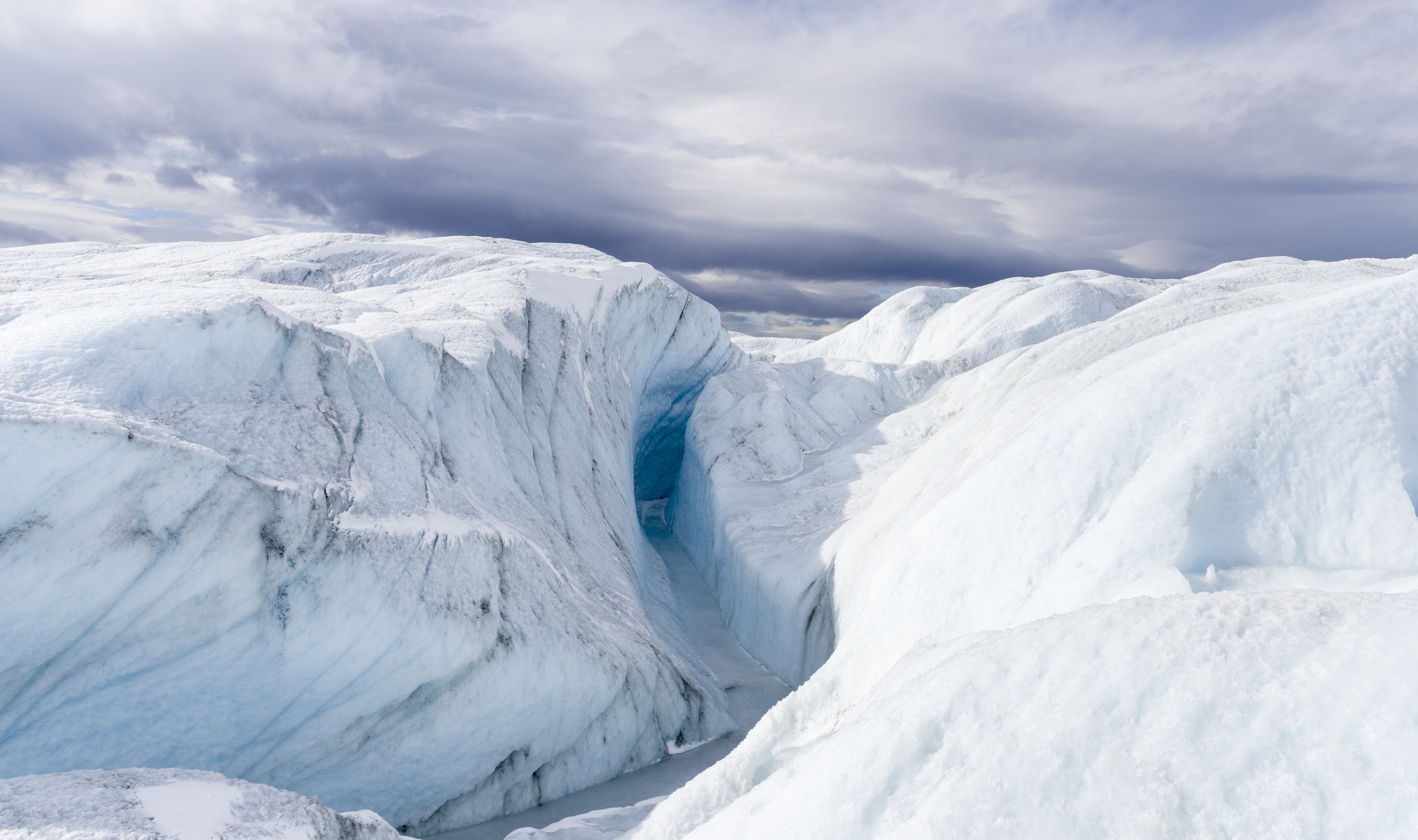
Greenland has recently emerged as a focal point for both critical environmental studies and intense geopolitical maneuvering. Recent scientific findings from the Qaanaaq Ice Cap indicate a staggering loss of glacial mass, equivalent to a layer of water approximately eight meters deep. This alarming rate of melting underscores the accelerated pace of climate change in the Arctic, threatening global sea levels and disrupting indigenous ecosystems that have relied on stable ice conditions for generations. Glaciologists and environmental researchers warn that the disappearance of such massive ice formations is not an isolated event, but rather a symptom of broader warming trends sweeping through the polar regions. The environmental degradation of Greenland's ice sheet has far-reaching consequences, prompting international calls for enhanced climate monitoring and stricter global emissions reductions to mitigate further catastrophic losses.
Simultaneously, Greenland's strategic geographic location has catapulted the semi-autonomous territory into the center of complex diplomatic negotiations among global superpowers and transatlantic allies. The island's vast mineral resources, untapped rare earth elements, and critical positioning in the Arctic shipping lanes have made it a coveted asset for major nations seeking to expand their geopolitical influence. In recent years, tensions flared following provocative statements from former US President Donald Trump regarding the potential acquisition of the territory. These remarks initially strained relations between Washington and its European allies, particularly Denmark, which maintains sovereignty over Greenland's foreign and defense policies.
However, rather than escalating into a prolonged diplomatic crisis, the situation eventually yielded a more pragmatic resolution. Analysts note that Donald Trump ultimately settled for a diplomatic and cooperative framework designed to avoid further alienating vital transatlantic allies while still addressing American strategic interests in the Arctic. This diplomatic compromise emphasizes security cooperation, economic partnership, and joint scientific endeavors rather than unilateral territorial ambitions. The resulting framework aims to balance the security demands of the North Atlantic Treaty Organization with the sovereign rights and economic aspirations of Greenlandic leaders and the Danish government.
The intersection of rapid environmental decline and heightened geopolitical competition places Greenland in a remarkably unique position in modern history. As the ice continues to melt, opening up new maritime routes and access to subterranean resources, local authorities are navigating a delicate path toward greater self-reliance and economic development. The international community, meanwhile, is forced to reconcile its strategic ambitions in the Arctic with the urgent need to protect the fragile polar environment. Ultimately, the dual narratives of Greenland's melting ice cap and the evolving transatlantic agreements illustrate how climate change and geopolitics are increasingly intertwined, shaping the future of the world's largest island and the global community at large.
How do you feel about this story?
Discussion
No comments yet. Be the first to share your thoughts.
Join the discussion
Sign in to share your thoughts on this story.