
BNN Summary
An intensifying Senate contest in deep-red Kansas is upending conventional midterm calculations, forcing national party strategists to divert substantial resources into previously safe territory.
In-Depth Analysis
The battle for control of the United States Senate has expanded into traditionally secure conservative territory, with Kansas emerging as an unexpected flashpoint in the midterm elections. For decades, the Sunflower State has served as a reliable bastion for the Republican Party in federal contests, having not sent a Democrat to the upper chamber of Congress since 1932. However, shifting demographic trends, evolving suburban allegiances, and intense national polarization have transformed the state into a competitive battleground that is drawing significant national attention and financial investment.
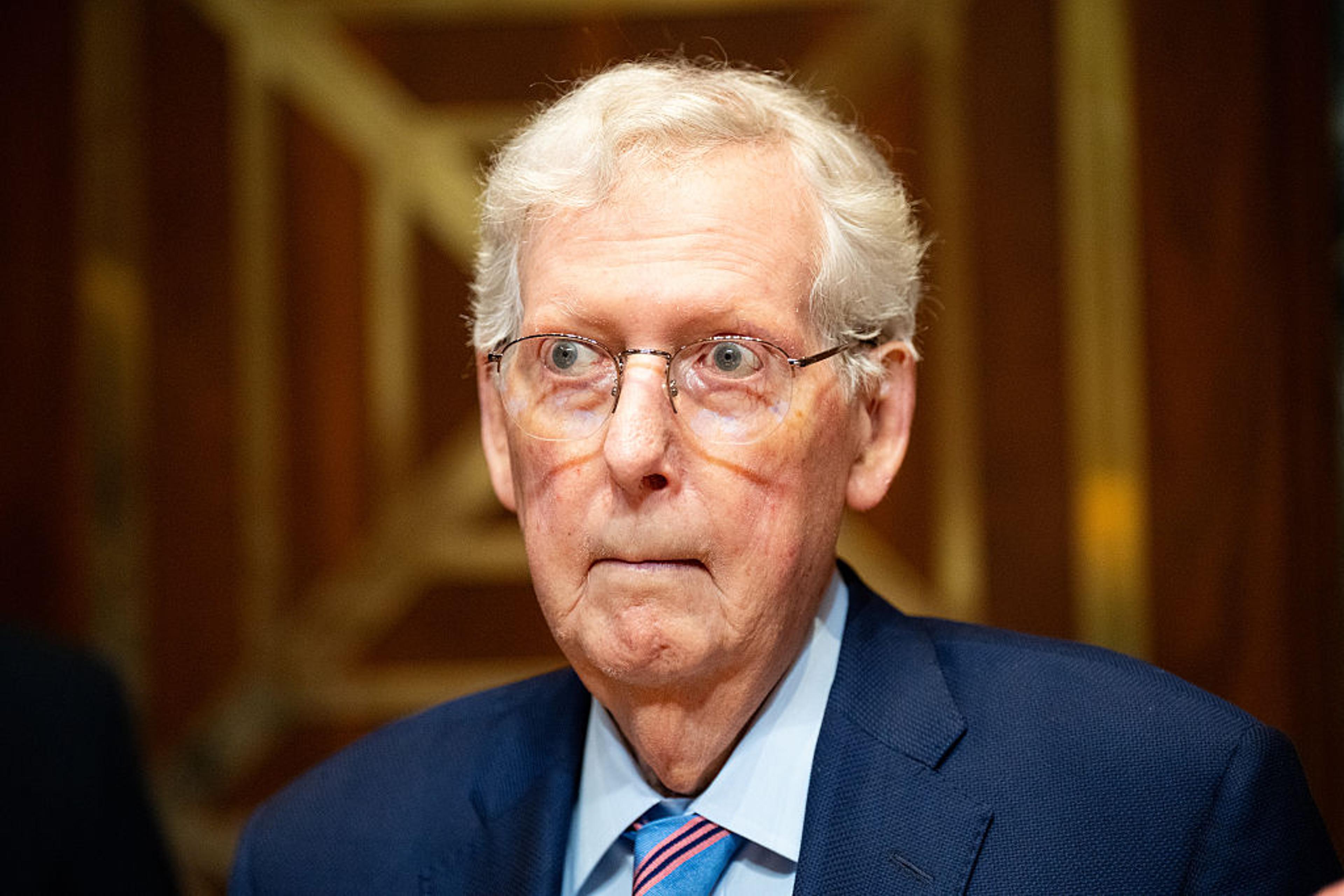
Political strategists from both major parties are recalibrating their electoral maps in response to the tightening race. Republican leadership, guided by veteran figures including Senate Minority Leader Mitch McConnell, initially anticipated defending a predictable roster of swing states such as Pennsylvania, Wisconsin, Nevada, and Georgia. Instead, the sudden vulnerability in Kansas has compelled conservative super PACs and party campaign committees to redirect millions of dollars into defensive advertising across the state's media markets, including the Kansas City suburban corridor and Wichita.
The unexpected competitiveness in Kansas reflects broader structural changes reshaping American politics. The suburban communities of Johnson County, situated southwest of Kansas City, have experienced rapid population growth and educational attainment shifts that mirror trends observed in competitive districts nationwide, including Virginia's 5th Congressional District and the Sun Belt. Voters in these suburban districts have increasingly demonstrated a willingness to split their tickets or back candidates who emphasize moderate governance, fiscal responsibility, and access to healthcare over ideological extremes.
At the same time, Democratic campaign strategists have sought to capitalize on local discontent regarding rural hospital closures, federal agricultural subsidies, and reproductive rights. By fielding candidates who emphasize pragmatic, nonpartisan problem-solving rather than national party orthodoxy, Democrats hope to build a durable coalition comprising progressive urban voters, suburban moderates, and a decisive slice of disaffected rural conservatives. This approach proved effective in previous state-level victories and has now been adapted for the federal Senate contest.
Republicans, however, are mounting an aggressive pushback to protect their traditional stronghold. The party's messaging focuses heavily on economic issues, criticizing federal spending, inflation, and border security, while attempting to tie the Democratic contender to the national party leadership. Conservative organizers are also prioritizing base mobilization across rural counties in western and central Kansas, aiming to generate overwhelming turnout to counterbalance suburban Democratic gains.
National implications of the Kansas fight extend far beyond state borders. With the Senate balanced on a razor-thin margin, even a single seat shifting unexpectedly could determine which party controls committee gavels, judicial nominations, and the legislative agenda in Washington. As both parties pour unprecedented advertising dollars into television, digital campaigns, and field offices, Kansas stands as a compelling test case for whether the political map is permanently shifting or if traditional red-state loyalty will ultimately prevail.
How do you feel about this story?
Discussion
No comments yet. Be the first to share your thoughts.
Join the discussion
Sign in to share your thoughts on this story.


