BNN Summary
The Indian benchmark index Nifty 50 recently touched a five-month low, pressured by surging global crude oil prices, rising bond yields, and cautious corporate developments. Meanwhile, GIFT Nifty continues to display a bearish consolidation pattern near critical resistance levels, while major financial institutions like HDFC Bank initiate crucial leadership transitions to stabilize market sentiment.
In-Depth Analysis
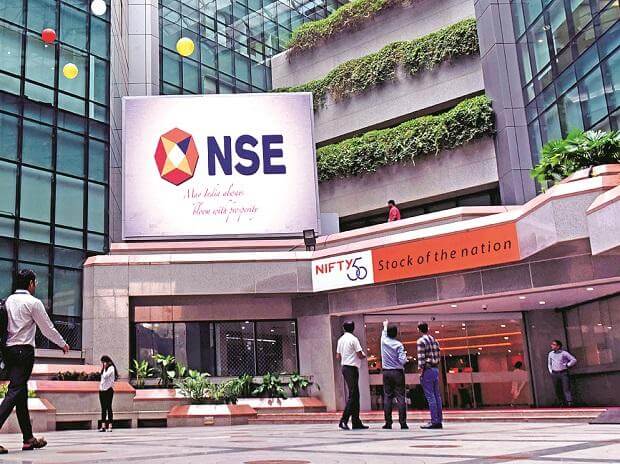
The Indian equity market has encountered a turbulent phase, marked by macroeconomic pressures, shifting global yields, and corporate transitions that are testing investor resilience. The flagship Nifty 50 index recently closed at a five-month low, reflecting a confluence of external and domestic headwinds that have unnerved market participants across sectors.
Macroeconomic Pressures Drive Market Correction
At the heart of the recent market correction are surging global crude oil prices and elevated US bond yields. India remains heavily reliant on imported energy, making its economy particularly vulnerable to fluctuations in crude oil markets. When oil prices climb, inflationary pressures mount, raising concerns about potential fiscal deficits and trade imbalances. Furthermore, rising global bond yields have triggered foreign institutional investors to redirect capital away from emerging markets, including India, toward safer debt instruments in developed economies.
Technical analysts observing the GIFT Nifty 50 note that the index has been consolidating in a distinctly bearish territory. Hovering near the 23,595 resistance mark, market technicians warn that unless the index manages a decisive breakout supported by robust buying volumes, the near-term outlook remains cautious. Support levels are being closely monitored by institutional traders who are trimming aggressive long positions until clearer macro signals emerge.
Corporate Leadership and Sectoral Dynamics
Amidst the broader market consolidation, corporate developments are playing a pivotal role in shaping individual stock movements. HDFC Bank, India's largest private sector lender and a heavyweight component of the Nifty 50, has officially commenced its chief executive officer succession planning. Such leadership transitions are heavily scrutinized by institutional investors, as continuity in strategic vision is vital for maintaining the bank's asset quality, credit growth, and market dominance.
While banking and financial heavyweights navigate internal structural changes, other sectors are grappling with margin pressures caused by raw material cost inflation and subdued rural demand. Analysts point out that corporate earnings reports for the upcoming quarter will be crucial in determining whether valuations are justified. Companies with strong balance sheets and pricing power are expected to weather the storm better than those heavily leveraged or dependent on discretionary spending.
Investor Strategy in a Volatile Environment
Financial advisors are urging retail and institutional investors to maintain a long-term perspective while navigating the current volatility. Systematic investment plans remain a favored route for domestic investors, helping mitigate market timing risks. Although short-term momentum favors the bears, structural drivers of the Indian economy, including robust infrastructure spending, digital adoption, and a growing middle class, continue to provide a solid foundation for future growth.
As the Nifty 50 attempts to stabilize around key psychological levels, market participants will keep a close watch on central bank policies, global geopolitical developments, and incoming macroeconomic data. The ability of the market to absorb external shocks and bounce back from recent lows will depend largely on incoming corporate earnings resilience and shifts in foreign capital flows in the coming weeks.
How do you feel about this story?
Discussion
No comments yet. Be the first to share your thoughts.
Join the discussion
Sign in to share your thoughts on this story.