BNN Summary
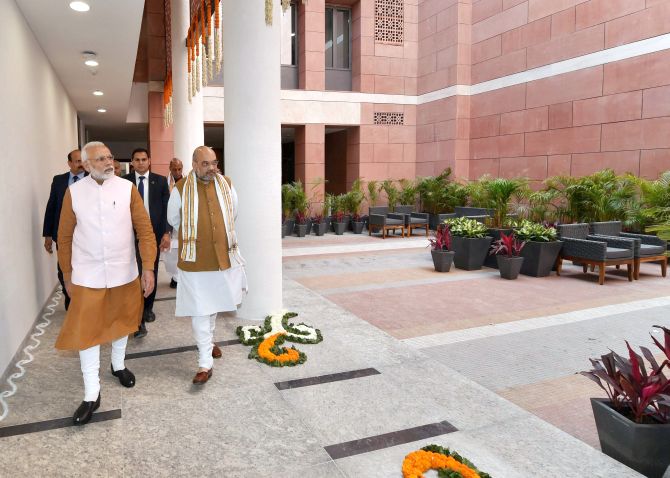
Prime Minister Narendra Modi has strongly advocated for the comprehensive integration of social reforms within the core framework of national governance. Emphasizing inclusive development, the Prime Minister highlighted the necessity of aligning public policy with societal progress to uplift marginalized communities and foster equitable economic growth across the country.
In-Depth Analysis
In a recent high-level policy address, Prime Minister Narendra Modi articulated a visionary approach toward modernizing governance by intertwining administrative policies with progressive social reforms. Speaking to senior bureaucrats, policymakers, and civic leaders, the Prime Minister underscored that true national development cannot be measured solely by macroeconomic indicators, but must also reflect the upliftment of the most vulnerable and marginalized segments of society.
Prioritizing Inclusive Growth
During his address, the Prime Minister pointed out that traditional governance models often treat economic progress and social welfare as separate entities. He argued that sustainable development requires a synchronized effort where administrative machinery actively identifies and dismantles systemic social barriers. By embedding social reform into the DNA of public policy, the government aims to bridge historical divides and ensure that the benefits of technological and economic advancements reach the grassroots level.
Key focus areas highlighted during the discourse include:
- Educational Equity: Ensuring that quality education is accessible to remote and underprivileged children, reducing dropout rates, and modernizing curricula to meet contemporary global standards.
- Healthcare Access: Expanding universal health coverage initiatives to alleviate the financial burden of medical emergencies on low-income households.
- Women Empowerment: Promoting financial inclusion and leadership opportunities for women through targeted entrepreneurial schemes and safety initiatives.
- Skill Development: Aligning vocational training programs with evolving industry demands to empower youth from economically disadvantaged backgrounds.
Bureaucratic Accountability and Execution
A critical component of the Prime Minister message was the call for a mindset shift among civil servants. He urged administrative officers to move away from rigid, routine bureaucratic procedures and adopt a more empathetic, citizen-centric approach. According to the Prime Minister, policy formulation is only half the battle; the true measure of success lies in the meticulous, transparent, and timely execution of welfare schemes on the ground.
'Governance must not merely function as a regulator, but as an enabler of human potential,' the Prime Minister remarked, emphasizing that administrative efficiency must be matched with social compassion. He encouraged district-level officials to engage directly with local communities to understand their unique socio-economic challenges and tailor national programs to suit regional needs.
Economic Implications and Market Reactions
Financial analysts and economists have closely monitored these policy shifts, noting that inclusive growth strategies often lead to a more resilient domestic market. By enhancing the purchasing power and living standards of rural populations, broader consumer bases are unlocked, driving long-term economic stability. While regulatory adjustments in various sectors—such as recent developments in the insurance and fintech industries—continue to shape the financial landscape, the overarching emphasis on social welfare remains a cornerstone of the national administration agenda.
Looking Ahead
As India navigates its path toward becoming a developed nation, the integration of social reforms into everyday governance is expected to serve as a guiding philosophy for upcoming legislative and administrative actions. Political analysts suggest that this strategy reinforces the government commitment to inclusive democracy, ensuring that economic prosperity walks hand-in-hand with social justice and human dignity.
How do you feel about this story?
Discussion
No comments yet. Be the first to share your thoughts.
Join the discussion
Sign in to share your thoughts on this story.