BNN Summary
The Union Cabinet has announced an increase in the minimum support price for wheat by Rs 25 per quintal, bringing the rate to Rs 2,610 per quintal for the 2027-28 crop marketing season. However, major farming associations have immediately rejected the minor hike, labeling it as completely insufficient to offset rising agricultural input costs and protect rural livelihoods.
In-Depth Analysis
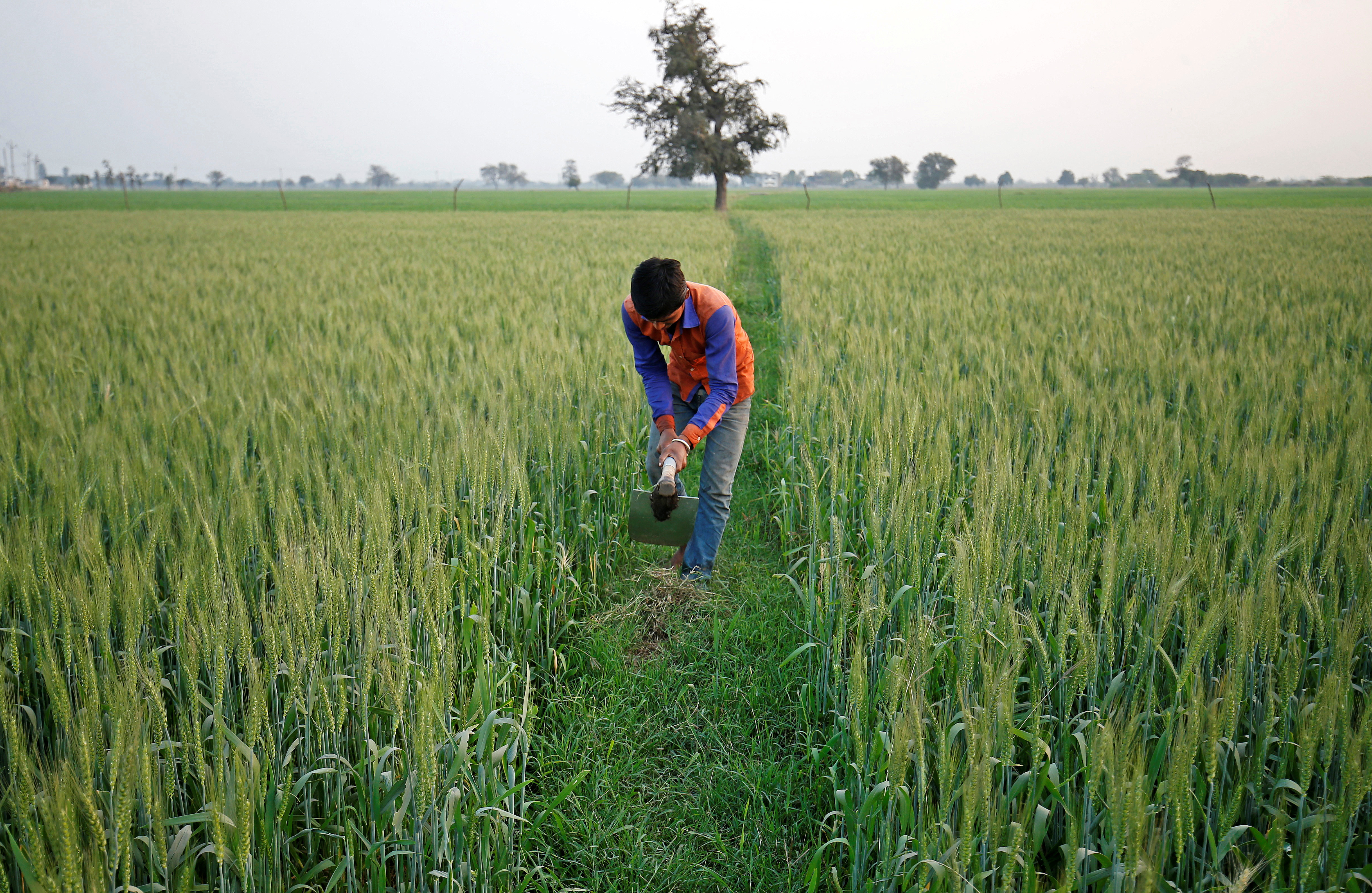
The central government has officially approved an upward revision in the minimum support price for wheat, setting the new rate at Rs 2,610 per quintal for the upcoming 2027-28 crop marketing season. The latest policy adjustment reflects a modest increment of Rs 25 per quintal compared to the previous agricultural cycle. While government officials defend the pricing decision as a balanced approach to managing food inflation and ensuring procurement incentives, the announcement has triggered immediate pushback from prominent agricultural unions and grassroots farming communities across major agrarian states.
According to official details released following the cabinet meeting, the revised pricing aims to provide a guaranteed floor price to cultivators while balancing the fiscal burden on the national exchequer. The policy framework is designed to encourage wheat cultivation across key northern and central grain-producing states, securing domestic food security reserves for the public distribution system. However, agricultural economists and representatives of farm organizations argue that the incremental hike fails to reflect the ground reality of escalating cultivation expenses.
Prominent farmer leaders have voiced sharp criticism over the marginal nature of the increase, pointing out that input costs such as diesel, fertilizers, pesticides, and manual labor have surged exponentially over recent years. In statements released to the media, representatives from various farmer collectives stated that a hike of merely Rs 25 per quintal is inadequate and demonstrates a lack of sensitivity toward the financial distress faced by rural households. Many growers expected a much more substantial revision aligned with comprehensive cost formulas that account for total comprehensive production expenses, popularly known as the C2 cost formula.
The debate over agricultural pricing and price security continues to remain a central theme in national politics and economic planning. Farming groups have reiterated their long-standing demand for a legally binding guarantee on minimum support prices covering all major crops, arguing that voluntary procurement mechanisms at current rates do not offer sufficient protection against market volatility and unpredictable weather patterns driven by changing climatic conditions.
As the sowing season approaches, agricultural analysts warn that the dissatisfaction surrounding the latest pricing announcement could potentially reignite protests or coordinated demonstrations by farmer unions. State administrations and central ministries are closely monitoring the evolving sentiment in rural pockets, seeking ways to address agricultural distress through supplementary welfare schemes, direct benefit transfers, and subsidized infrastructure support. Meanwhile, opposition political parties have seized upon the farmers' grievances, accusing the administration of neglecting the rural economy and failing to deliver on previous promises of doubling farm incomes.
How do you feel about this story?
Discussion
No comments yet. Be the first to share your thoughts.
Join the discussion
Sign in to share your thoughts on this story.