BNN Summary
Gold prices in major Indian cities witnessed notable fluctuations on September 12 as domestic markets reacted to international precious metal movements and currency dynamics.
In-Depth Analysis
Gold prices across key metropolitan cities in India showed distinct movement on September 12, as retail buyers and investors tracked shifting international bullion trends, currency exchange variations, and anticipation surrounding macroeconomic indicators.
City-Wise Retail Trends
In India, retail gold prices vary across regions due to state taxes, local transportation logistics, and regional bullion association determinations. In major consumption hubs such as Delhi, Mumbai, Kolkata, and Chennai, jewelers and bullion dealers adjusted their standard board rates for 24-carat, 22-carat, and 18-carat gold.
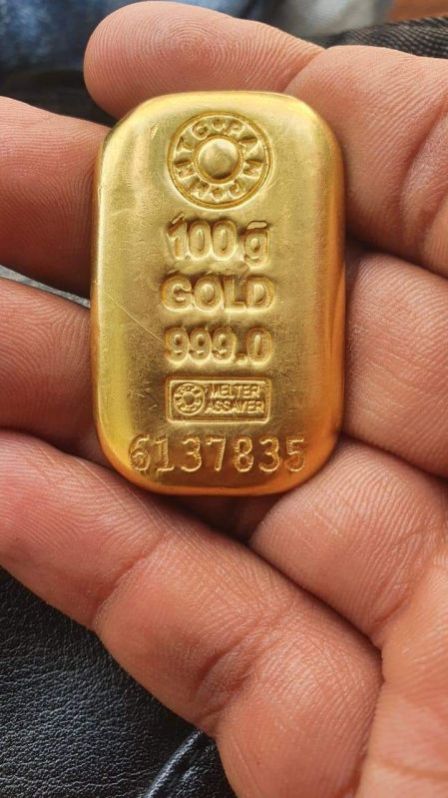
- 24-Carat Gold: Known as 99.9% pure gold, this variant serves primarily as the benchmark for bullion investment, bars, and mint coins. Rates in Delhi and Mumbai held firm, reflecting wholesale spot prices on domestic commodity exchanges.
- 22-Carat Gold: Representing 91.6% purity (standard hallmarked jewelry), 22K gold remains the most popular category for traditional jewelry purchases across India. Southern centers such as Chennai and Hyderabad often reflect slightly higher rates compared to western hubs due to local levies and demand premiums.
- 18-Carat Gold: Containing 75% pure gold mixed with alloy metals, this grade is increasingly favored by contemporary buyers for daily-wear lightweight jewelry and diamond-studded ornaments.
Key Market Drivers
Several macroeconomic and local factors influenced precious metal prices during this trading window:
- International Spot Market: Global spot gold prices heavily dictate Indian domestic rates. Market participants remained focused on monetary policy signals from the US Federal Reserve, global inflation statistics, and sovereign bond yields, all of which directly influence dollar strength and international gold demand.
- Rupee vs US Dollar: Because India imports the vast majority of its gold consumption, fluctuations in the Indian Rupee against the US Dollar play a decisive role in determining the landed cost of gold imports.
- Seasonal and Festive Demand: With the onset of the festive and wedding calendar, domestic retail jewelers actively prepare their inventories. Physical demand often strengthens as auspicious buying days approach, creating localized support for physical premiums.
Consumer Considerations and Hallmarking
Industry experts continue to advise consumers to ensure that all jewelry purchases carry mandatory BIS (Bureau of Indian Standards) hallmark certification, including the six-digit alphanumeric HUID (Hallmark Unique Identification) code. Buyers are also reminded that retail showroom prices typically exclude the standard 3% Goods and Services Tax (GST) as well as jeweler making charges, which vary significantly based on craftsmanship and retailer policies.
As macroeconomic developments continue to unfold globally, market analysts expect gold prices to maintain a dynamic trajectory in the near term, with physical demand acting as a key cushion in domestic markets.
How do you feel about this story?
Discussion
No comments yet. Be the first to share your thoughts.
Join the discussion
Sign in to share your thoughts on this story.