BNN Summary
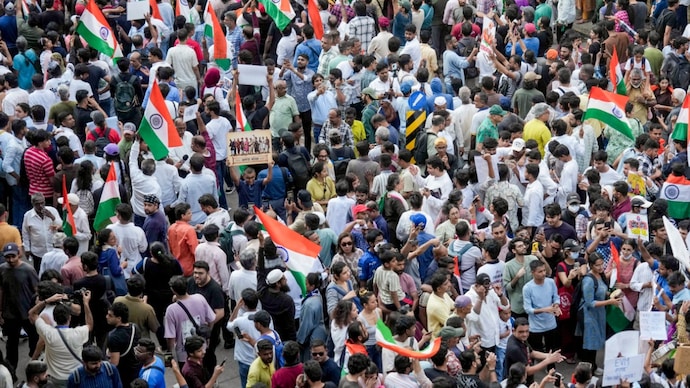
Hundreds of young protesters belonging to a newly emerged Gen Z-led political movement have gathered in major Indian cities to demand the immediate resignation of Chief Election Commissioner Gyanesh Kumar. The demonstrations, organized under the banner of the 'cockroach' movement, target recent controversial revisions to voter lists and allege systemic electoral bias, sparking intense national debate over the independence of democratic institutions.
In-Depth Analysis
Awave of youth-led political activism is sweeping across India, presenting a fresh challenge to established political authorities. Hundreds of members from a newly formed Generation Z-led political faction, colloquially known as the 'cockroach' movement, have staged prominent demonstrations in several metropolitan centers. The primary demand of the surging youth mobilization is the immediate resignation of Chief Election Commissioner Gyanesh Kumar.
Origins Of The 'Cockroach' Movement
The unusual moniker adopted by the protesters carries a deliberate and defiant political message. Borrowing a term often used pejoratively by political opponents to marginalize grassroots activists, the young organizers have embraced the label 'cockroach' to symbolize resilience, survival, and an unstoppable presence in the face of institutional pushback. Originating largely on social media platforms and college campuses, the movement has rapidly transitioned from digital forums into physical street protests.
Organizers argue that traditional opposition parties have failed to hold electoral authorities accountable, necessitating a direct, youth-driven intervention to safeguard democratic norms. Wearing symbolic badges and carrying placards that mock institutional apathy, the protesters have captured the attention of both domestic observers and international media outlets.
Core Grievances And Electoral Controversy
The immediate catalyst for the widespread demonstrations involves sweeping revisions to voter lists overseen by the Election Commission of India. Protesters claim that recent modifications have systematically disenfranchised vulnerable demographics, marginalized urban youth, and exhibited favoritism toward the ruling administration. While the Election Commission has repeatedly defended its administrative procedures as routine updates necessary for electoral accuracy, the opposition and the youth movement argue that the changes lack transparency.
Key grievances highlighted during the rallies include:
- Opaque Voter Deletions: Allegations that millions of eligible citizens have been removed from electoral rolls without adequate notification or recourse.
- Institutional Independence: Deep-seated concerns regarding the autonomy and perceived political neutrality of the Election Commission of India.
- Digital Exclusion: Complaints that bureaucratic hurdles and rushed technological implementations disproportionately affect first-time voters and marginalized communities.
Political Fallout And Government Response
The emergence of the Gen Z-led movement has injected fresh volatility into the nation's political landscape. While ruling party officials have dismissed the protests as politically motivated stunts orchestrated by disgruntled opposition factions, independent political analysts suggest that the movement taps into a broader, underlying frustration among urban youth regarding employment, governance, and democratic integrity.
Security forces have maintained a heavy presence around demonstration sites, resulting in brief detentions in several cities, though most rallies have remained peaceful. Civil rights organizations have urged the government to engage in constructive dialogue with the young protesters rather than resorting to police action.
As the movement gains momentum through digital mobilization and university networks, questions remain regarding whether this decentralized faction can achieve its ultimate objective of forcing the resignation of Chief Election Commissioner Gyanesh Kumar. Regardless of the immediate outcome, the protests have undeniably redefined the contours of youth political engagement in the world's largest democracy, signaling that the next generation is increasingly prepared to challenge established power structures directly.
How do you feel about this story?
Discussion
No comments yet. Be the first to share your thoughts.
Join the discussion
Sign in to share your thoughts on this story.