BNN Summary
The Dow Jones Industrial Average dropped 134 points, weighed down by losses in Cisco and JPMorgan Chase, while Apple neared a key buy point amidst mixed market closes.
In-Depth Analysis
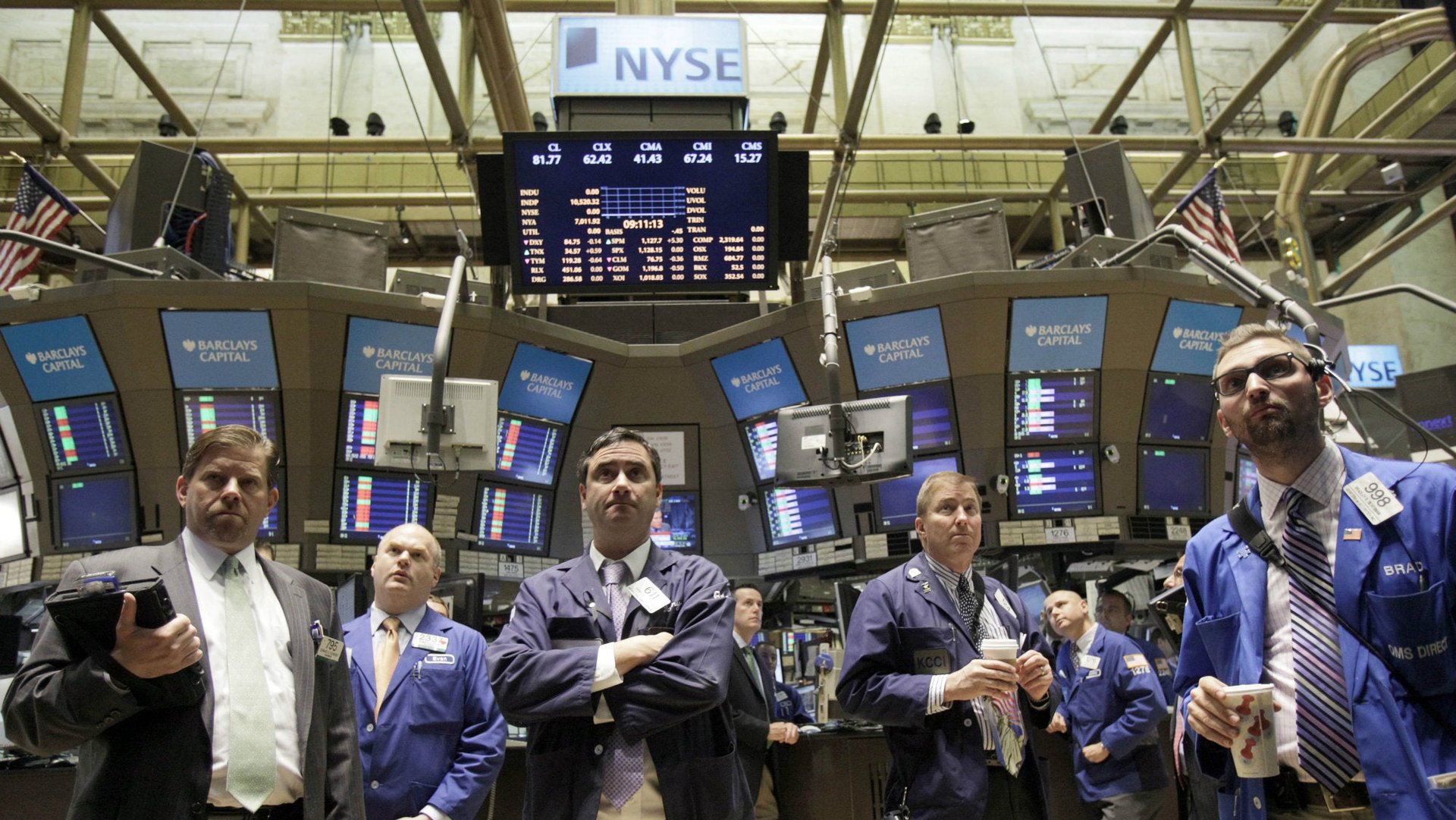
Wall Street experienced a mixed trading session on Wednesday, characterized by a notable decline in the Dow Jones Industrial Average, which fell by 134 points, or approximately 0.36%. While the blue-chip index faced downward pressure, other sectors of the market showed resilience, highlighting a fragmented sentiment among investors navigating corporate earnings and macroeconomic signals.
The downward movement in the Dow Jones was primarily driven by losses in heavyweights such as Cisco Systems and JPMorgan Chase & Co. Both companies faced selling pressure, dragging the price-weighted index lower. Analysts noted that financial institutions and technology firms have been highly sensitive to fluctuating bond yields and shifting expectations regarding the Federal Reserve's monetary policy trajectory.
In contrast to the broader Dow skid, Apple Inc. remained a point of intense interest for market observers. The tech giant's stock showed strength, hovering near a critical technical buy point. Investors are closely watching Apple's performance as it continues to demonstrate robust product demand and service sector growth, making it a potential defensive play in a volatile market environment.
Adding to the day's market chatter was a fresh regulatory filing detailing recent financial transactions made by former U.S. President Donald Trump. The disclosures, which outline specific trades and asset allocations, generated significant attention across trading desks. Political figures' investment disclosures often attract scrutiny, and Trump's latest portfolio adjustments have sparked discussion regarding potential market impacts and sector preferences.
The mixed close across major indices reflects a broader tug-of-war on Wall Street. On one hand, robust economic data suggests the American economy remains resilient, potentially delaying anticipated interest rate cuts by the Federal Reserve. On the other hand, persistent inflation pressures and high borrowing costs continue to squeeze corporate margins and consumer spending.
Meanwhile, the broader S&P 500 and the tech-heavy Nasdaq Composite showed a more mixed performance, reflecting a rotation out of traditional cyclical sectors and into selective growth names. Market volatility has been further exacerbated by fluctuations in the bond market, where the 10-year U.S. Treasury yield saw minor adjustments. Investors are also monitoring geopolitical developments and energy markets, as fluctuations in crude oil prices could have direct implications for inflationary pressures.
As the corporate earnings season progresses, market participants are keeping a close eye on forward-looking guidance from key industry leaders. Analysts suggest that the divergence between indices like the Dow Jones and tech-heavy benchmarks is likely to persist as investors rotate capital into sectors perceived to have stronger growth prospects or better defensive qualities. For now, the focus remains on upcoming economic indicators, including inflation reports and employment figures, which will provide clearer direction for the financial markets in the coming weeks.
How do you feel about this story?
Discussion
No comments yet. Be the first to share your thoughts.
Join the discussion
Sign in to share your thoughts on this story.