BNN Summary
An examination of how modern cultural expressions, including theatrical productions about the Western Front and contemporary drag shows, intersect with the politics of historical memory in Europe. These artistic mediums challenge traditional narratives and provoke public debate regarding national identity, commemoration, and societal values.
In-Depth Analysis
The intersection of historical memory, theatrical performance, and modern cultural expression has increasingly become a battleground for societal values across Europe. Recent discussions surrounding artistic representations of the Western Front alongside contemporary public performances, such as drag shows, highlight a broader cultural shift in how societies remember their past and negotiate their present identities. This dynamic interaction between solemn historical remembrance and avant-garde performance art reveals the evolving nature of public memory politics.
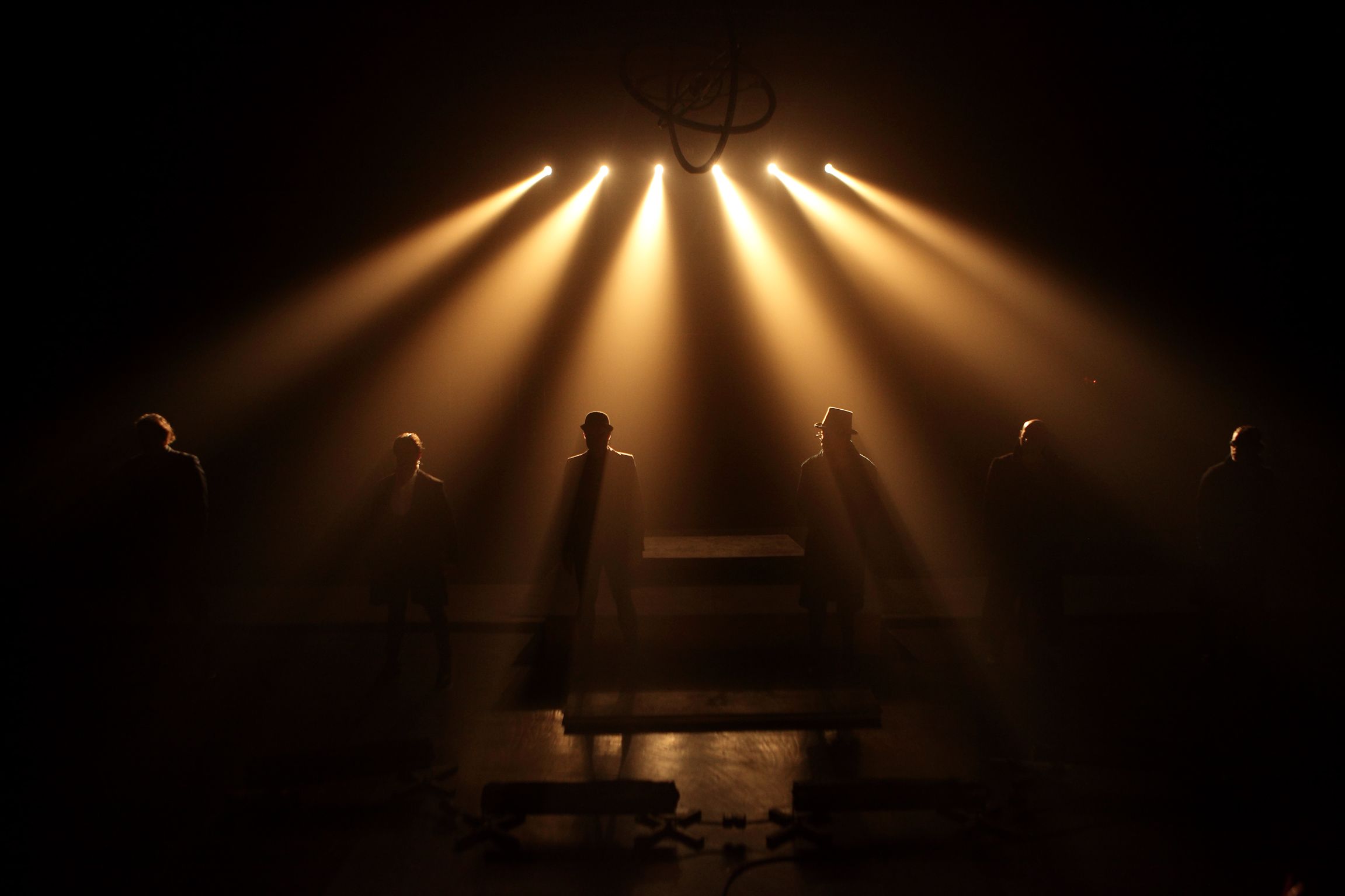
Historically, commemorations of the Western Front and the devastating conflicts of the twentieth century have been strictly managed through official state channels, solemn monuments, and traditional military ceremonies. These practices were designed to foster national unity, honor the fallen, and reinforce a shared understanding of historical sacrifice. However, contemporary artists, playwrights, and directors are increasingly utilizing theatre to deconstruct these monolithic narratives. By presenting the harrowing realities of war through alternative lenses—often incorporating marginalized perspectives, psychological trauma, and critical viewpoints on nationalism—these theatrical productions challenge audiences to rethink the conventional heroics associated with wartime history.
Simultaneously, the rise and growing visibility of drag shows within mainstream cultural spaces have sparked intense debates concerning public morality, tradition, and freedom of expression. While proponents view drag as a vibrant, celebratory form of performance art that promotes inclusivity and challenges rigid gender norms, critics often argue that such performances clash with traditional cultural heritage. This tension frequently manifests in the political arena, where political parties and cultural commentators clash over public funding for the arts, educational curricula, and the boundaries of acceptable public expression.
In places like Flanders and across broader European regions, political figures are continually forced to navigate these cultural fault lines. Debates over whether contemporary performance art disrespects historical solemnity or merely expands the boundaries of free expression have become deeply politicized. Conservative factions often rally around traditional notions of heritage and memory, seeking to preserve established symbols and historical narratives from perceived degradation. Conversely, progressive groups argue that a healthy democracy must embrace diverse cultural voices, allowing art to question, provoke, and reinterpret history in ways that resonate with modern audiences.
Ultimately, the convergence of Western Front remembrance and contemporary performance art underscores a fundamental truth about modern society: history is never static. It is continuously reinterpreted, contested, and performed. Whether through the poignant staging of wartime tragedies or the vibrant spectacle of a drag performance, culture remains a powerful instrument through which societies interrogate their past, navigate current political divides, and shape their collective future. As these debates persist, policymakers, artists, and citizens alike must grapple with the delicate balance between honoring historical sacrifices and fostering an open, inclusive cultural landscape.
How do you feel about this story?
Discussion
No comments yet. Be the first to share your thoughts.
Join the discussion
Sign in to share your thoughts on this story.