BNN Summary
Recent cultural discussions across Europe highlight the complex interplay between historical remembrance, military heritage sites like the Western Front, and contemporary artistic expressions such as drag shows, prompting deeper debates over the politics of public memory and societal evolution.
In-Depth Analysis
The intersection of historical remembrance and contemporary cultural expression has increasingly become a subject of intense public debate across Europe. From the solemn battlefields of the Western Front to modern theatrical stages featuring drag shows, society grapples with how past conflicts are remembered and how current cultural movements shape the collective memory of nations.
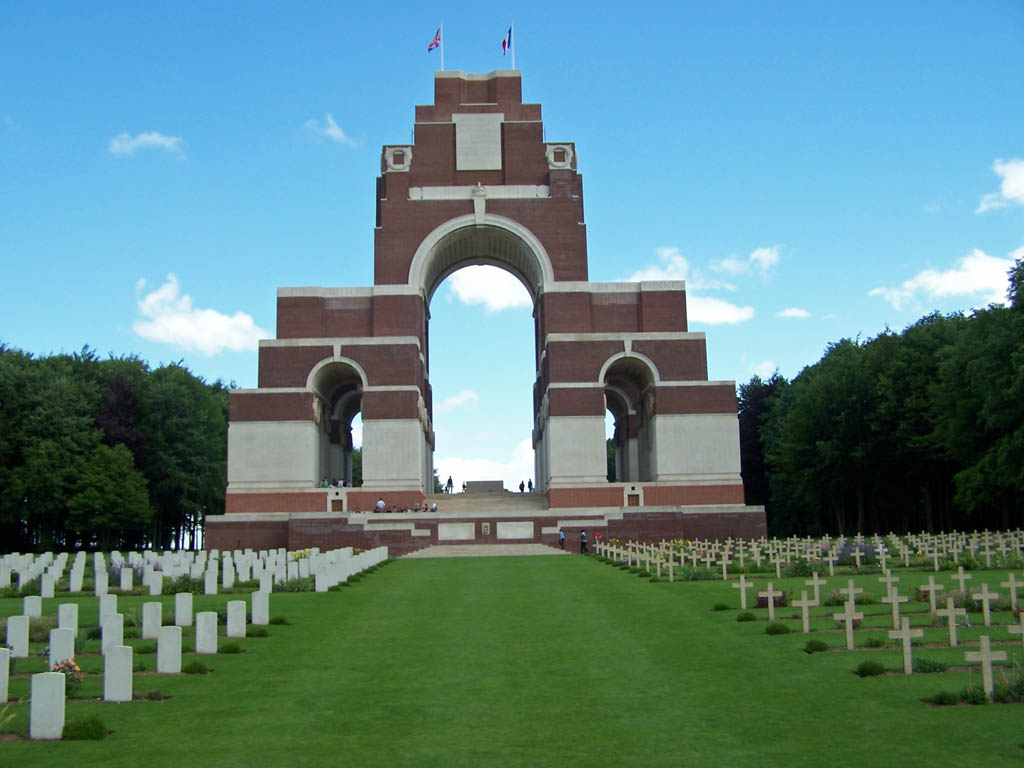
Historical preservation efforts along the Western Front have long served as a poignant reminder of the devastating human cost of past conflicts. Millions of visitors travel annually to these hallowed grounds, paying homage to the soldiers who fought and perished during historical engagements. These sites are maintained not merely as tourist attractions, but as vital educational monuments meant to foster peace and prevent future atrocities. Historians, preservationists, and government officials continuously debate the best methodologies for keeping these memories alive for younger generations who are increasingly distant from the firsthand accounts of global warfare.
Simultaneously, the cultural landscape is evolving with the rise of diverse artistic performances, including drag shows and avant-garde theatrical productions. These performances challenge traditional norms and spark discussions about freedom of expression, identity, and the modern interpretation of civic values. While supporters champion these artistic forms as symbols of progressive social tolerance and inclusivity, critics occasionally voice concerns over the rapid shift in traditional cultural paradigms. This friction highlights a broader societal dialogue regarding which traditions are preserved and which new expressions are welcomed into the public sphere.
The politics of memory thus emerge at the nexus of these two seemingly disparate worlds. The way a society chooses to honor its military history often reflects its core values, political alignments, and cultural priorities. When historical commemorations intersect with modern cultural debates, policymakers and cultural leaders must navigate delicate balances between respecting solemn historical legacies and embracing contemporary social diversity. Museums, educational institutions, and public broadcasters play a crucial role in framing these narratives, ensuring that public discourse remains respectful yet open to evolving perspectives.
Furthermore, European political dynamics frequently intersect with cultural memory. Debates over national identity, European integration, and historical accountability heavily influence political discourse. Political figures and parties often leverage historical narratives to rally public support or critique opposing factions. Consequently, cultural events and historical preservation projects are rarely viewed in a vacuum; they are closely monitored as barometers of the sociopolitical climate.
As Europe continues to navigate these multifaceted cultural currents, the dialogue between past sacrifices and present freedoms remains vital. Society faces the ongoing challenge of honoring the historical significance of monumental epochs while remaining adaptable to the dynamic expressions of a changing world. Through continuous public discourse, education, and cultural exchange, communities strive to build a future that respects history while fostering creativity and mutual understanding.
How do you feel about this story?
Discussion
No comments yet. Be the first to share your thoughts.
Join the discussion
Sign in to share your thoughts on this story.