BNN Summary
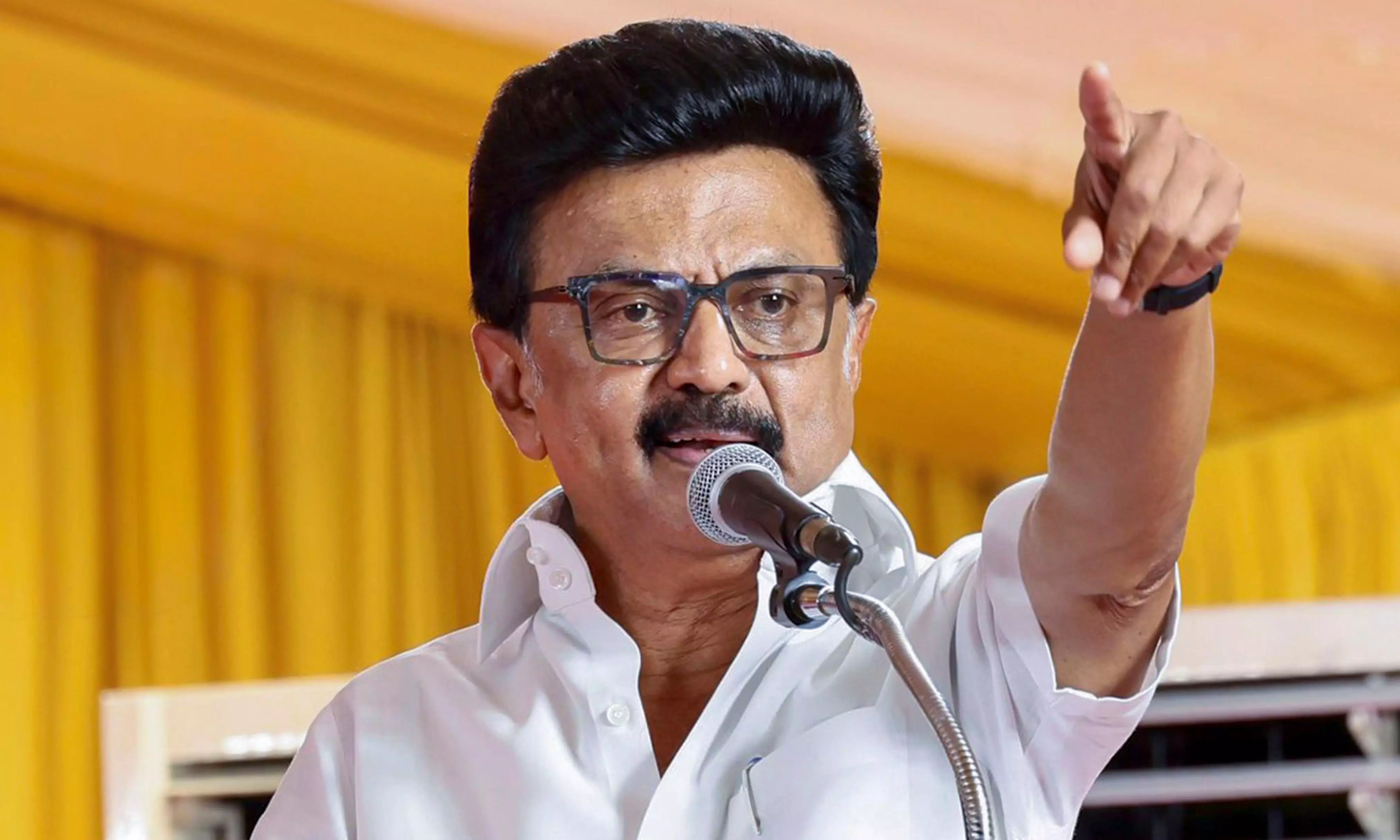
Senior Congress leader Harish Rawat has sparked fresh internal discord within the party by defying central leadership directives regarding upcoming political yatras in Uttarakhand. This bold move underscores ongoing regional friction and challenges the high command's strategy for the hill state.
In-Depth Analysis
The Indian National Congress is facing a fresh wave of internal dissent in the hill state of Uttarakhand, where veteran leader and former Chief Minister Harish Rawat has openly challenged directives issued by the party's central high command. Despite explicit warnings from top brass advising senior leaders to exercise caution and align their public outreach campaigns with the overarching organizational strategy, Rawat has chosen to chart his own course, initiating independent political yatras across various districts.
Political analysts and party insiders view this move as a clear assertion of dominance by Rawat, who remains one of the most influential yet polarizing figures within the Uttarakhand Congress unit. For months, the central leadership has been attempting to streamline state-level campaigns to present a unified front against the ruling government. However, regional factions, often divided along loyalties to different leaders, have continuously complicated these consolidation efforts. Rawat's decision to bypass central advisories highlights the persistent challenge of managing regional satraps who wield substantial local grassroots support.
The development has caused considerable anxiety among party strategists in New Delhi, who are anxious about the optics of open defiance ahead of crucial political milestones. The high command has consistently emphasized collective leadership and disciplined execution of campaign schedules to avoid sending mixed signals to the electorate. By launching yatras independently, Rawat has effectively tested the limits of central authority, leaving state party functionaries scrambling to manage the fallout and project a semblance of internal harmony.
Observers note that Harish Rawat has a long history of utilizing pressure tactics to assert his relevance and secure organizational leverage for his loyalists. His latest maneuver is seen as an attempt to cement his position as the indispensable face of the party in Uttarakhand, regardless of institutional reservations. Critics within the party argue that such personalized campaigns dilute the broader opposition narrative and distract from collective governance issues. Conversely, supporters of Rawat maintain that his outreach efforts are vital for energizing the party cadre at the grassroots level, arguing that excessive central micromanagement stifles dynamic regional leadership.
As the situation unfolds, all eyes remain on the central leadership's response to this apparent act of insubordination. Taking strict disciplinary action against a stalwart like Rawat risks alienating his significant voter base and triggering further desertions, while ignoring the defiance could undermine the authority of the high command over other regional leaders. The standoff highlights the broader structural dilemmas facing the grand old party as it struggles to balance decentralized regional ambitions with centralized discipline. Meanwhile, Rawat continues his statewide mobilization, signaling that his personal political calculus takes precedence over central party diktats in determining the future course of the Congress in Uttarakhand.
How do you feel about this story?
Discussion
No comments yet. Be the first to share your thoughts.
Join the discussion
Sign in to share your thoughts on this story.