BNN Summary
Political analysts suggest the BJP's moral authority has diminished following the 2024 election outcomes and rising youth protests. Driven by concerns over unemployment and exam paper leaks, India's Gen Z is increasingly challenging the government, while a consolidated INDIA opposition bloc provides a viable alternative, altering the country's political dynamics.
In-Depth Analysis
The political landscape in India is undergoing a profound transformation following the 2024 general elections. Although Prime Minister Narendra Modi successfully secured a third consecutive term, the loss of an absolute majority for the Bharatiya Janata Party (BJP) has sparked intense debate among political observers. According to several prominent analysts, the BJP's long-standing 'moral halo' has faded, signaling a major shift in how the ruling party is perceived by the electorate, particularly the younger generation.
For nearly a decade, the BJP maintained a narrative of absolute political dominance and moral authority, largely driven by Prime Minister Modi's personal popularity and promises of efficient governance. However, the post-election reality has revealed a more vulnerable ruling coalition. Analysts argue that the BJP can no longer claim an unchallenged mandate, as it now relies heavily on regional coalition partners such as the Telugu Desam Party (TDP) and the Janata Dal (United) to maintain power. This dependency has constrained the party's ability to push through unilateral policies, creating space for public dissent and opposition scrutiny.
One of the most significant factors driving this political realignment is the active participation of Gen Z in public protests. Unlike previous generations, India's youngest voters are increasingly organizing around tangible livelihood issues rather than religious or identity-based narratives. High rates of youth unemployment, coupled with recent high-profile scandals involving national competitive exams like the NEET-UG paper leaks, have galvanized the youth. These issues have directly impacted millions of students and job seekers, leading to widespread anger and street demonstrations. Analysts observe that Gen Z is highly connected, politically aware, and willing to challenge state authority, thereby dismantling the perception that the youth are entirely aligned with the ruling party's ideological agenda.
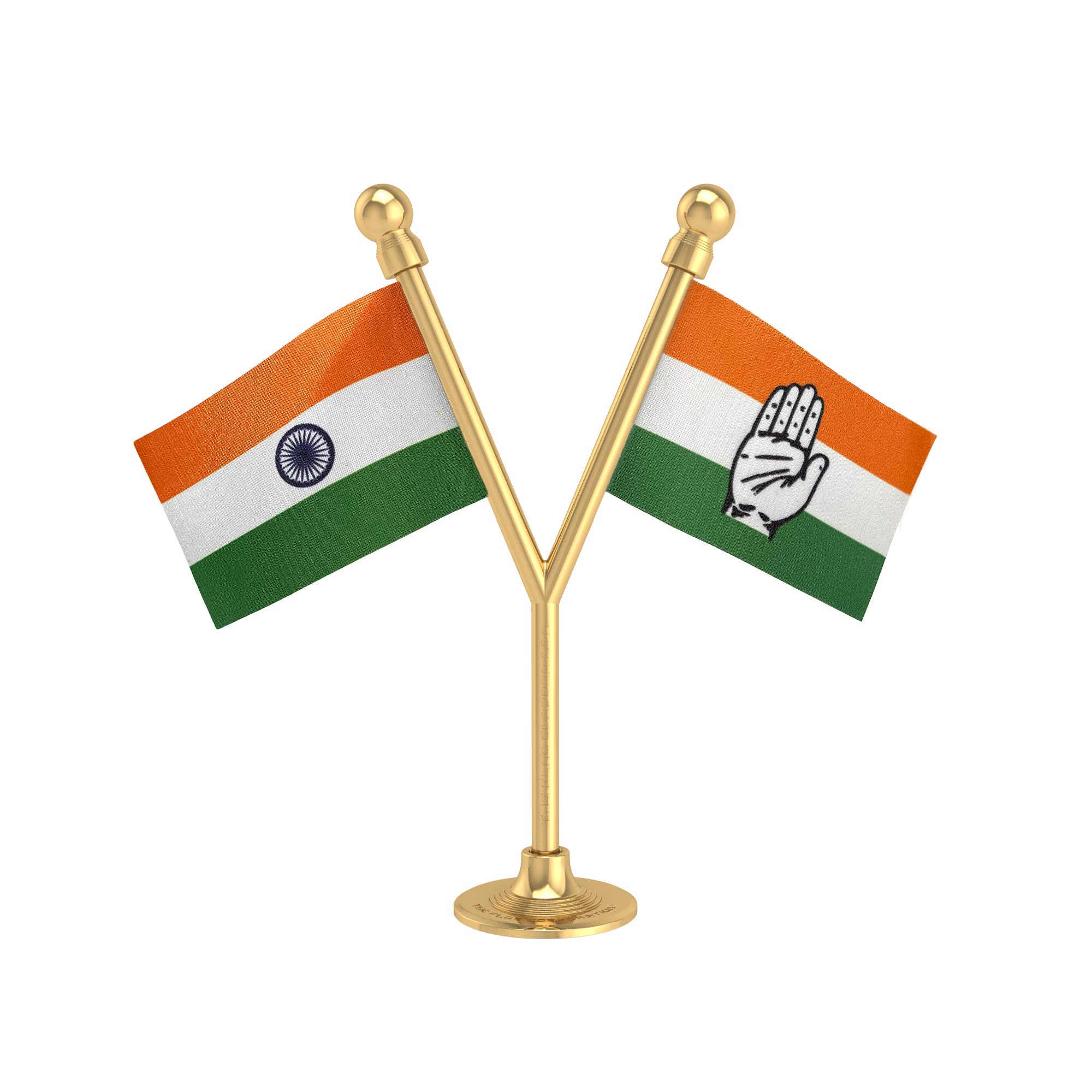
Concurrently, the opposition INDIA bloc has managed to consolidate its position and present a formidable challenge to the government. By focusing on economic distress, constitutional preservation, and federalism, the coalition has successfully tapped into rural and youth discontent. The opposition's performance in the 2024 elections proved that a united front could effectively counter the BJP's electoral machinery. The narrative of 'There Is No Alternative' (TINA), which once worked heavily in favor of the BJP, has been effectively neutralized. The INDIA bloc's active presence in Parliament has also forced the government to be more consultative, marking a departure from the centralized decision-making process of the previous decade.
Ultimately, the combination of a resurgent opposition and an assertive youth population indicates a maturing democratic framework in India. As Gen Z continues to demand accountability and better economic opportunities, the ruling administration will need to navigate a more complex and contested political terrain. The erosion of the BJP's moral halo suggests that performance, transparency, and dialogue will be the defining features of Indian politics in the years to come.
How do you feel about this story?
Discussion
No comments yet. Be the first to share your thoughts.
Join the discussion
Sign in to share your thoughts on this story.