BNN Summary
As Uttar Pradesh gears up for the critical 2027 assembly elections, the ruling Bharatiya Janata Party under Chief Minister Yogi Adityanath is increasingly focusing on cultural nationalism and temple redevelopment projects, with Mathura emerging as a central political focal point following the precedent set by Ayodhya.
In-Depth Analysis
The political landscape of Uttar Pradesh is once again witnessing intense discussions surrounding cultural nationalism and temple restoration as political parties begin drafting their strategies for the upcoming 2027 assembly elections. Following the massive political and social impact of the Ram Mandir consecration in Ayodhya, the Bharatiya Janata Party is widely expected to anchor a significant portion of its campaign narrative on the ongoing development and cultural awakening in prominent Hindu religious centers, with Mathura taking center stage.
Political analysts and observers have noted that Chief Minister Yogi Adityanath and the ruling party leadership view the transformation of religious heritage sites as a powerful unifier. The successful execution of the Ayodhya project has set a high benchmark for party cadres and supporters, who now look toward Mathura and Varanasi with similar expectations. The narrative of reclaiming and beautifying civilizational heritage resonates deeply with a core segment of the electorate, reinforcing the party's ideological commitments while simultaneously driving local economic growth through religious tourism.
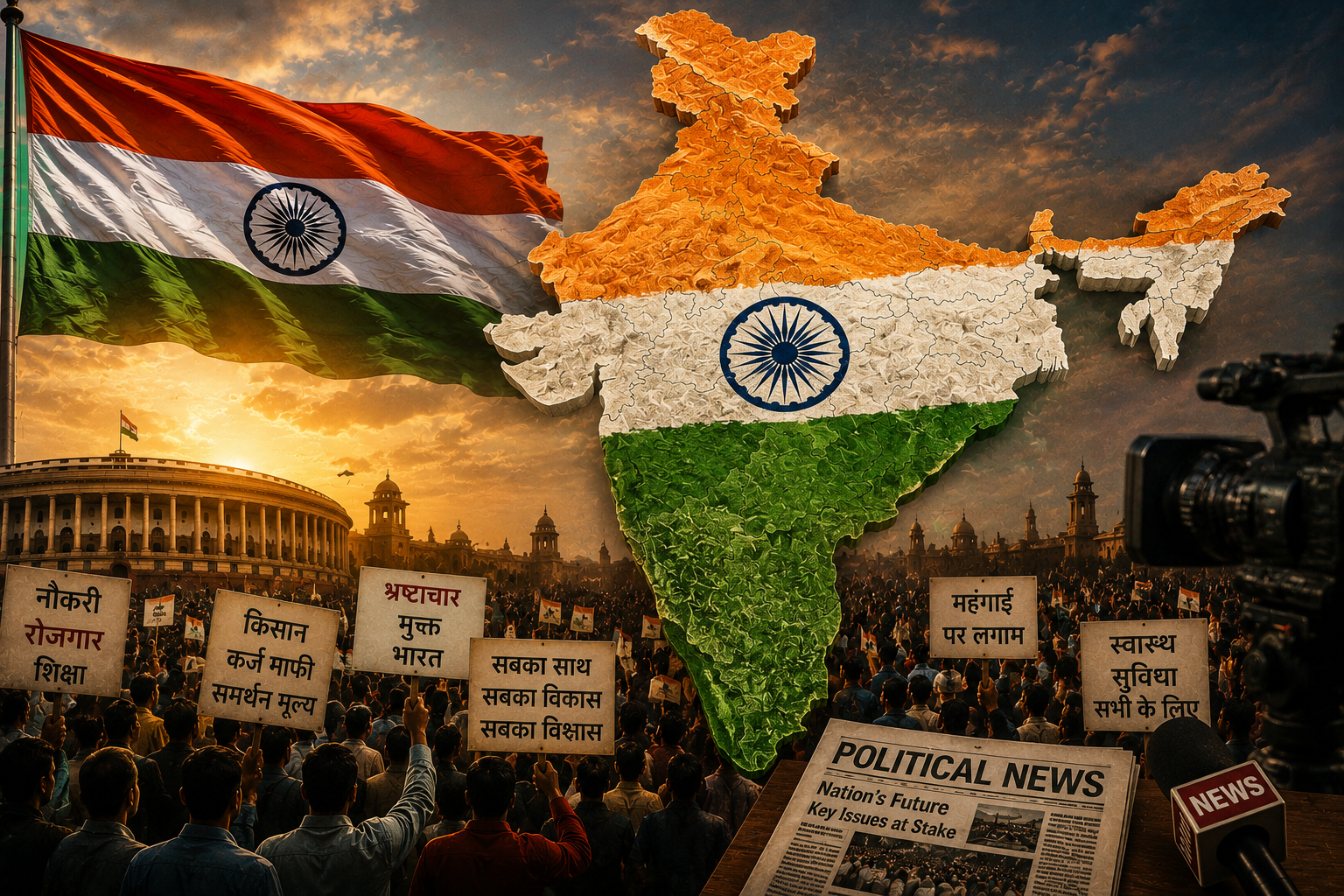
However, the strategy is not without its domestic political challenges and counter-narratives from the opposition. Mainstream opposition formations, particularly the Samajwadi Party led by Akhilesh Yadav, are attempting to reorient the public discourse toward pressing governance concerns, including youth unemployment, rural distress, inflation, and caste-based social justice. During recent conclaves and public interactions such as Panchayat AajTak, opposition leaders argued that while cultural symbols hold immense sentimental value, everyday economic realities and administrative accountability will ultimately dictate voter behavior at the polling booths.
Furthermore, the legal dimensions surrounding the Mathura dispute remain complex, navigating through various judicial forums. Unlike Ayodhya, which reached a definitive judicial conclusion paving the way for construction, the legal proceedings concerning Mathura are ongoing, requiring a careful balance by the political executive to respect judicial processes while maintaining ideological momentum among party loyalists.
As the state inches closer to the 2027 electoral battleground, the central question for political pundits is whether the cultural momentum generated by temple town transformations can overshadow local anti-incumbency factors and economic grievances. The Bharatiya Janata Party aims to replicate the Ayodhya electoral dividend by showcasing comprehensive infrastructural overhauls, improved connectivity, and modernized pilgrimage facilities in Mathura. At the same time, the opposition is intensifying its grassroots outreach, focusing on social coalitions and economic promises to counter the ruling dispensation's dominant ideological campaign. The unfolding political dynamics in Uttar Pradesh promise a high-stakes contest where governance performance and civilizational identity will engage in a decisive electoral tug-of-war.
How do you feel about this story?
Discussion
No comments yet. Be the first to share your thoughts.
Join the discussion
Sign in to share your thoughts on this story.