BNN Summary
The Indian Overseas Congress has condemned the central government following reports that Telangana Chief Minister Revanth Reddy was denied a US visit, contrasted against the recent approval granted to the Gujarat Chief Minister's travel plans. Party leaders labeled this a clear double standard in diplomatic clearances.
In-Depth Analysis
The Indian Overseas Congress has launched a scathing critique against the central government, alleging a 'double standard' in the handling of high-profile foreign visits for state-level political leaders. The controversy stems from reports that Telangana Chief Minister Revanth Reddy faced obstacles regarding a proposed visit to the United States, while Gujarat Chief Minister Bhupendra Patel received prompt clearance for his own international engagements.
The Allegation of Partisanship
Congress party officials argue that the Ministry of External Affairs and associated government bodies appear to be using the political affiliation of state leaders as a primary metric for determining the facilitation of international travel. According to the Overseas Congress, such discrepancies undermine the federal structure of India, where chief ministers from various states should ideally receive equitable treatment when representing the country on global platforms.
Spokespersons for the Congress party emphasized that foreign visits by state heads are essential for attracting investment, fostering technological partnerships, and engaging with the Indian diaspora. By allegedly hindering the Telangana Chief Minister's plans, the central government is being accused of prioritizing 'petty political optics' over the broader economic interests of individual states.
Comparing Administrative Responses
While the government has traditionally maintained that such clearances are subject to standard diplomatic protocols and scheduling requirements, critics point to the swift approval for the Gujarat Chief Minister's US delegation as evidence of systemic bias. Observers noted that while the Gujarat visit was framed around business development and investment summits, the potential visit by Revanth Reddy was similarly intended to focus on state development programs and academic collaborations.
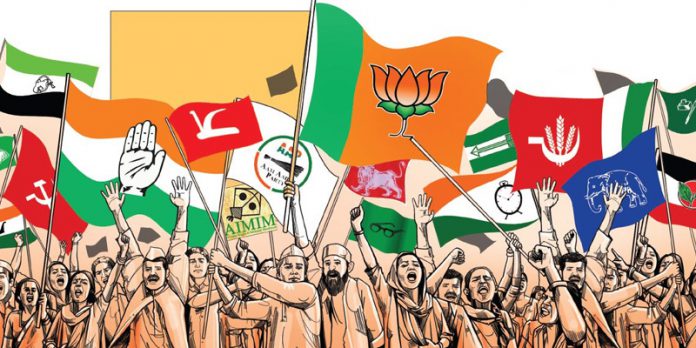
Political analysts suggest that this friction highlights the growing tension between state governments run by opposition parties and the central administration. The Overseas Congress stated, 'If a Chief Minister seeks to engage with the international community to bring development to their state, the central government should act as a facilitator, not a gatekeeper based on party lines.'
Broader Implications for Federalism
The incident has sparked a wider conversation about the role of the Ministry of External Affairs in managing the international movements of state leaders. Critics argue that the 'political clearance' process, which is mandatory for all ministers, is becoming increasingly opaque and susceptible to executive influence.
As the political discourse intensifies, the opposition is calling for a transparent set of guidelines for international travel. They contend that without clear, objective criteria for granting travel permissions, the government will continue to face accusations of discrimination. The Overseas Congress remains firm in its stance that such actions do not serve the national interest and instead project an image of an internally fractured polity to the global community.
Ultimately, this episode serves as a significant case study in the ongoing friction between the center and the states, particularly regarding the management of India's 'soft power' abroad. The government has yet to issue a detailed public rebuttal addressing the specific grievances raised by the Overseas Congress, leaving the matter as a point of contention in the current political landscape.
How do you feel about this story?
Discussion
No comments yet. Be the first to share your thoughts.
Join the discussion
Sign in to share your thoughts on this story.