BNN Summary
Members of Parliament from Tamil Nadu have expressed strong collective opposition to the Centre's upcoming delimitation process, arguing it threatens the state's political representation. Concerns center on the potential penalization of states that have successfully implemented population control measures.
In-Depth Analysis
Asignificant political movement is brewing in Tamil Nadu as a cross-section of Members of Parliament has united to voice strong opposition against the Union Government's proposed delimitation exercise. The move, which aims to redraw electoral constituencies based on population metrics, has been met with skepticism and outright rejection by state representatives who fear it could disenfranchise the southern state.
The Core Concerns of Tamil Nadu Lawmakers
The primary grievance held by the Tamil Nadu delegation revolves around the methodology of delimitation. Critics argue that relying heavily on population statistics as the sole criteria for reallocating parliamentary seats will unfairly punish states like Tamil Nadu that have achieved significant success in population stabilization and family planning initiatives over the past several decades.
According to various MPs who attended recent consultative meetings, the state has been a model for demographic management. They contend that if the Centre moves forward with the delimitation process based on the most recent census data, the state risks losing its legislative weight in the Lok Sabha. 'Tamil Nadu will not be well served by this exercise,' remarked several delegates during a recent parliamentary gathering, emphasizing that the state should not be penalized for its progressive social welfare policies.
Political Divergence and Unity
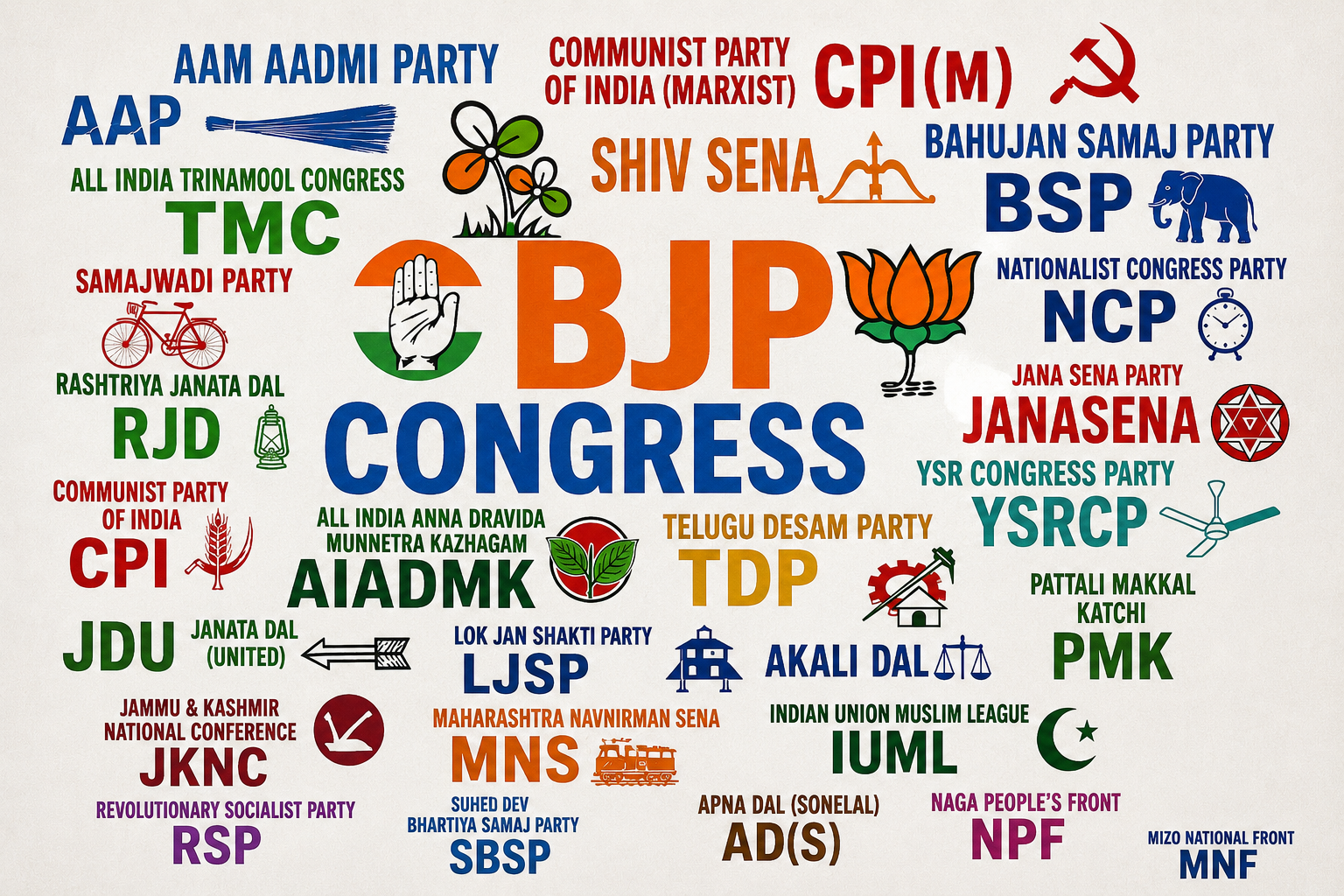
While the opposition to the move is largely unified in principle, the political landscape remains complex. Reports indicate that at least 21 of the 57 MPs representing the state gathered recently to formalize their stance against the proposed Bill. However, the political landscape in the state remains multifaceted; while some factions are vocally hostile, others are approaching the issue with calculated caution. For instance, the DMK has clarified its position by stating that it is not fundamentally opposed to the concept of delimitation in its entirety, provided that the process is transparent, fair, and inclusive of the unique socio-economic realities of southern India. MP Kanimozhi, representing the party, highlighted the need for a balanced process that protects the interests of all regions.
Potential Impact on National Integration
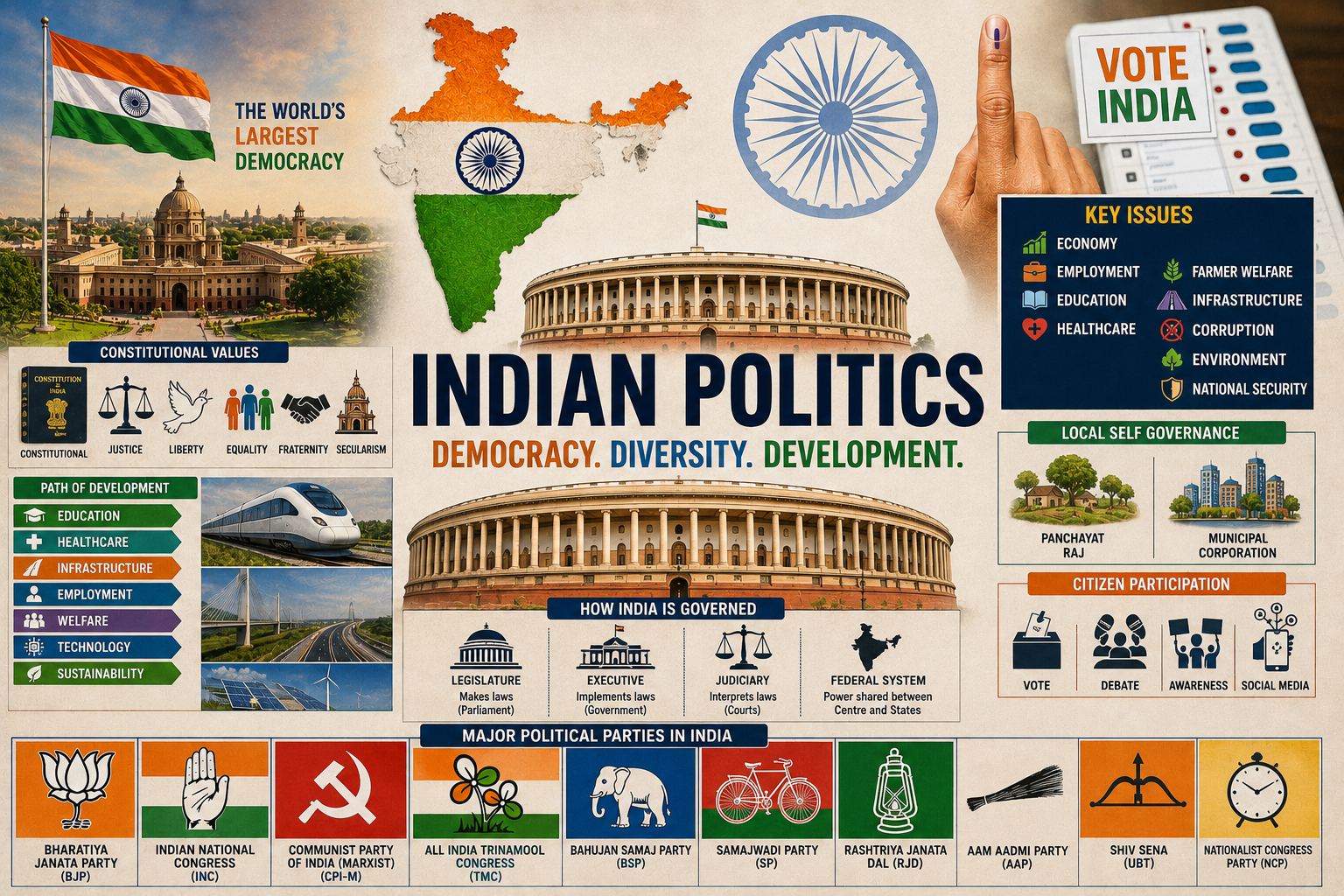
Experts suggest that this standoff highlights a deepening rift between the federal government and regional states regarding the 'north-south' political divide. The delimitation exercise has become a focal point for concerns about the dilution of regional voices in national decision-making. Lawmakers argue that the spirit of federalism necessitates that parliamentary representation should not be treated as a purely mathematical exercise based on population density.
As the debate moves forward, the state legislature and the parliamentary delegation from Tamil Nadu are expected to continue lobbying the Union Government to reconsider the parameters of the delimitation commission. They argue for a 'weightage system' that considers more than just raw population numbers, such as development indices, tax contributions, and adherence to national social goals. Whether the Centre will adjust its course to address these regional apprehensions remains the central question facing the nation's political landscape in the coming legislative session.
How do you feel about this story?
Discussion
No comments yet. Be the first to share your thoughts.
Join the discussion
Sign in to share your thoughts on this story.