
BNN Summary
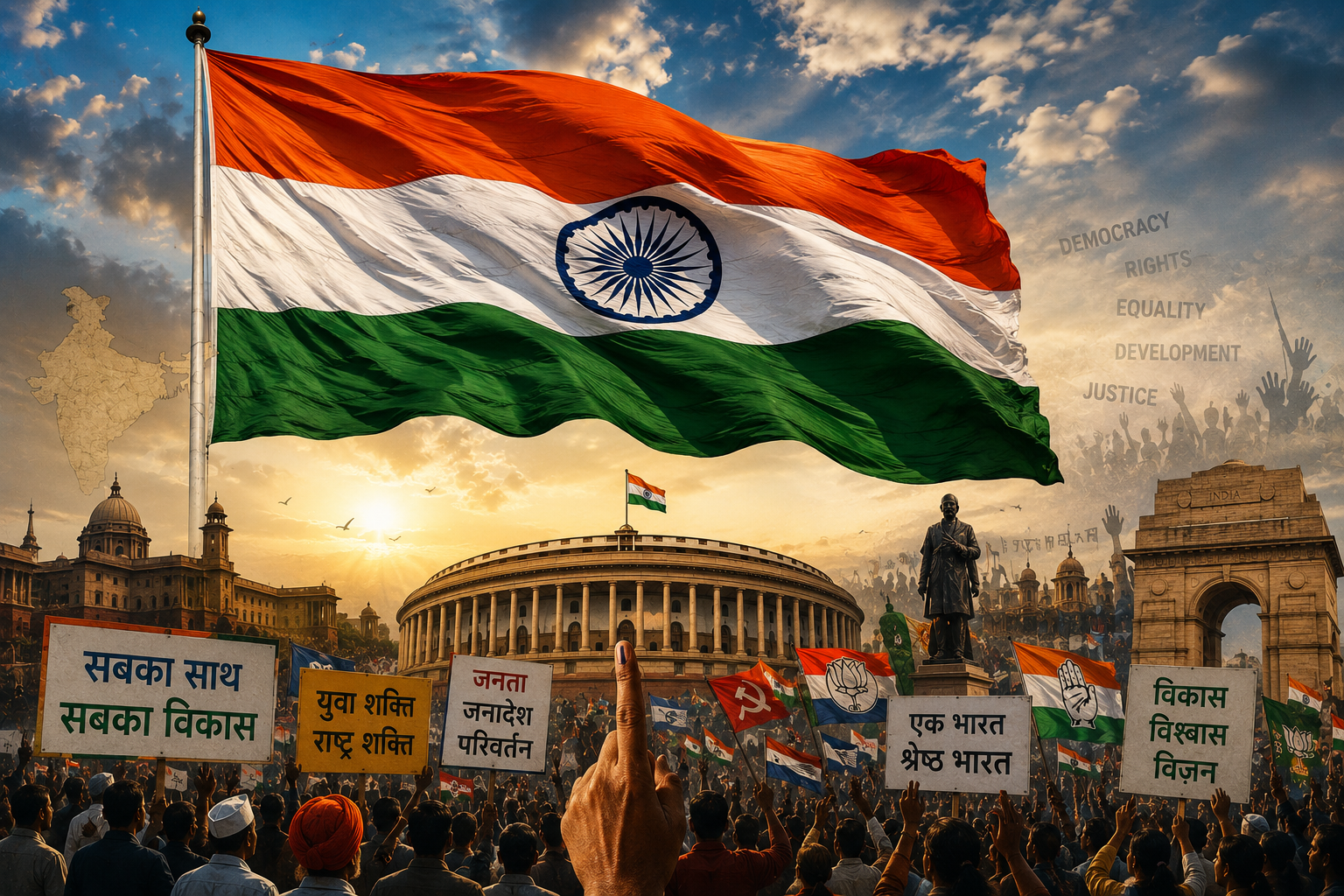
Recent political developments in India have been marked by significant parliamentary debates and unexpected reconciliations. From policy discussions in the legislature to evolving stances on generational cohorts by high-profile figures, the national discourse remains fluid and intense.
In-Depth Analysis
The political atmosphere in India is currently witnessing a period of intense activity, characterized by high-stakes parliamentary sessions and notable shifts in public discourse. As legislative bodies engage in critical debates regarding national governance, various political actors are recalibrating their public personas and strategic alliances to better resonate with the evolving demographics of the nation.
Parliamentary Deliberations and Legislative Action
Recent sessions in the Indian Parliament have seen lawmakers grapple with pressing socio-economic concerns. The focus remains heavily anchored on infrastructure development, fiscal policy, and the implementation of recent welfare schemes. Opposition benches have been vocal about administrative accountability, while the treasury benches have prioritized structural reforms aimed at long-term economic stability. Analysts observe that these sessions are not merely procedural but represent a broader effort to set the agenda for the upcoming election cycles. The legislative floor has become a battleground for competing visions of India's future, where technology integration and social justice remain the primary pillars of contention.
The Maharashtra Political Climate
In Maharashtra, the political landscape remains as volatile as ever. Regional alliances are being tested as local leaders navigate the complexities of power-sharing and public mandate. The state continues to be a focal point for national political strategy, given its massive contribution to the GDP and its pivotal role in national electoral math. Recent developments suggest that grassroots mobilization is being prioritized by all major parties, signaling an aggressive push to consolidate support bases before the next cycle of assembly elections. The interplay between state-level aspirations and central directives remains a defining feature of Maharashtra politics.
Generational Discourse and Shifting Stances
Adding a layer of cultural intrigue to the political narrative, public figures have begun to engage more deeply with the 'Gen Z' cohort. A notable instance includes actor and politician Kangana Ranaut, who recently underwent a significant shift in her rhetoric regarding the youth of India. Previously critical of certain generational attitudes, Ranaut recently adopted a conciliatory tone, labeling the younger generation as 'great'. She emphasized that they are an integral part of the government and the future of the nation, marking a departure from her earlier, more confrontational stance.
This shift reflects a wider realization among the political class that the youth demographic is becoming increasingly influential. By acknowledging the role of Gen Z in the governance process, political figures are attempting to bridge the ideological gap and ensure that their platforms remain relevant to a cohort that prioritizes transparency, environmental sustainability, and digital-first governance. This evolution in political communication serves as a reminder that the Indian voter base is changing, and traditional modes of engagement are being forced to adapt to a more tech-savvy and opinionated electorate.
How do you feel about this story?
Discussion
No comments yet. Be the first to share your thoughts.
Join the discussion
Sign in to share your thoughts on this story.


