Image: Wikipedia
BNN Summary
The Lok Sabha witnessed heated debates as the government introduced the Public Examinations (Prevention of Unfair Means) Amendment Bill 2026. While the administration positioned the legislation as a vital security measure against educational malpractice, the Opposition launched a fierce critique, linking the bill to recent controversies surrounding national entrance examinations.
In-Depth Analysis
The Lok Sabha descended into a high-stakes legislative battle on Tuesday, July 28, as the government officially tabled the Public Examinations (Prevention of Unfair Means) Amendment Bill 2026 for debate. The introduction of this bill followed six days of persistent stalemate and parliamentary gridlock, marking a pivotal moment in the ongoing national discourse regarding the integrity of recruitment and entrance examinations.
The Legislative Mandate
The government has framed this legislation as a 'zero-tolerance' approach toward systemic cheating and exam paper leaks. Union ministers speaking on behalf of the administration argued that the act of leaking examination papers is 'no less dangerous than terrorism' in its capacity to jeopardize the future of millions of youth. By proposing stringent penalties, including long-term imprisonment and hefty fines for facilitators, officials aim to create a psychological deterrent against organized syndicates that have allegedly compromised the sanctity of public testing.
Opposition Counter-Narrative
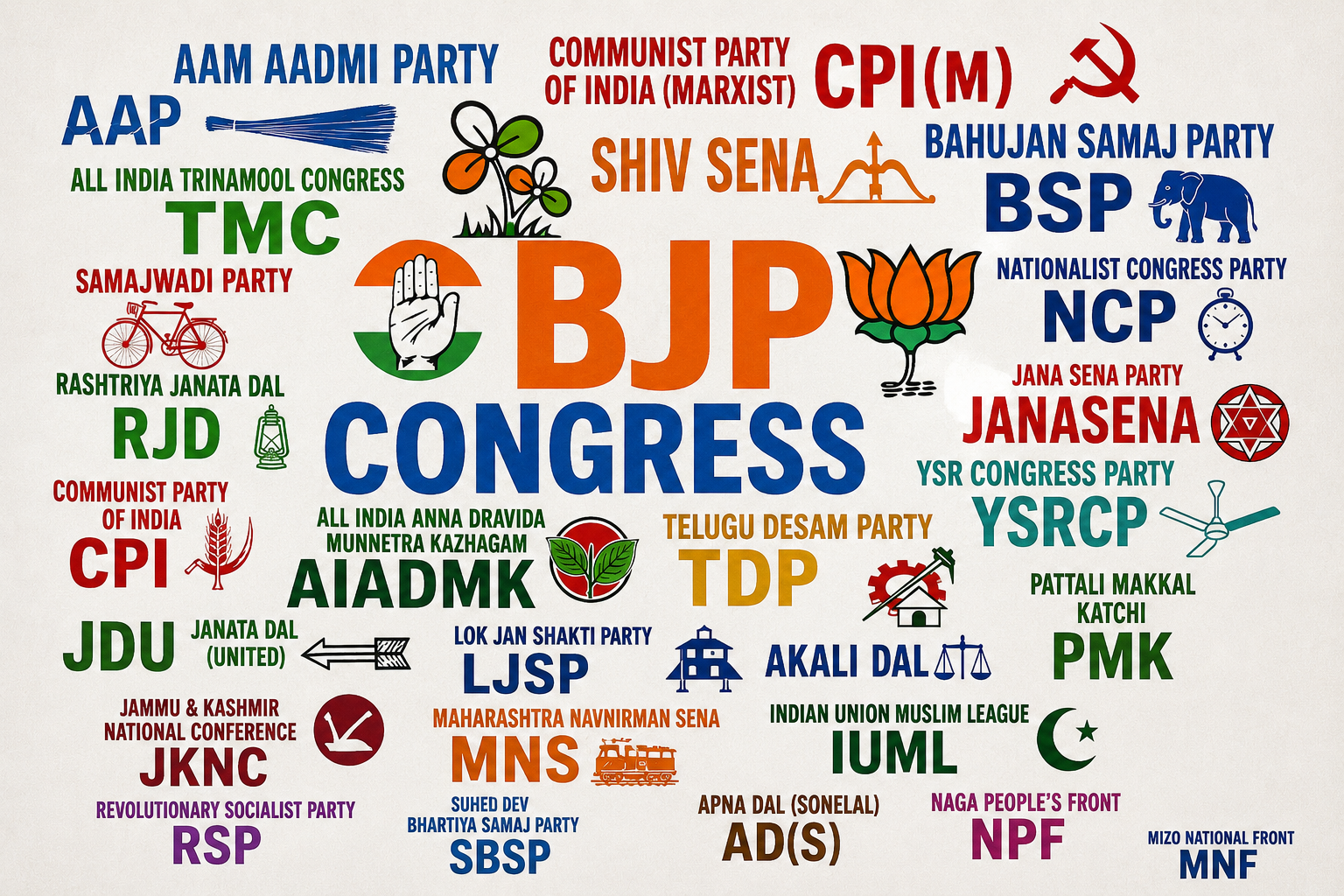
Conversely, the Opposition bench, emboldened by public concern, utilized the debate to turn the spotlight back on the government. Leaders from the opposition criticized the timing of the bill, labeling it a 'knee-jerk reaction' to the mounting pressure stemming from the NEET-UG paper leak controversy. The Opposition argued that the bill, while necessary in principle, does little to address the 'systemic rot' that has plagued various competitive exams over the past few years.
Members of the Opposition challenged the government on several fronts:
- Accountability: They demanded a comprehensive high-level inquiry into the agencies responsible for conducting these massive entrance tests.
- Infrastructure: The critique highlighted a lack of oversight in private-sector involvement in the printing and logistical handling of exam papers.
- Youth Empowerment: Speakers argued that legislation alone cannot solve the 'delulu' or detachment between policy-makers and the aspirations of students who face repeated cancellations and rescheduling of critical examinations.
A Divided House
The debate witnessed chaotic scenes as both sides exchanged barbs regarding 'FOMO' (fear of missing out on reform) and accusations of political opportunism. Government representatives accused the Opposition of attempting to destabilize the academic ecosystem for electoral gains, while the Opposition maintained that the government was attempting to shift blame toward external elements rather than taking responsibility for administrative failures.
As the session progressed, the debate moved beyond the technical nuances of the Bill. It morphed into a broader ideological confrontation about the state of higher education and the quality of governance in national recruitment bodies. Observers noted that while the intent of the Bill is supported across the aisle, the disagreement rests fundamentally on the execution of reform and the political culpability for past leaks.
As of the conclusion of the Tuesday session, the house remained divided. The government appears confident in passing the bill given its numbers, but the political cost of the debate has been high. The opposition has signaled its intent to keep the issue alive, promising to hold the administration accountable for the implementation of these new laws in future sessions. The coming days will determine whether this legislation serves as a genuine turning point or merely a symbolic gesture in the face of widespread institutional challenges.
How do you feel about this story?
Discussion
No comments yet. Be the first to share your thoughts.
Join the discussion
Sign in to share your thoughts on this story.