BNN Summary
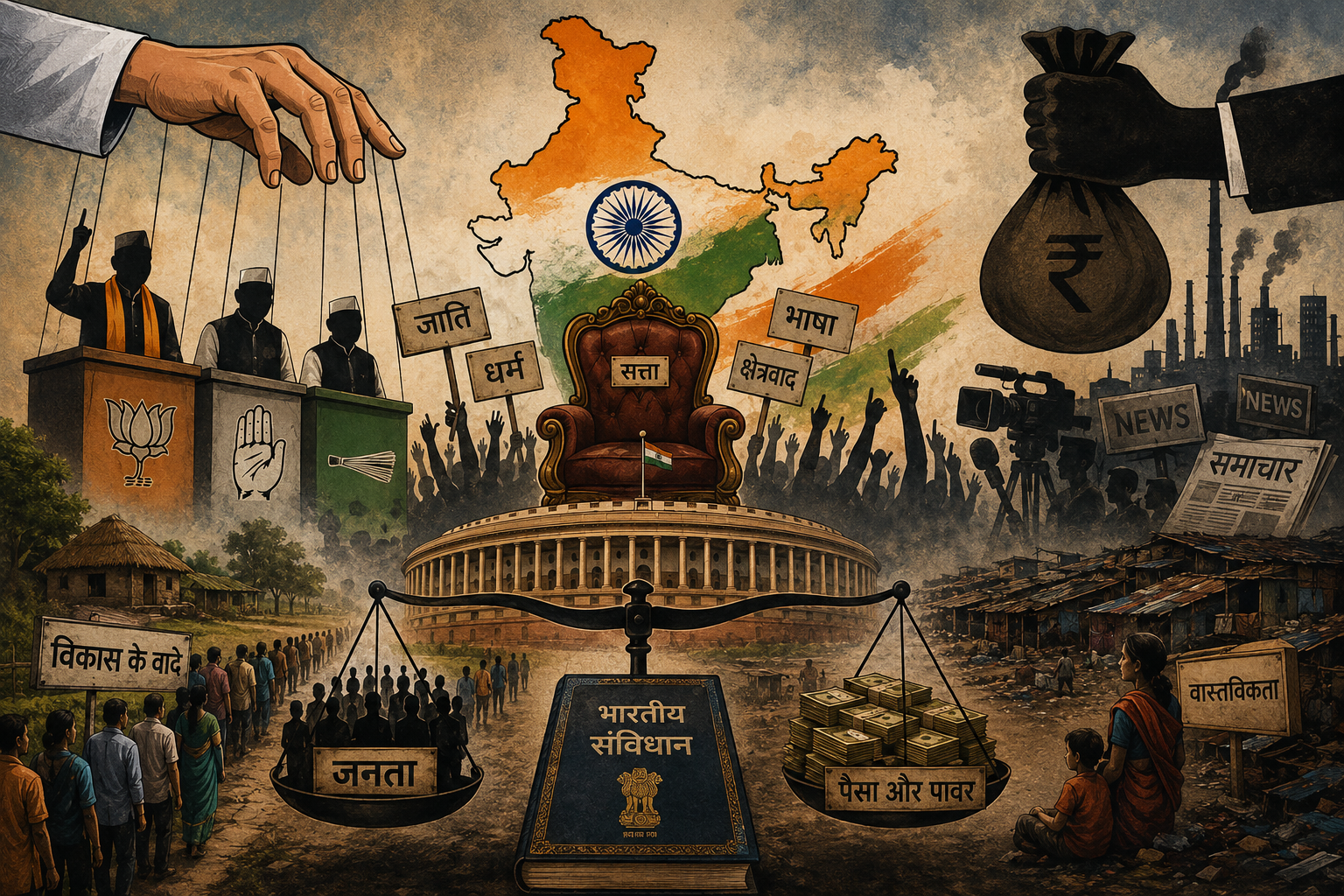
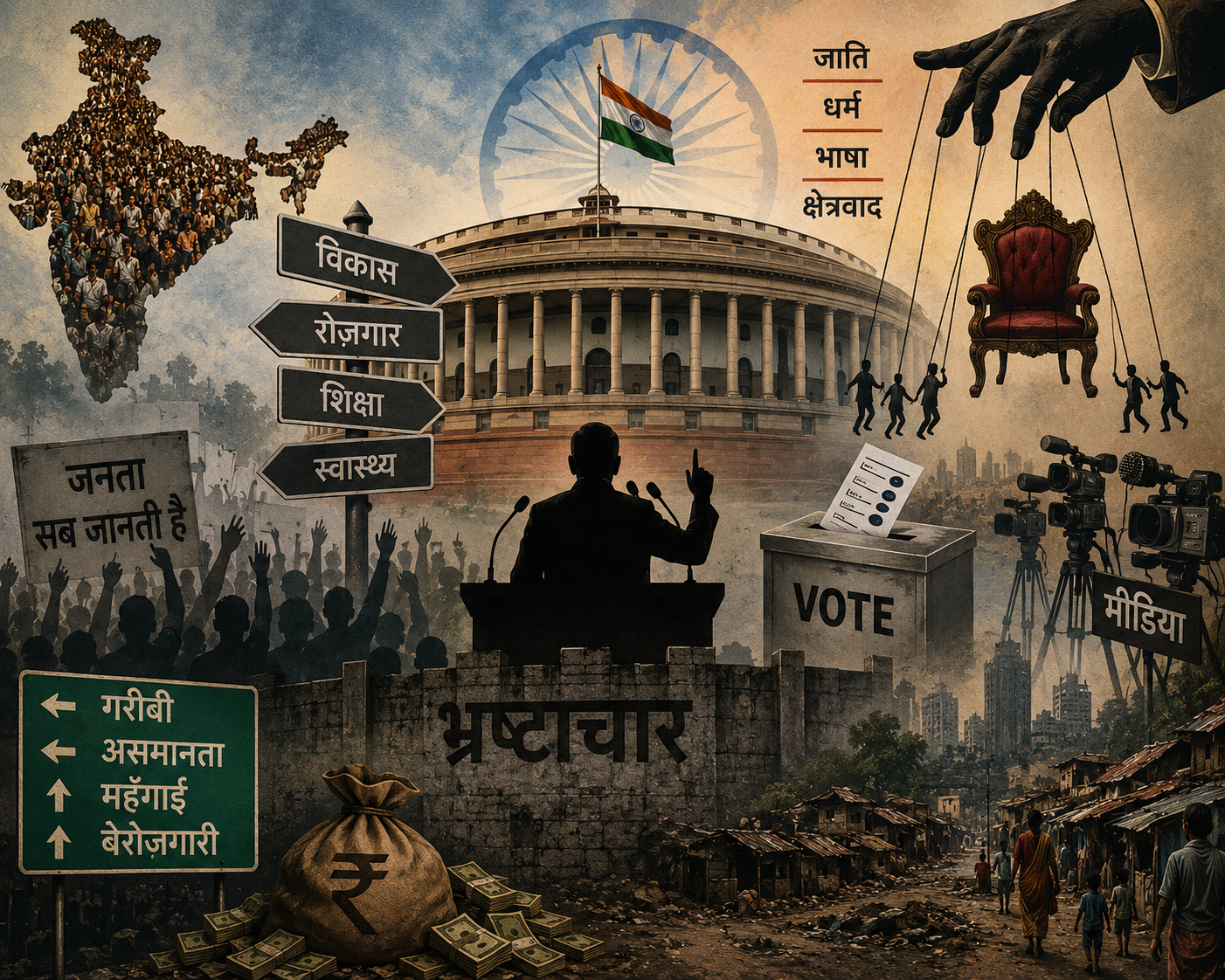
Telugu Desam Party leader Kommareddy Pattabhi Ram has sparked a significant political controversy by alleging that foreign powers are manipulating ongoing judicial protests within India. The claims center on accusations that international actors are attempting to destabilize local institutions under the guise of supporting civil rights.
In-Depth Analysis
In a recent broadcast of 'The Debate' on Republic World, Telugu Desam Party (TDP) spokesperson Kommareddy Pattabhi Ram made explosive allegations regarding the nature of ongoing protests concerning the Indian judiciary. According to Ram, there is clear evidence suggesting that external geopolitical entities are actively fueling and influencing domestic unrest to weaken the national democratic framework.
The Allegation of Foreign Influence
Ram argued that the protests, which have been framed by activists as grassroots movements for judicial independence, are being steered by international interest groups. He emphasized that these global powers seek to exploit internal political fractures for their own strategic gains. By casting doubt on the sanctity of Indian legal institutions, these entities allegedly hope to discredit the sovereignty of the Indian state on the global stage.
'The patterns of mobilization and the digital infrastructure being utilized suggest an orchestrated campaign that transcends local grievances,' Ram stated. He further noted that the funding and organizational support behind these protests point toward agencies that have historically been involved in regime change or internal destabilization efforts in other emerging economies. The TDP leader asserted that such interference is not merely a diplomatic faux pas but a calculated attack on India's internal security and the integrity of its constitutional processes.
Response to the Controversy
The claims have sent shockwaves through the political establishment, drawing sharp reactions from opposition figures and civil society organizations who view these comments as an attempt to divert attention from legitimate domestic policy failures. While the TDP maintains that the preservation of national sovereignty is paramount, critics suggest that such narratives are often deployed to delegitimize dissent.
Deconstructing the Narrative
Political analysts watching the situation have pointed out that this debate touches upon the broader issue of digital sovereignty and the weaponization of information warfare. With the proliferation of social media, the ability of foreign actors to amplify specific viewpoints or manipulate public sentiment has increased significantly. The TDP's stance reflects a growing trend among Indian political parties to link domestic unrest to external, often 'hidden' hands, framing political accountability as a national security issue.
Ram's comments during the debate centered on the following core arguments:
- Strategic Destabilization: Foreign entities aim to create a narrative of a 'dying democracy' to pressure the Indian government into concessions favorable to international interests.
- Financial Trails: He alleged that non-governmental organizations with questionable funding sources are serving as conduits for foreign money meant to organize protests.
- Information Warfare: The use of social media bots and global influence operations to manipulate the perception of the Indian judiciary abroad.
As the discourse continues, the central question remains whether there is empirical evidence to substantiate these claims or if this is a strategic move to insulate the government from legitimate criticism. The TDP insists that as a responsible political entity, it is their duty to alert the public to threats that compromise the nation from within and without.
How do you feel about this story?
Discussion
No comments yet. Be the first to share your thoughts.
Join the discussion
Sign in to share your thoughts on this story.