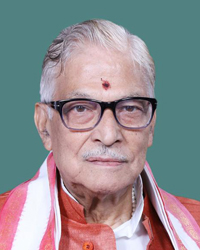
Image: Wikipedia
BNN Summary
Veteran Bharatiya Janata Party leader Murli Manohar Joshi has voiced his support for students protesting against alleged irregularities in the NEET examination process. His intervention adds a significant layer to the ongoing debate surrounding examination transparency and systemic educational reform in India.
In-Depth Analysis
In a development that has sent ripples through the Indian political landscape, veteran Bharatiya Janata Party (BJP) leader and former Union Minister Murli Manohar Joshi has publicly expressed his solidarity with students who have been protesting against widespread irregularities in the National Eligibility cum Entrance Test (NEET). The senior statesman, known for his long-standing commitment to academic and cultural discourse within the country, utilized social media platforms to address the grievances of thousands of students whose academic futures have been clouded by recent controversy.
The Growing Wave of Student Unrest
The NEET examination, which serves as the gateway for medical education across India, has faced severe criticism following reports of paper leaks, grace marks disputes, and systemic mismanagement. While environmental activist Sonam Wangchuk recently concluded his protest following appeals from various stakeholders, the broader student movement has continued to gain momentum. The involvement of senior leaders like Murli Manohar Joshi underscores the deepening concern within various political and intellectual circles regarding the integrity of the national examination system.
Joshi's Stance and Political Implications
Murli Manohar Joshi, a founding figure within the BJP's ideological framework, has traditionally championed the cause of educational reform. By choosing to speak out on the NEET issue, Joshi has signaled that the current state of affairs within the examination conducting bodies is a matter of national concern that transcends partisan lines. His support for the protesters has been interpreted by political analysts as an attempt to ensure that the voices of the youth are not sidelined in the pursuit of administrative convenience.
'The concerns raised by the students are not merely about a single examination; they reflect a deeper need for accountability and transparency in how we assess the future of our nation,' sources close to the developments indicated. Joshi's intervention provides a level of legitimacy to the students' demands for a comprehensive investigation into the processes overseen by the National Testing Agency (NTA).
Calls for Systemic Reform
The protest movement, which has seen participation from diverse sections of society including political figures like Rahul Gandhi and various student organizations, is now shifting focus toward long-term structural changes. The demands include:
- Transparent Investigation: A high-level, time-bound judicial inquiry into the alleged paper leaks.
- Technological Overhaul: Implementation of tamper-proof methods for paper distribution and evaluation.
- Accountability: Resignation or suspension of officials responsible for the current state of confusion.
- Policy Review: A re-evaluation of the central testing model to ensure it does not disadvantage students based on socioeconomic or regional backgrounds.
As the political temperature rises, the administration faces mounting pressure to address these issues definitively. With senior figures like Joshi stepping into the arena, the expectation for a transparent and proactive response from the Ministry of Education has reached an all-time high. The government must now navigate the delicate balance between maintaining the sanctity of the examinations and acknowledging the legitimate frustrations of the student body. The coming weeks will be critical in determining whether these protests lead to genuine reform or remain a temporary symptom of a flawed system.
How do you feel about this story?
Discussion
No comments yet. Be the first to share your thoughts.
Join the discussion
Sign in to share your thoughts on this story.