BNN Summary
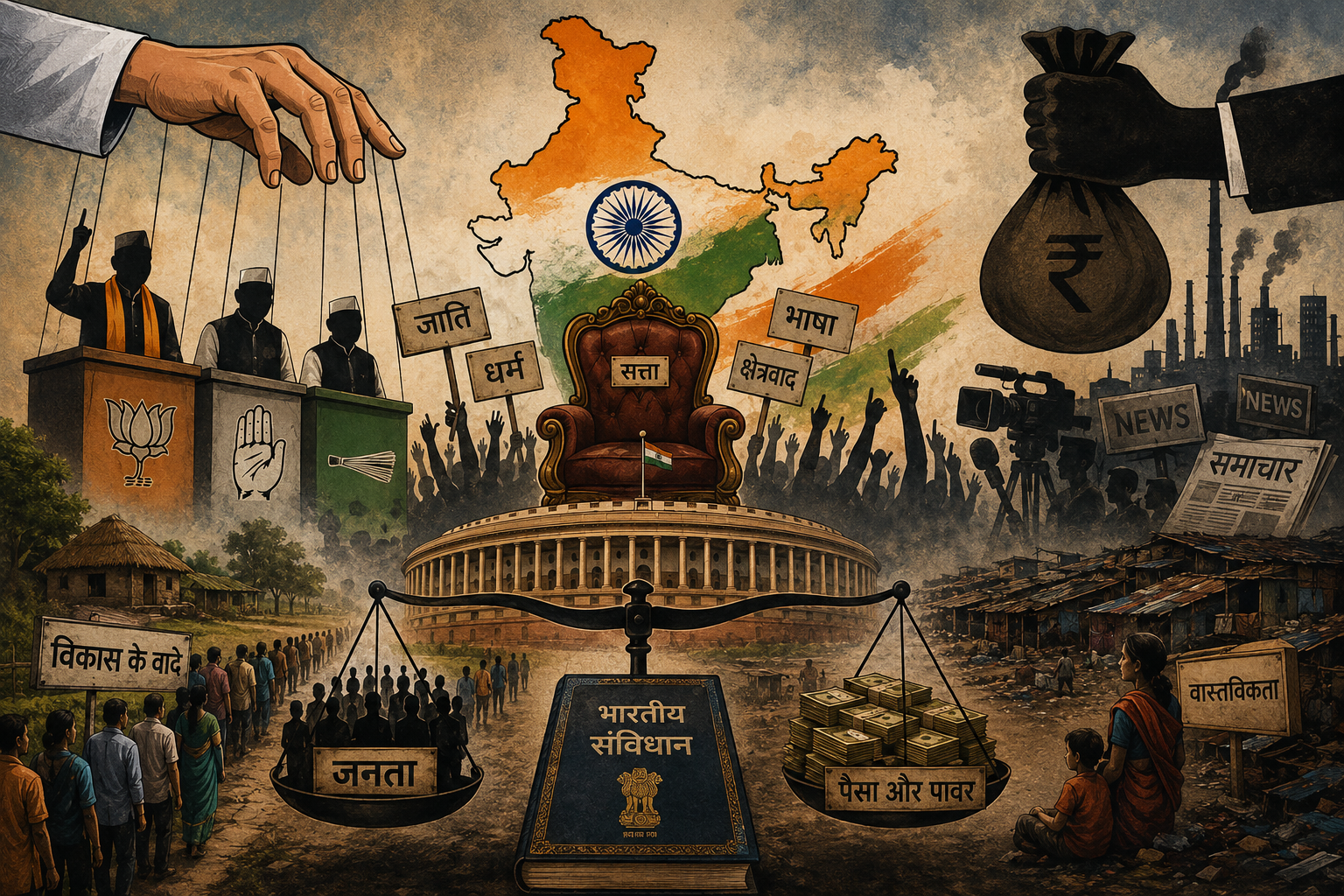
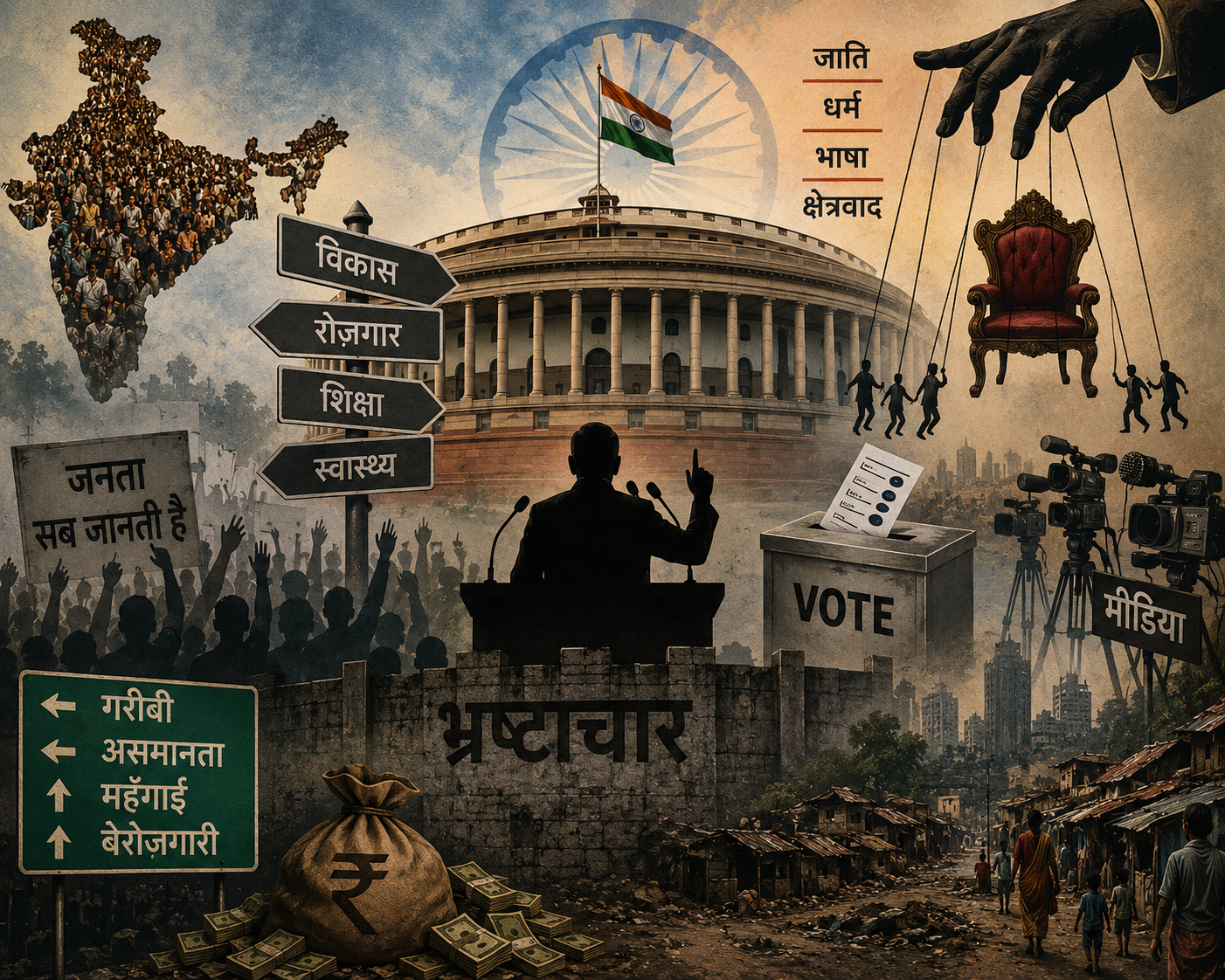
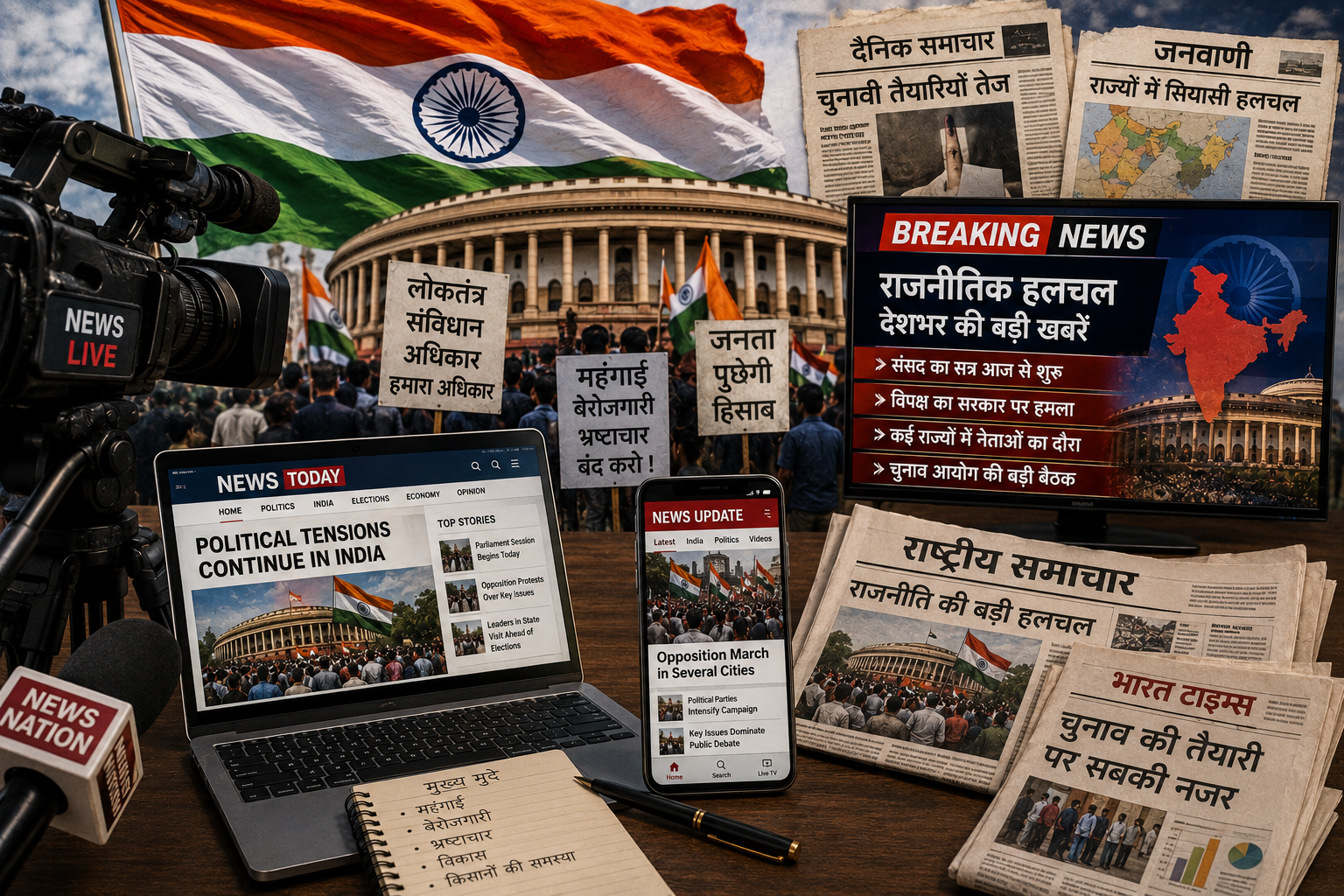
India's legislative proceedings remain gridlocked as opposition leaders demand an immediate discussion on the NEET examination paper leak. Despite government attempts to pivot, the controversy surrounding the medical entrance test continues to dominate the discourse, leaving thousands of students in a state of uncertainty.
In-Depth Analysis
The Indian Parliament has plunged into a state of profound disruption as the controversy surrounding the National Eligibility-cum-Entrance Test (NEET) continues to paralyze legislative business. Despite high-profile announcements from the central administration intended to steer the national narrative toward development and governance, the opposition bloc remains steadfast in its demand for a dedicated, high-level debate regarding the systemic failures that led to the leak of medical entrance examination papers.
The Anatomy of the Standoff
The tension within the hallowed halls of Parliament reached a crescendo this week as members of the INDIA alliance staged repeated protests in both the Lok Sabha and the Rajya Sabha. The opposition's primary contention rests on the perceived lack of accountability regarding the National Testing Agency (NTA), the body responsible for conducting the exams. They argue that the leak is not merely an isolated incident but a symptomatic failure of an institution tasked with determining the future of lakhs of aspiring doctors.
While the government has sought to dismiss the uproar as a politically motivated obstructionist tactic, the opposition maintains that the silence on the floor of the House is an insult to the millions of students and their families whose dreams have been compromised. The standoff has effectively halted the passage of several key legislative bills, stalling the government's current agenda for the session.
Government Strategy and Resistance
Prime Minister Narendra Modi recently attempted to shift the focus toward the broader goals of his third term, emphasizing economic growth, infrastructure development, and long-term nation-building strategies. However, this strategic pivot failed to resonate within the chambers of the legislature. The demand for a 'short-duration discussion' on the NEET scandal has become a non-negotiable prerequisite for the opposition to resume normal proceedings.
Government ministers have countered these claims by asserting that they are open to a discussion within the established framework of the rules of the House. They emphasize that the ministry has already initiated a massive overhaul of the testing protocols and has requested a thorough probe by central investigative agencies. Nevertheless, the opposition views these measures as 'too little, too late', demanding an explicit commitment from the Prime Minister himself to address the floor.
The Human Cost and Institutional Crisis
The ripple effects of the NEET leak extend far beyond the political maneuvering in New Delhi. For students across the country, the uncertainty surrounding re-examination schedules and the integrity of the selection process has caused immense mental anguish. Many have taken to the streets in cities like Kota, Delhi, and Lucknow, demanding systemic reforms that go beyond temporary fixes.
Experts suggest that the current parliamentary impasse is a litmus test for the strength of democratic discourse in the country. The failure to address the NEET issue through constructive dialogue highlights a deepening divide between the treasury benches and the opposition, setting a challenging precedent for the remainder of the legislative session. As the deadlock continues, the public gaze remains fixed on whether the government will concede to the demand for a debate or if the legislative gridlock will force a further erosion of institutional trust.
How do you feel about this story?
Discussion
No comments yet. Be the first to share your thoughts.
Join the discussion
Sign in to share your thoughts on this story.