BNN Summary
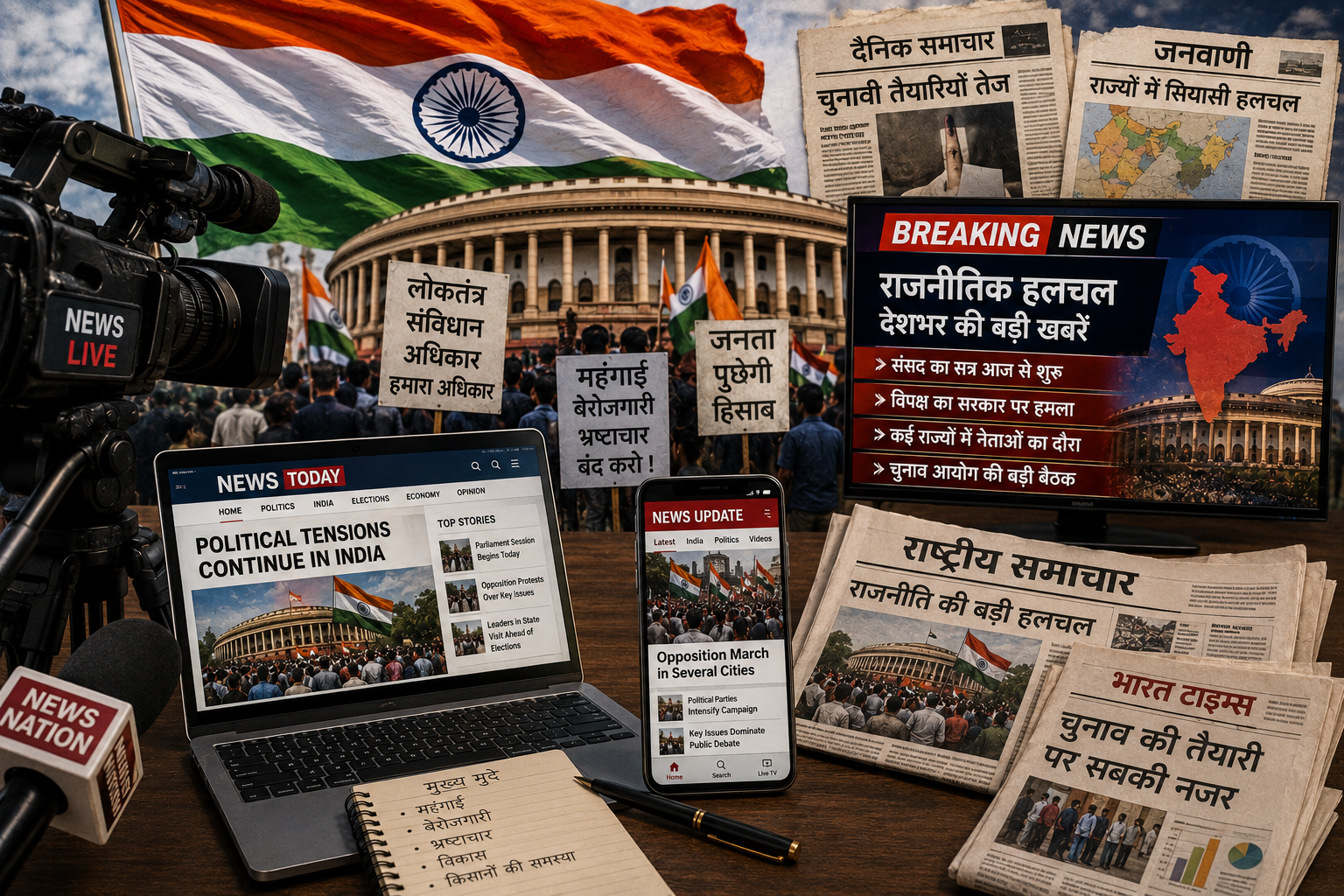
As the Monsoon Session of the Indian Parliament approaches, opposition leaders are aligning their strategies to challenge the government. Key issues including the NEET-UG examination integrity, the Ram Mandir developments, and legislative concerns like the FCRA are expected to dominate the discourse.
In-Depth Analysis
New Delhi - The Indian political landscape is bracing for a highly contentious Monsoon Session of Parliament, with opposition parties scheduling high-level strategy meetings to coordinate their stance against the government. As the legislative agenda takes shape, leaders from various opposition groups have signaled their intent to corner the ruling Bharatiya Janata Party (BJP) on several pressing national issues, most notably the integrity of the NEET-UG medical entrance examination.
Focusing on Accountability and Transparency
Central to the opposition's strategy is the ongoing controversy surrounding the NEET-UG paper leak allegations. Congress General Secretary Jairam Ramesh has emphasized that the party will prioritize the concerns of millions of students and their families who feel aggrieved by the irregularities in the examination process. The opposition alliance plans to demand a comprehensive debate on the floor of the house, seeking transparency from the Ministry of Education. The demand is likely to be framed around the necessity for stricter oversight mechanisms to prevent future systemic failures that impact the lives of aspiring doctors across the nation.
Addressing Societal and Religious Discourse
Beyond educational reforms, the opposition intends to introduce discussions regarding the recent developments concerning the Ram Mandir in Ayodhya. While the temple construction has been a hallmark project for the ruling party, opposition leaders are expected to pivot the narrative toward the societal impact of these events, aiming to keep the government on its toes regarding secular governance and regional development. By bringing these issues to the parliamentary forum, opposition parties hope to force a record of the government's response to sensitive identity-based politics.
Legislative Challenges and Procedural Concerns
The government has indicated that it intends to introduce several pieces of legislation during this session, including matters pertaining to the Foreign Contribution Regulation Act (FCRA) and potentially new bills relating to national infrastructure and railway expansion, such as the Vande Mataram project initiatives. The opposition has expressed skepticism, with spokespersons suggesting that the government often attempts to rush bills through without sufficient scrutiny by parliamentary standing committees.
The BJP's Rebuttal
In response to these developments, the BJP has accused the Congress and its allies of political theater. BJP National Spokesperson Shehzad Poonawalla recently characterized the opposition's activities as a desperate attempt to stir unrest. He specifically alleged that the opposition is manufacturing crises regarding delimitation and other administrative processes to deflect from their own lack of a cohesive policy agenda. The ruling party maintains that it is prepared to debate any issue provided it adheres to parliamentary decorum and is not used merely as a tool for disruptive protests.
Strategic Unity
As the session nears its opening, the goal for the opposition is to maintain solidarity. The upcoming meeting on July 20 serves as the foundational moment where individual party goals will be synchronized into a collective front. If successful, this unified approach could significantly alter the dynamics of the legislative proceedings, turning the Monsoon Session into a platform for intense political debate rather than a routine procedural exercise.
How do you feel about this story?
Discussion
No comments yet. Be the first to share your thoughts.
Join the discussion
Sign in to share your thoughts on this story.