BNN Summary
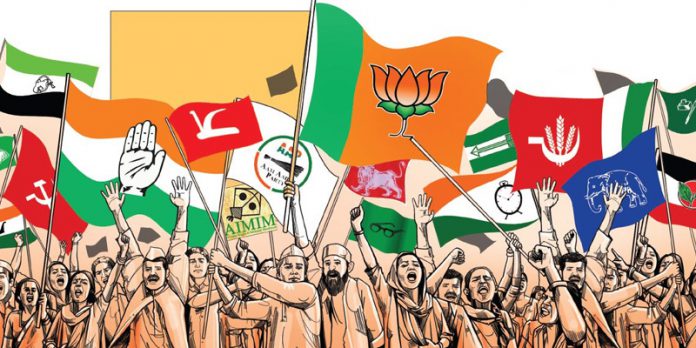
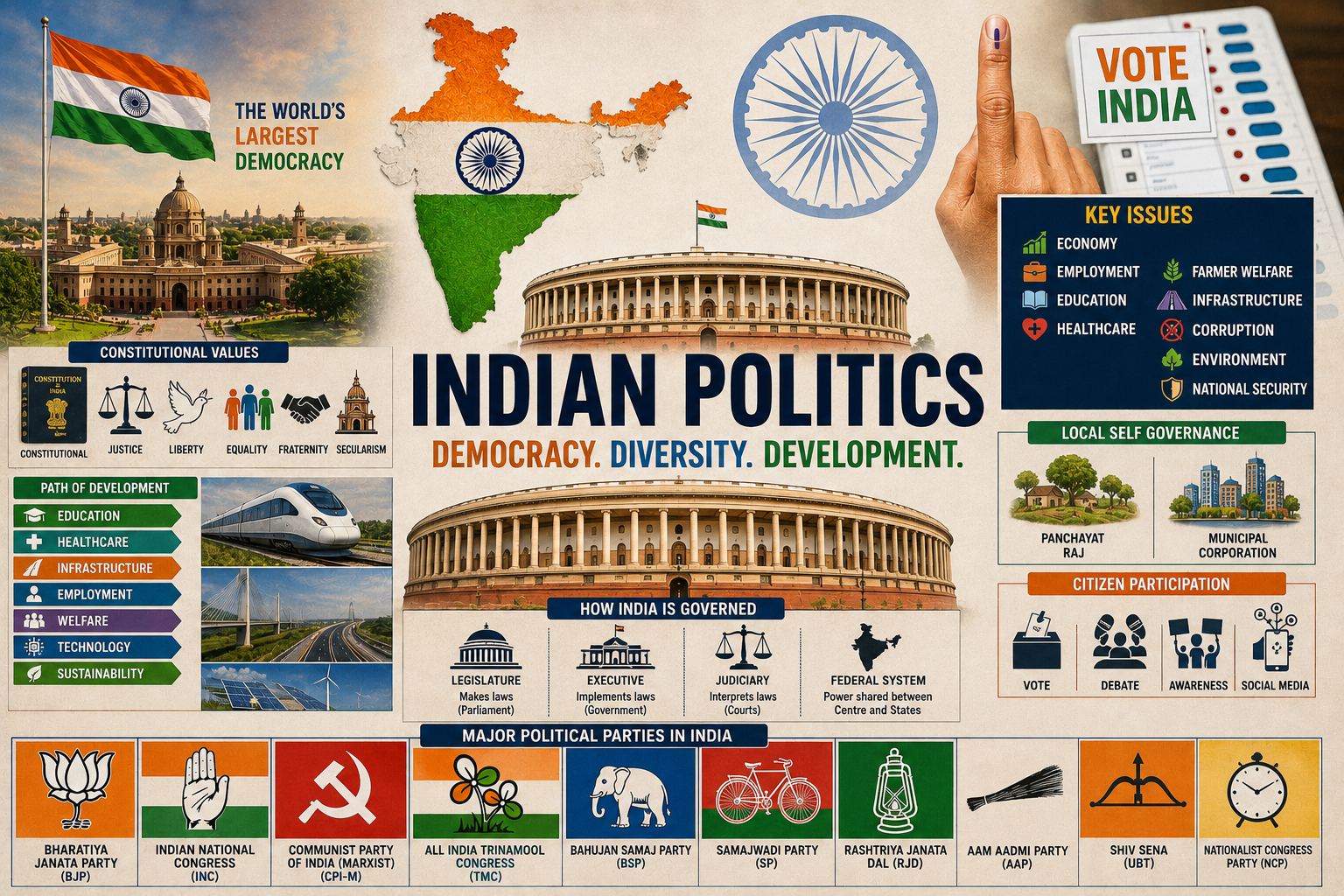
The Indian National Congress is actively coordinating with INDIA bloc allies to prevent the Bharatiya Janata Party from securing a two-thirds majority in the Lok Sabha. Senior leaders confirm ongoing dialogues with key opposition parties, including the DMK and AAP, to ensure a unified stance against legislative maneuvers that require constitutional amendments.
In-Depth Analysis
The Indian National Congress has intensified its efforts to consolidate the INDIA bloc, signaling a strategic push to thwart the Bharatiya Janata Party (BJP) from achieving a two-thirds majority in the Lok Sabha. As the political landscape grows increasingly polarized, Congress leadership has confirmed that they are in active, high-level communications with key opposition allies. The primary objective is to maintain a unified front that can effectively challenge the government's legislative agenda, particularly regarding bills that necessitate a constitutional amendment.
Strategic Coordination Among Allies
Senior Congress strategists revealed that the party is currently coordinating with a broad spectrum of opposition entities, including the Dravida Munnetra Kazhagam (DMK), the Aam Aadmi Party (AAP), and various other regional organizations that previously demonstrated resistance to controversial legislation. This collaborative effort was prominently observed during the voting process for the Delimitation Bill earlier this year, where these parties formed a cohesive bloc to register their dissent.
The Congress leadership is operating on the premise that the BJP's goal of reaching the two-thirds threshold is not merely a political aspiration but a specific intent to alter the constitutional framework. By maintaining constant communication, the INDIA alliance aims to ensure that no single piece of legislation passes without rigorous scrutiny and opposition presence on the floor of the House.
Concerns Over Constitutional Amendments
At the heart of this maneuver is a deep-seated apprehension regarding the potential for far-reaching constitutional changes. A two-thirds majority is the constitutional 'golden ticket' required to amend the basic structure or critical tenets of the Indian Constitution. Opposition leaders have repeatedly expressed concern that the ruling party intends to push through reforms that could centralize power, alter state-center dynamics, or change the existing reservation policies.
'We are fully aware of the numerical requirements in the Lok Sabha,' a senior Congress party functionary stated. 'Our coordination is not just about day-to-day parliamentary business; it is about protecting the sanctity of our democratic institutions. We are in touch with all our partners, including those who have had historical differences, because the national interest demands a unified opposition.'
The Road Ahead for INDIA
As the Monsoon session looms, the INDIA bloc is fine-tuning its floor management strategies. This includes assigning specific responsibilities to members of various parties to ensure that attendance remains high during critical votes. The Congress is acting as the primary interlocutor, attempting to iron out state-level differences between allies—such as the regional tensions between the AAP and Congress in certain northern states—to prioritize the national goal of keeping the BJP below the critical majority threshold.
The political battle is expected to be fierce. While the BJP maintains a dominant presence in the Lower House, the organized resistance led by the Congress could potentially delay or significantly alter the government's legislative roadmap. Observers note that this is the first time since the general elections that the opposition has moved so transparently to block a specific numerical target for the ruling party, marking a significant pivot in parliamentary tactics.
How do you feel about this story?
Discussion
No comments yet. Be the first to share your thoughts.
Join the discussion
Sign in to share your thoughts on this story.