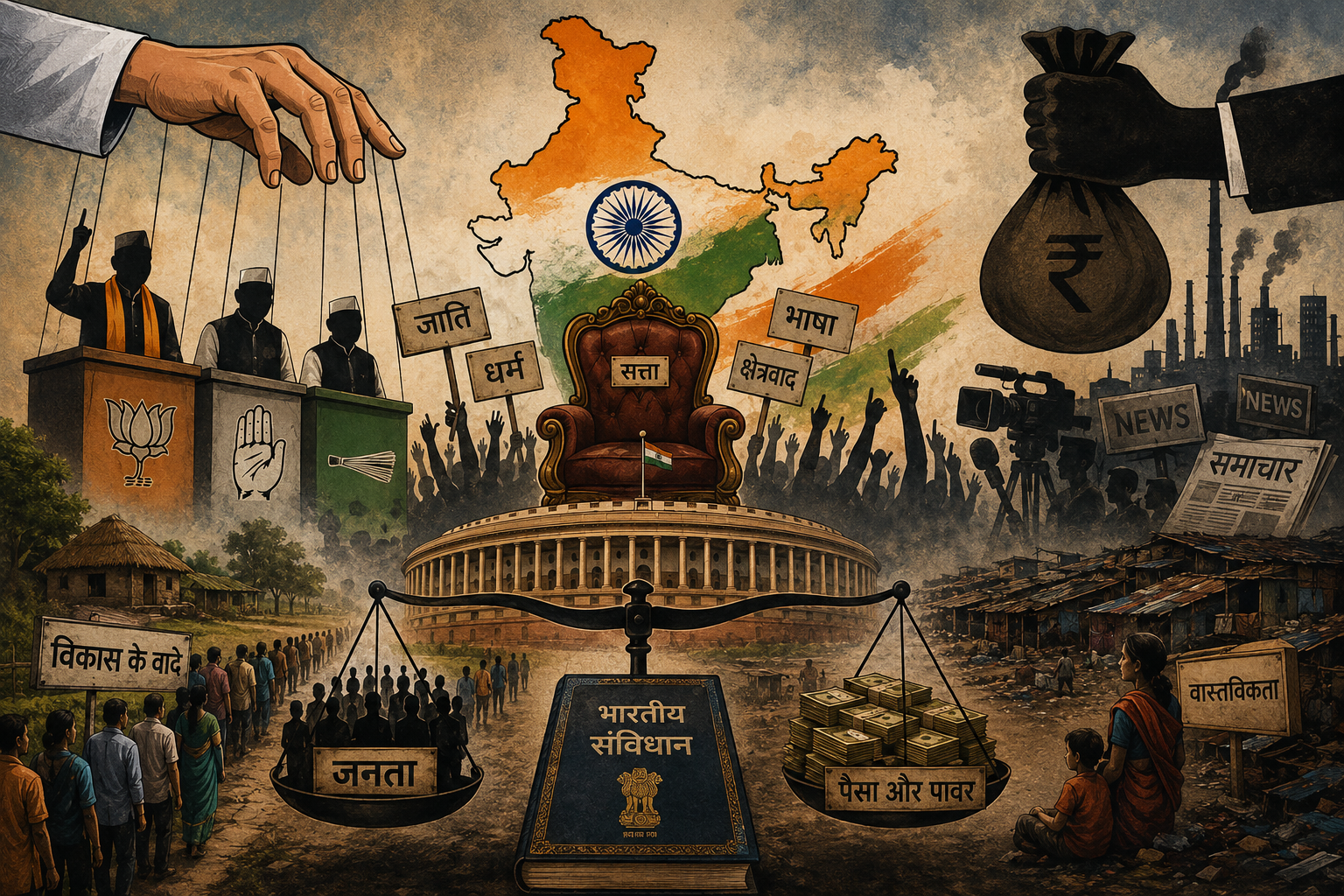
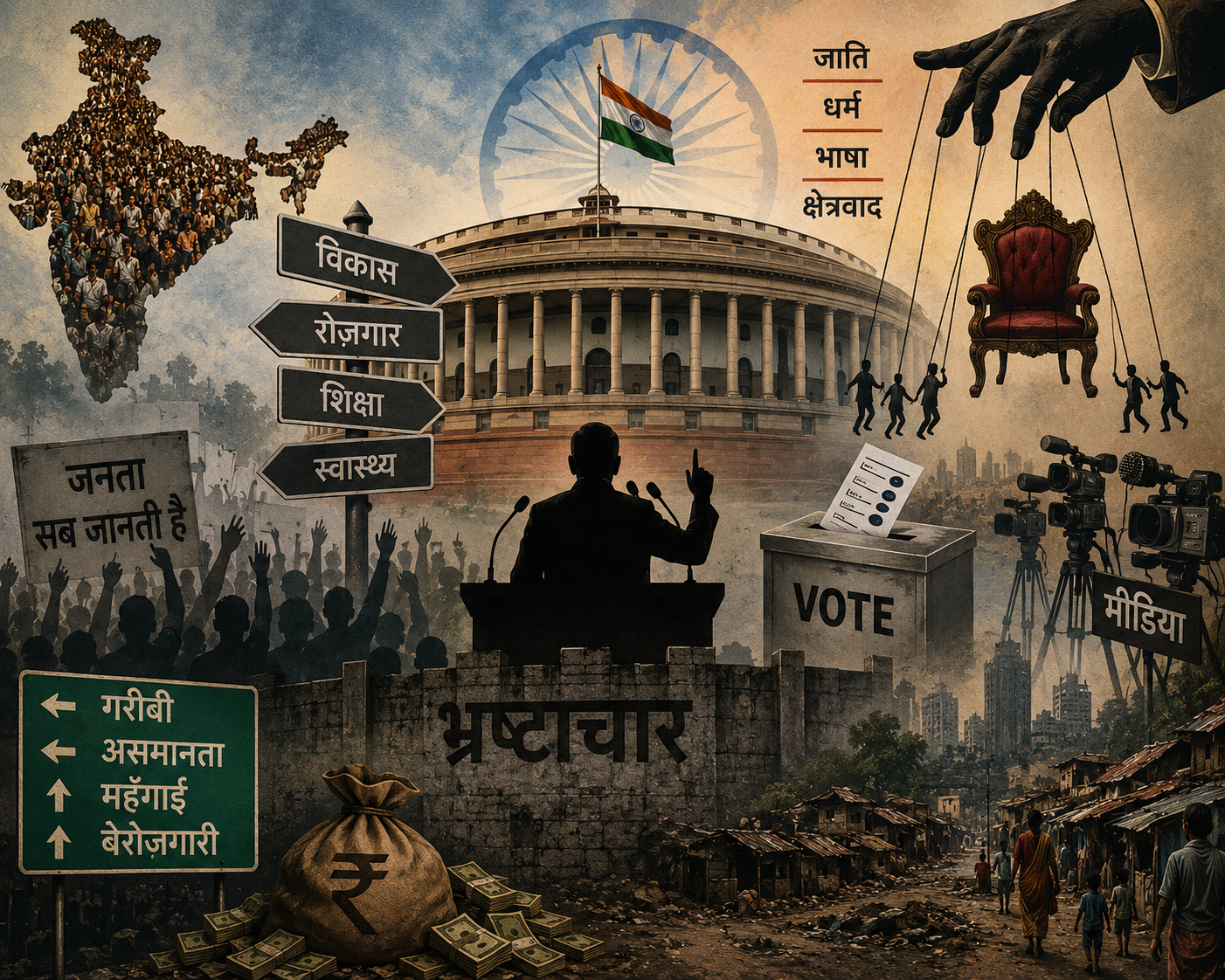
Image: Wikipedia
BNN Summary
Senior Congress leader P. Chidambaram has entered the ongoing national discourse, addressing both the fluid political landscape in Maharashtra and broader ideological conflicts. His recent interventions highlight deep-seated tensions between the opposition and the ruling coalition regarding governance, regional stability, and constitutional integrity.
In-Depth Analysis
The political landscape in India remains highly volatile as senior Congress leader and former Union Minister P. Chidambaram continues to voice strong dissent against the ruling administration's tactics. His recent commentary arrives at a time when the political climate, particularly in Maharashtra, is witnessing significant instability, exacerbated by allegations of systemic efforts to dismantle opposition parties.
The Maharashtra Political Crisis
At the heart of the current political friction is the perceived destabilization of the Nationalist Congress Party (NCP). Congress leader Nana Patole has openly accused the ruling establishment of orchestrating a calculated strategy to poach lawmakers from opposition ranks. Chidambaram, echoing these concerns, has suggested that such maneuvers are not merely local incidents but part of a broader, centralized push to undermine democratic institutional norms across Indian states.
He argues that the erosion of party lines through aggressive political recruitment strategies creates a environment of uncertainty. This, he maintains, hampers the ability of regional parties to function effectively as part of a healthy democratic structure. The Congress leadership, including Chidambaram, remains adamant that these shifts are orchestrated to dilute the influence of opposition alliances like the Maha Vikas Aghadi (MVA).
National Policy and Ideological Battles
Beyond regional issues, Chidambaram has taken a firm stance against the narrative being propagated by Bharatiya Janata Party (BJP) representatives. While BJP national spokesperson RP Singh has recently defended the government's stance on Article 370 and broader cultural policy implementations such as the Kanwar Yatra, Chidambaram characterizes these topics as distractions from substantive economic failure.
Key points of his critique include:
- Constitutional Integrity: His continued opposition to the handling of issues surrounding the former state of Jammu and Kashmir, often directly challenging the government's justification for constitutional amendments.
- Economic Policy: Chidambaram has highlighted that while the government promotes potential benefits from international agreements like the India-UK trade pact, the domestic reality for the average citizen remains bleak due to inflation and lack of employment opportunities.
- Politics of Appeasement: Addressing allegations of 'appeasement politics' leveled by opposition critics, he argues that the government uses such labels to polarize the electorate, thereby avoiding a factual debate on developmental milestones.
A Broader Outlook
Chidambaram's interventions reflect a strategic pivot for the Congress party. By linking the local 'poaching' allegations in Maharashtra to the national narrative of 'coercive governance,' he aims to build a coherent argument that the current administration is dismantling the fundamental checks and balances of the Indian republic. As the country approaches critical election cycles, his focus remains on framing these developments not just as political skirmishes, but as existential threats to the pluralistic character of the nation. He continues to press for a transparent investigation into the funding and motives behind the sudden shifts in loyalties among regional legislators, suggesting that the nexus between state power and political reorganization requires immediate judicial or public scrutiny.
How do you feel about this story?
Discussion
No comments yet. Be the first to share your thoughts.
Join the discussion
Sign in to share your thoughts on this story.