BNN Summary
Congress General Secretary Jairam Ramesh discusses the evolving strategy of the INDIA alliance, the political trajectory of Rahul Gandhi, and the upcoming challenges against the BJP ahead of the 2029 electoral cycle.
In-Depth Analysis
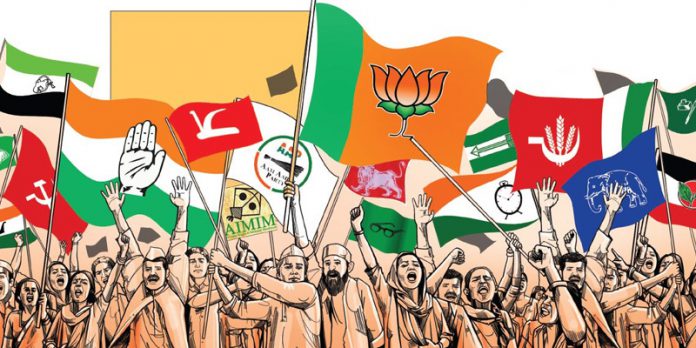
In a wide-ranging and candid conversation on the latest episode of Unpolitics, Congress General Secretary Jairam Ramesh has provided a deep dive into the current state of Indian opposition politics. As the INDIA bloc recalibrates its strategy following the recent general election, Ramesh emphasized that the alliance is no longer just a tactical electoral arrangement but a 'sustained ideological front' aimed at reclaiming the democratic narrative in India.
The Evolution of the INDIA Bloc
Ramesh underscored that the success of the INDIA coalition in the 2024 elections was not a fleeting phenomenon but a testament to the growing public dissatisfaction with the central government's policies. He argued that the bloc has moved beyond state-level seat-sharing agreements and is now focused on building a coherent national platform. According to the veteran Congress leader, the priority for the next phase of the alliance involves strengthening inter-party coordination, developing a unified stance on economic issues, and countering the narrative dominance of the Bharatiya Janata Party (BJP).
Rahul Gandhi’s Political Trajectory
Addressing the role of Rahul Gandhi, Ramesh pointed to the 'Bharat Jodo Yatra' and subsequent outreach programs as transformative moments for the former Congress president. He described Gandhi's approach as one rooted in 'empathy and accountability,' noting that his willingness to engage directly with diverse segments of the population has forced the BJP to shift its own electoral outreach strategies. Ramesh insisted that Gandhi has emerged as the principal voice of dissent in the country, effectively challenging the ruling party's hold on the national discourse regarding social justice and constitutional integrity.
Challenges for 2029
Looking toward the 2029 general elections, Ramesh acknowledged the organizational and resource-based challenges faced by the opposition. He highlighted that the BJP's massive election machinery requires a more agile and grassroots-focused response from the Congress party. Key areas of focus, as outlined by Ramesh, include:
- Economic Reform Advocacy: Promoting a vision for wealth redistribution and job creation that contrasts with current industrial policies.
- Constitutional Defense: Positioning the Congress and its allies as the primary protectors of democratic institutions, which Ramesh claims are currently under 'systemic pressure.'
- Regional Dynamics: Ensuring that state-level partners within the INDIA bloc remain aligned on national issues while maintaining the freedom to address local concerns.
Assessing the BJP's Strategy
Ramesh criticized what he termed the 'politics of diversion,' accusing the ruling party of creating artificial controversies to distract from pressing concerns such as unemployment, inflation, and agricultural distress. He remains confident, however, that the voter base is becoming increasingly discerning. He argued that the current political climate is showing signs of a 'democratic resurgence,' where voters are prioritizing bread-and-butter issues over the polarizing rhetoric often employed by the ruling establishment.
Conclusion
As the political landscape in India continues to shift, the comments from Jairam Ramesh reflect a party that is increasingly comfortable in its role as a persistent opposition. Whether the INDIA bloc can maintain this momentum through 2029 will depend on its ability to translate its ideological unity into a concrete governing alternative that resonates with the aspirations of a young and demanding electorate.
How do you feel about this story?
Discussion
No comments yet. Be the first to share your thoughts.
Join the discussion
Sign in to share your thoughts on this story.