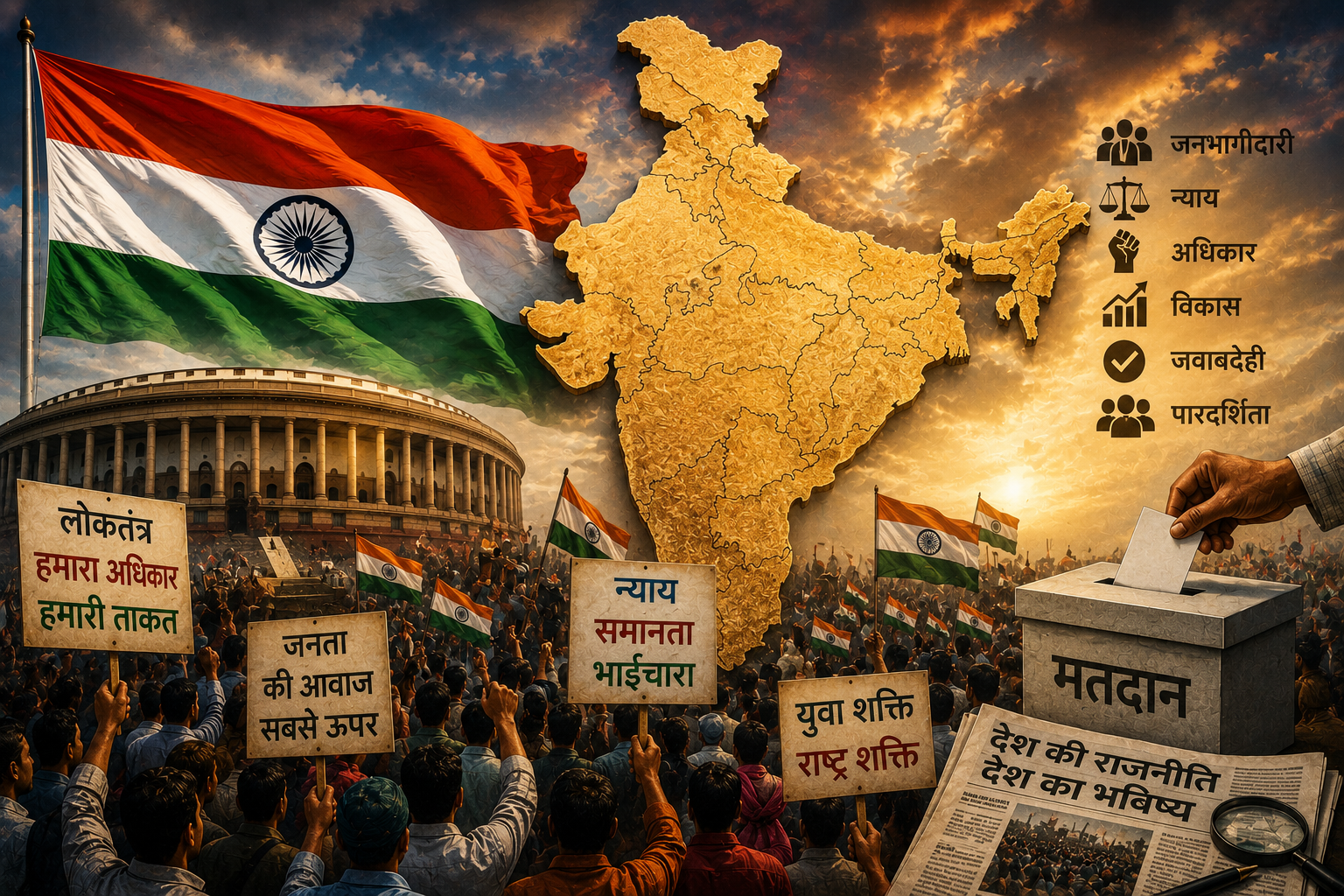
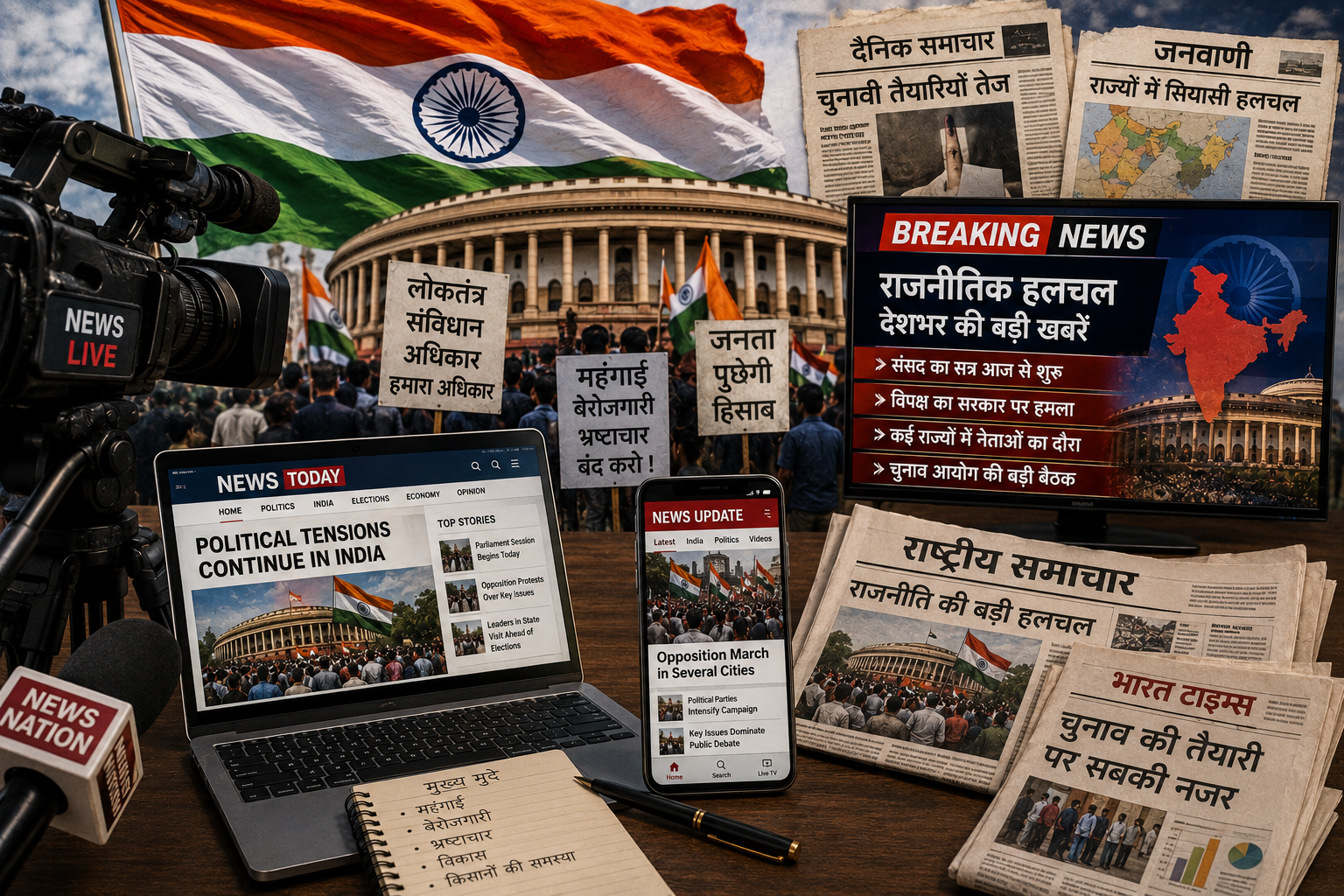
Image: Wikipedia
BNN Summary
Facing intense scrutiny over alleged financial irregularities regarding the Ram Temple trust donations, the Bharatiya Janata Party has shifted its strategy in Uttar Pradesh. The party is now leaning heavily into polarizing communal narratives to consolidate its voter base ahead of critical state assembly elections.
In-Depth Analysis
The political landscape in Uttar Pradesh is witnessing a significant shift as the Bharatiya Janata Party (BJP) navigates the dual pressures of administrative accountability and electoral strategy. Recently, the party has found itself on the defensive following widespread public allegations concerning a 'donation scam' involving the Shri Ram Janmabhoomi Teerth Kshetra Trust. As opposition leaders and civil society organizations demand a transparent investigation into land acquisition deals and fund management for the temple construction in Ayodhya, the BJP has noticeably pivoted toward a more familiar, albeit contentious, campaign tactic: the amplification of communal rhetoric.
The Fallout from the Donation Scandal
The controversy emerged following reports alleging that land purchased for the temple project was acquired at prices significantly higher than market valuation. These accusations, compounded by claims of procedural lapses in the handling of massive public contributions, have provided the opposition with a potent rallying cry. In an attempt to contain the political fallout, the BJP leadership has sought to deflect criticism by framing the allegations as a conspiracy against the 'sanctity of the Ram Janmabhoomi movement.' By doing so, the party aims to categorize legitimate financial inquiries as ideological attacks, effectively daring its critics to confront the religious sentiments of its core constituency.
Reverting to the Communal Textbook
Political analysts observe that the current rhetoric being deployed by BJP leaders in Uttar Pradesh mirrors strategies from previous cycles, where religious identity and historical grievances take center stage to override issues of governance, unemployment, and economic distress. Public rallies across the state have seen an increase in polarizing terminology, with party speakers emphasizing a 'binary of loyalists versus outsiders.' This approach is seen as a calculated effort to polarize the electorate, ensuring that the discourse shifts away from the audit-heavy scrutiny of the temple trust and toward the protective narrative of Hindu identity.
Electoral Stakes and Voter Sentiment
Uttar Pradesh remains the most significant battleground for the BJP as it eyes the national parliamentary landscape. The party recognizes that any dip in support within its northern heartland could have seismic implications for its broader electoral dominance. Therefore, the decision to lean into communal polarization is viewed as a 'defensive maneuver' intended to consolidate the vote share. While the opposition continues to document irregularities in temple funding, the BJP appears determined to frame the upcoming polls as a existential referendum rather than an evaluation of administrative performance.
Civil Society Response
Independent observers have expressed concern over the growing intensity of the rhetoric, noting that such strategies often deepen social fissures and distract from pressing systemic issues. Community leaders and activists have warned that the current path taken by the ruling party could incite communal tensions. Despite these warnings, the electoral machinery of the party remains fixated on using the temple narrative as a shield against the donation scam allegations. The coming months are expected to be marked by high-decibel debates as the BJP attempts to control the narrative while the opposition seeks to maintain the spotlight on financial transparency and accountability in public life.
How do you feel about this story?
Discussion
No comments yet. Be the first to share your thoughts.
Join the discussion
Sign in to share your thoughts on this story.