Image: Wikipedia
BNN Summary
The Joint Parliamentary Committee chairman has indicated that the ambitious One Nation One Election initiative could be implemented by 2029, even as the opposition raises concerns about its impact on federalism and regional stability.
In-Depth Analysis
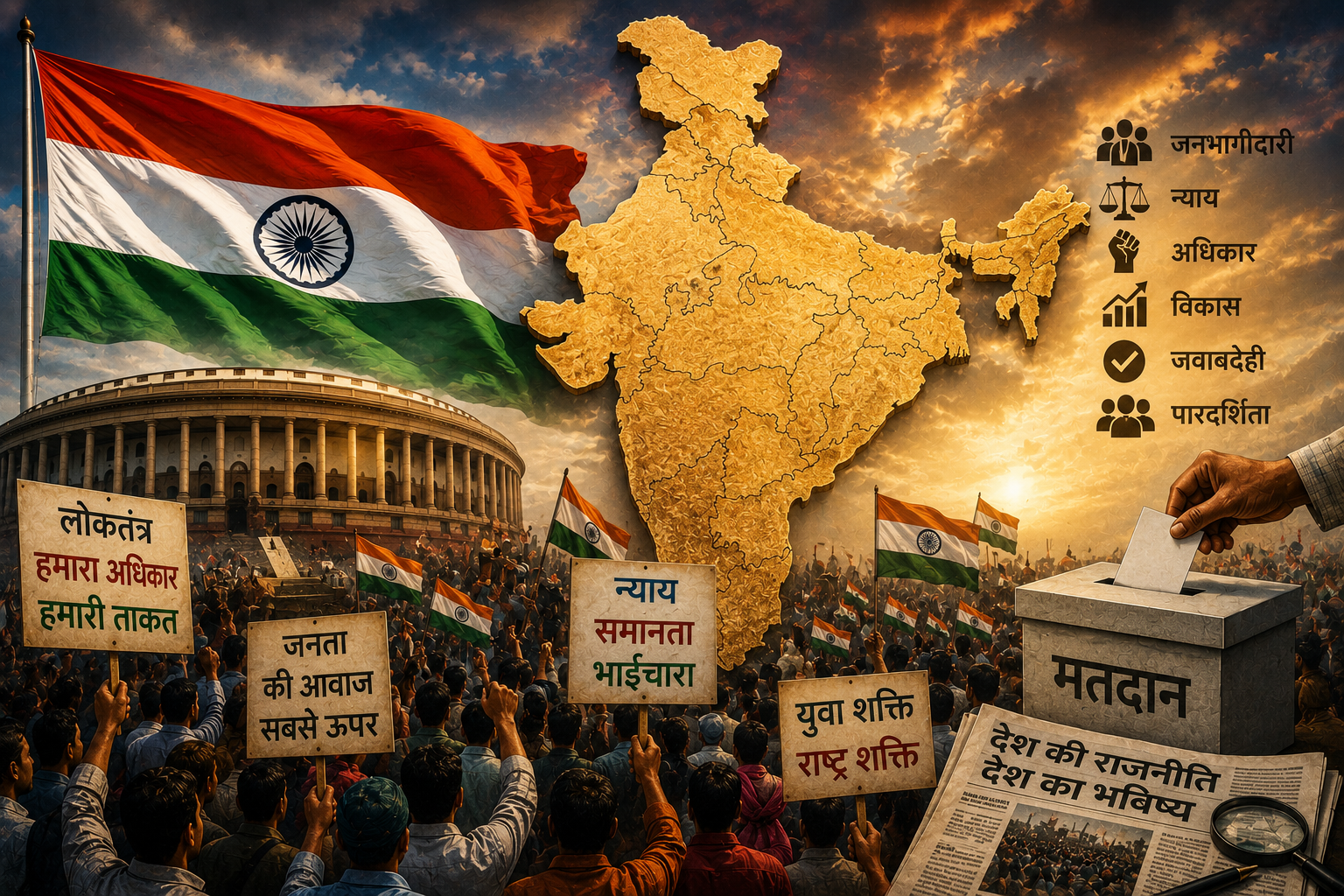
The ambitious 'One Nation One Election' (ONOE) project, a flagship legislative agenda of the central government, is moving toward a potential implementation timeline of 2029. According to the chairman of the Joint Parliamentary Committee (JPC) overseeing the proposal, the administrative and constitutional framework required to synchronize Lok Sabha and state assembly elections is currently being fast-tracked.
The Mechanics of the Reform
The proposed legislation aims to align the tenures of state legislatures with that of the national Parliament. Under the current structure, India follows a cycle of state elections that occur at various intervals throughout the five-year parliamentary term. Proponents of ONOE argue that this cycle leads to constant election mode, which hinders governance, distracts from long-term development, and places an enormous financial burden on the national exchequer.
By unifying these elections, the government hopes to create a structured electoral calendar. The plan involves adjusting the terms of state assemblies—either by shortening or extending them—so that their expiration dates coincide with the dissolution of the Lok Sabha.
Political Resistance and Federalism Concerns
However, the path to implementation is fraught with intense political opposition. Critics of the move argue that the synchronization of elections fundamentally undermines the federal structure of the Indian Constitution.
'The concerns are not merely technical,' noted a senior opposition leader during recent parliamentary debates. 'There is a genuine fear that this will marginalize regional political parties. When voters are asked to decide on national and local issues simultaneously, they are often swayed by national narratives, which effectively diminishes the importance of local regional grievances and state-specific governance.'
There have also been reports suggesting that even some allies within the ruling National Democratic Alliance (NDA) are harboring reservations about the move. Insiders suggest that smaller regional parties, which form part of the coalition, fear a 'wipeout' scenario. Their concern is that a unified national campaign could lead to a wave effect, where local leaders and regional issues are completely overshadowed by national campaign machinery and massive media spending by larger parties.
Constitutional Hurdles
Beyond political friction, the government faces significant legal and constitutional hurdles. Implementing ONOE would likely require amendments to several articles of the Constitution, including those related to the duration of state houses and the procedures for the dissolution of assemblies. Legal experts have pointed out that such changes might necessitate a two-thirds majority in Parliament and, in some cases, the ratification by half of the state legislatures.
Furthermore, the Election Commission of India has raised questions regarding logistics. Organizing the world's largest democratic exercise in a single window would require a massive increase in the deployment of security forces, voting machines, and polling personnel. The coordination required to hold elections across states with varying political climates and security concerns remains a complex logistical challenge that the JPC is currently reviewing.
As the 2029 horizon approaches, the debate between administrative efficiency and the preservation of India's robust, multi-layered democracy continues to intensify. While the government remains committed to the roadmap, the upcoming legislative sessions promise a heated confrontation over the future of the nation's electoral system.
How do you feel about this story?
Discussion
No comments yet. Be the first to share your thoughts.
Join the discussion
Sign in to share your thoughts on this story.