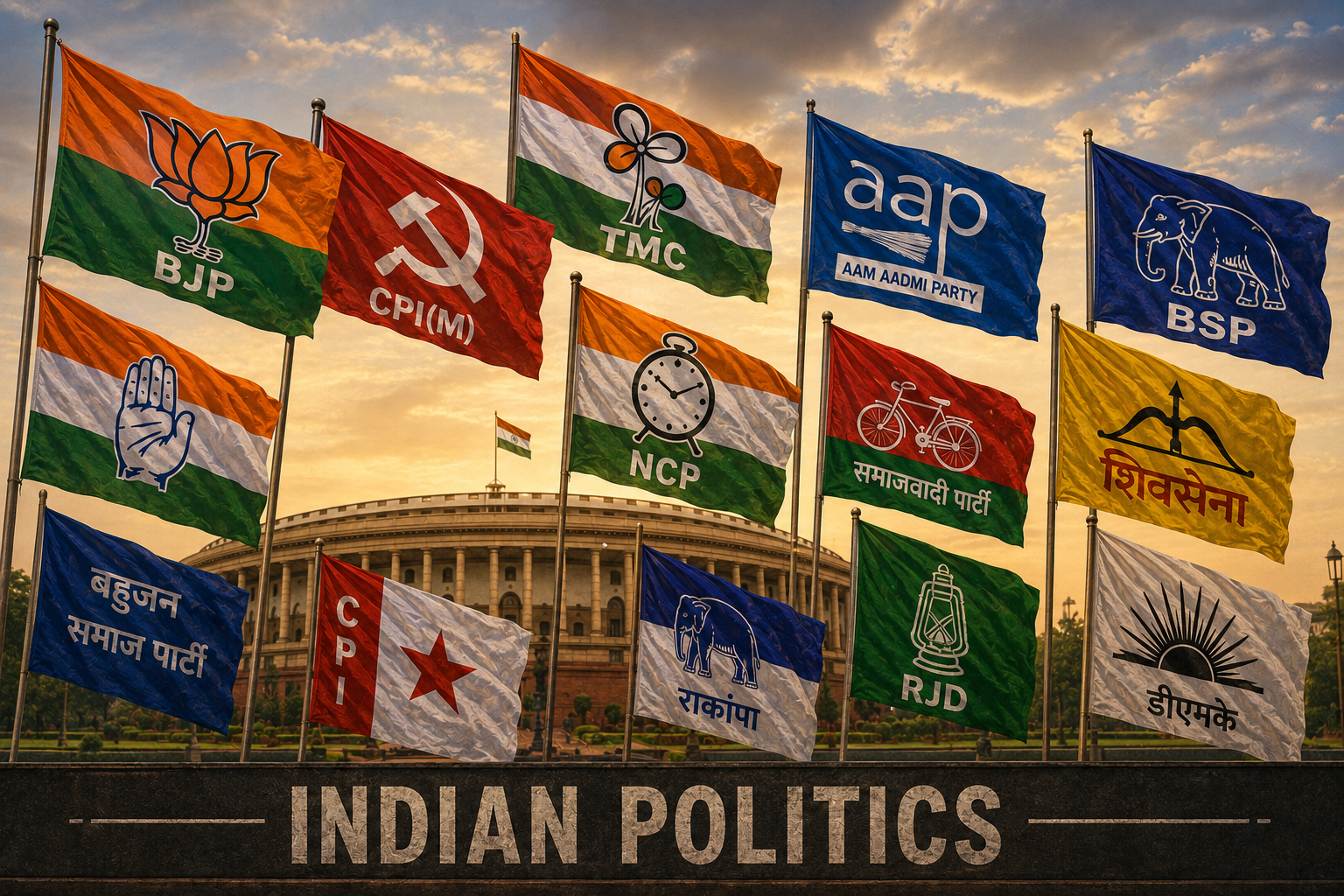
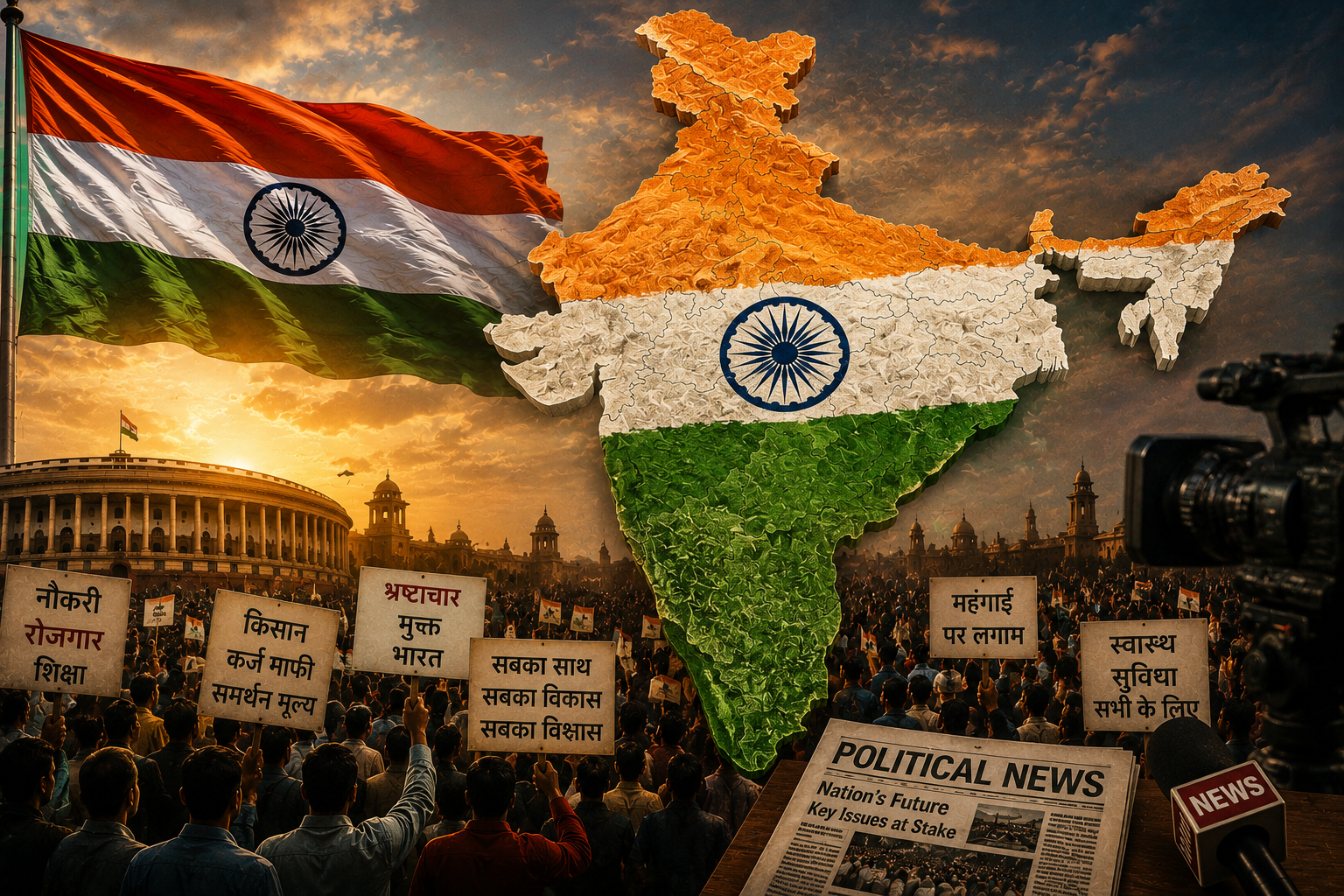
Image: Wikimedia
BNN Summary
India's ruling Bharatiya Janata Party is confronting a significant wave of dissatisfaction among its younger demographic, as economic pressures and stagnant job growth fuel a grassroots movement reminiscent of regional political shifts.
In-Depth Analysis
In recent months, a palpable sense of restlessness has emerged among the youth of India, creating a formidable political challenge for Prime Minister Narendra Modi and the Bharatiya Janata Party (BJP). For years, the party commanded the loyalty of young voters through a potent mix of nationalist fervor and promises of rapid economic development. However, the current landscape suggests that the 'Modi magic' is facing an erosion of support among those under the age of 30.
The Economic Undercurrent
At the core of this discontent lies the persistent crisis of unemployment. Despite government initiatives aimed at boosting manufacturing and entrepreneurship, the rate of job creation has failed to keep pace with the massive influx of graduates entering the labor market. Economists have long warned of a 'demographic dividend' that could turn into a 'demographic disaster' if the state fails to provide meaningful opportunities. For millions of young Indians, the reality of high living costs combined with stagnant wages has sparked widespread frustration.
The Rise of New Political Sentiments
Across various states, small but influential movements have begun to organize, often operating outside the traditional structures of mainstream political parties. The emergence of entities often humorously or derisively referred to as the 'Cockroach Janta Party' by critics or grassroots activists signifies a shift toward decentralized, issue-based agitation. This phenomenon mirrors historical political transformations in other South Asian nations, where student-led protests or youth-driven movements have acted as catalysts for broader structural change.
Changing Priorities for the Voter Base
Historically, the BJP maintained a stronghold by emphasizing cultural identity and national security. While these remain important for many, the younger generation is increasingly prioritizing tangible deliverables, such as:
- Quality public education infrastructure
- Transparency in government recruitment exams
- Sustainable urban planning and environmental protection
- Accessibility to affordable mental healthcare
These demands reflect a maturing electorate that is less swayed by rhetoric and more focused on the socio-economic mobility of their families. Analysts suggest that the party’s traditional reliance on polarizing social issues may be reaching a point of diminishing returns when confronted with the daily struggles of the youth.
The Future Outlook
As the political calendar inches closer to subsequent electoral cycles, the BJP finds itself at a crossroads. To maintain its dominance, the leadership must move beyond cultural politics and address the structural economic malaise that drives youth frustration. Failure to pivot toward a more employment-centric agenda could lead to a permanent realignment of the youth vote, a demographic that remains the most critical voting bloc in the nation. The ongoing revolt, while not yet a singular unified front, represents an early warning signal of a society that is no longer willing to wait for the future to arrive, but is instead actively demanding its immediate presence.
How do you feel about this story?
Discussion
No comments yet. Be the first to share your thoughts.
Join the discussion
Sign in to share your thoughts on this story.