Image: Wikipedia
BNN Summary
The Dankuni Municipality administration in West Bengal has collapsed after its Chairman and Vice-Chairman tendered their resignations. The move follows intense public demonstrations and allegations of corruption against local leadership.
In-Depth Analysis
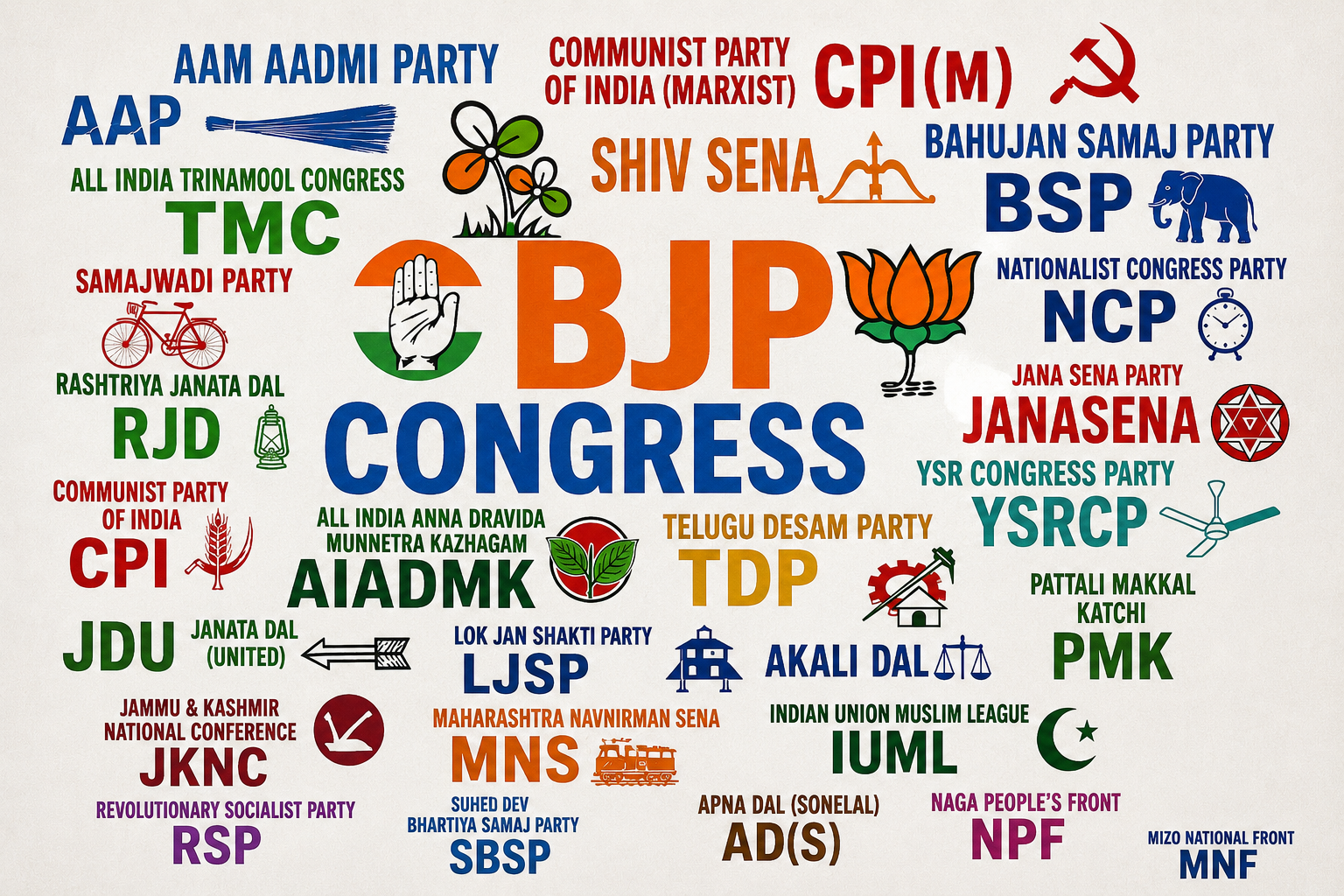
The political landscape in West Bengal faced a fresh challenge this week as the ruling Trinamool Congress (TMC) saw its administration in the Dankuni Municipality effectively collapse. The resignations of the Chairman and the Vice-Chairman have triggered a significant power vacuum, leaving the municipal body in a state of administrative paralysis. This development comes amid a wave of intense public unrest and growing resentment among local residents.
The Resignation Crisis
The crisis reached a tipping point when the top leadership of the Dankuni Municipality decided to step down from their respective positions. The resignations were reportedly submitted following persistent pressure from various stakeholders and a breakdown in internal party cohesion. Observers note that the departure of such high-ranking officials typically signals deep-seated issues within the local unit of the party, often involving factionalism or disagreements over resource allocation and administrative priorities.
Public Outcry and 'Chor' Chants
Beyond the internal politics of the TMC, the situation on the ground was marked by aggressive protests. As news of the resignations broke, large crowds of local residents gathered outside municipal offices. Witnesses reported that protesters chanted 'chor, chor'—a Bengali term meaning 'thief'—directed at the departing council members. This slogan has become a common refrain in recent West Bengal political discourse, reflecting widespread public anger regarding alleged corruption and the mismanagement of local civic funds.
The atmosphere turned volatile as citizens demanded accountability for stalled infrastructure projects and perceived negligence in municipal services. The public sentiment highlighted a growing disconnect between elected representatives and the electorate, as residents expressed frustration over the lack of transparency in the administration of the Dankuni region.
Ministerial Response
Senior leaders within the Trinamool Congress have attempted to mitigate the fallout. A West Bengal state minister openly criticized the absent councillors who failed to attend critical meetings during the lead-up to the collapse. The minister emphasized that the party would conduct a thorough investigation into the events that led to the resignations and would work to restore governance in the municipality as quickly as possible. Despite these assurances, the opposition parties have seized the opportunity to call for immediate elections, arguing that the TMC has lost the moral authority to govern the local body.
Implications for Local Governance
The collapse of the Dankuni board is not an isolated incident but rather a microcosm of the challenges facing urban local bodies across the state. As the municipality faces a period of uncertainty, essential services remain at risk of disruption. The coming days will be critical, as the district administration is expected to appoint an executive officer to oversee daily operations until a new board can be formed or fresh elections are mandated by the state government. For the residents of Dankuni, the focus remains on whether the transition will finally bring the accountability they have been demanding through their protests.
How do you feel about this story?
Discussion
No comments yet. Be the first to share your thoughts.
Join the discussion
Sign in to share your thoughts on this story.